Home/Capabilities
Capabilities

PREMSA IndustriesManufacturing Capabilities

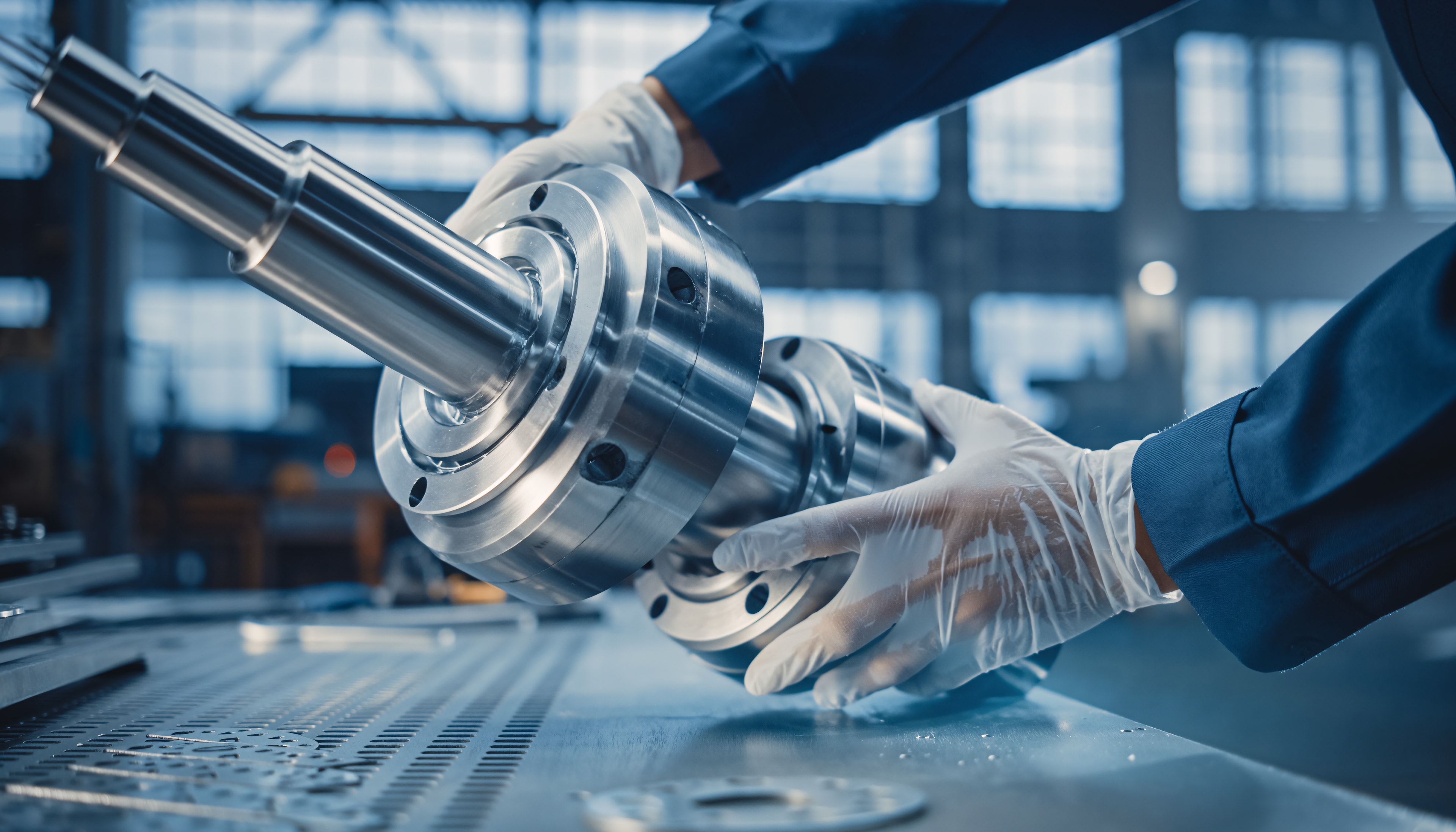
High-precision manufacturing across CNC machining, sheet metal fabrication, plastic production, and additive technologies — engineered for scalability and production reliability.

Advanced manufacturing capabilities including CNC machining, sheet metal fabrication, plastic part production, tube bending, and multi-material processes for industrial applications

Precision

Engineering-driven

Lead Time

Fast & predictable

Volumes

Proto → Production

CNC MACHINING

CNC Machining

View CNC Machining

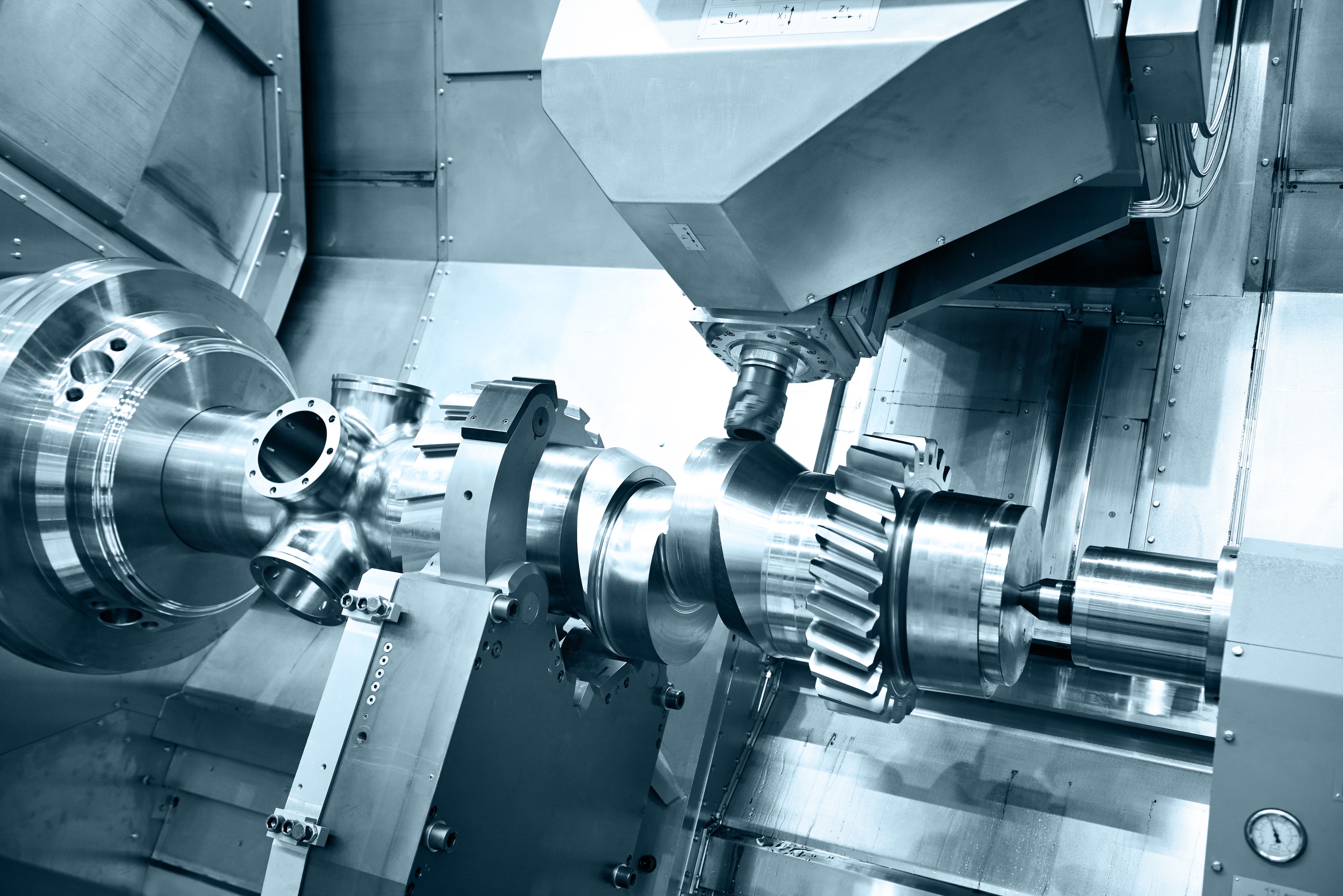
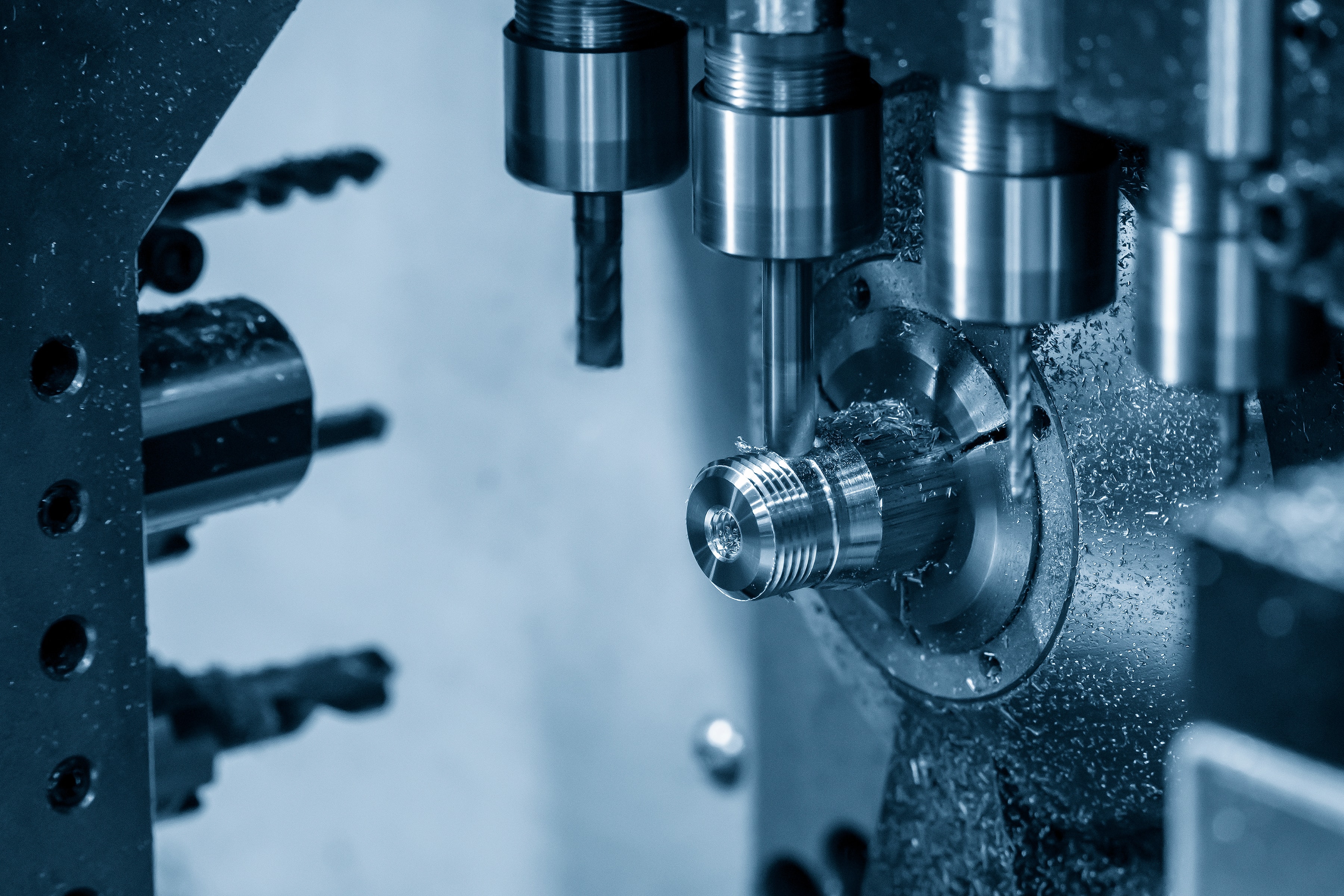
Comprehensive CNC machining services including milling, turning, mill-turn, Swiss-type machining, and precision drilling and threading. We manufacture high-accuracy metal and engineering plastic components for demanding industrial applications. Our processes are built around tight tolerances, repeatable setups, and controlled tooling strategies. From prototype validation to full production, we ensure consistent, production-ready quality.

Capability 01

CNC Machining

CNC Machining

Professional CNC machining services using 3, 4, and 5-axis milling and turning for high-precision metal and plastic components with tight tolerances.

Best for

Best when you need real-material functional parts, tight tolerances, and reliable repeatability—without hard tooling.
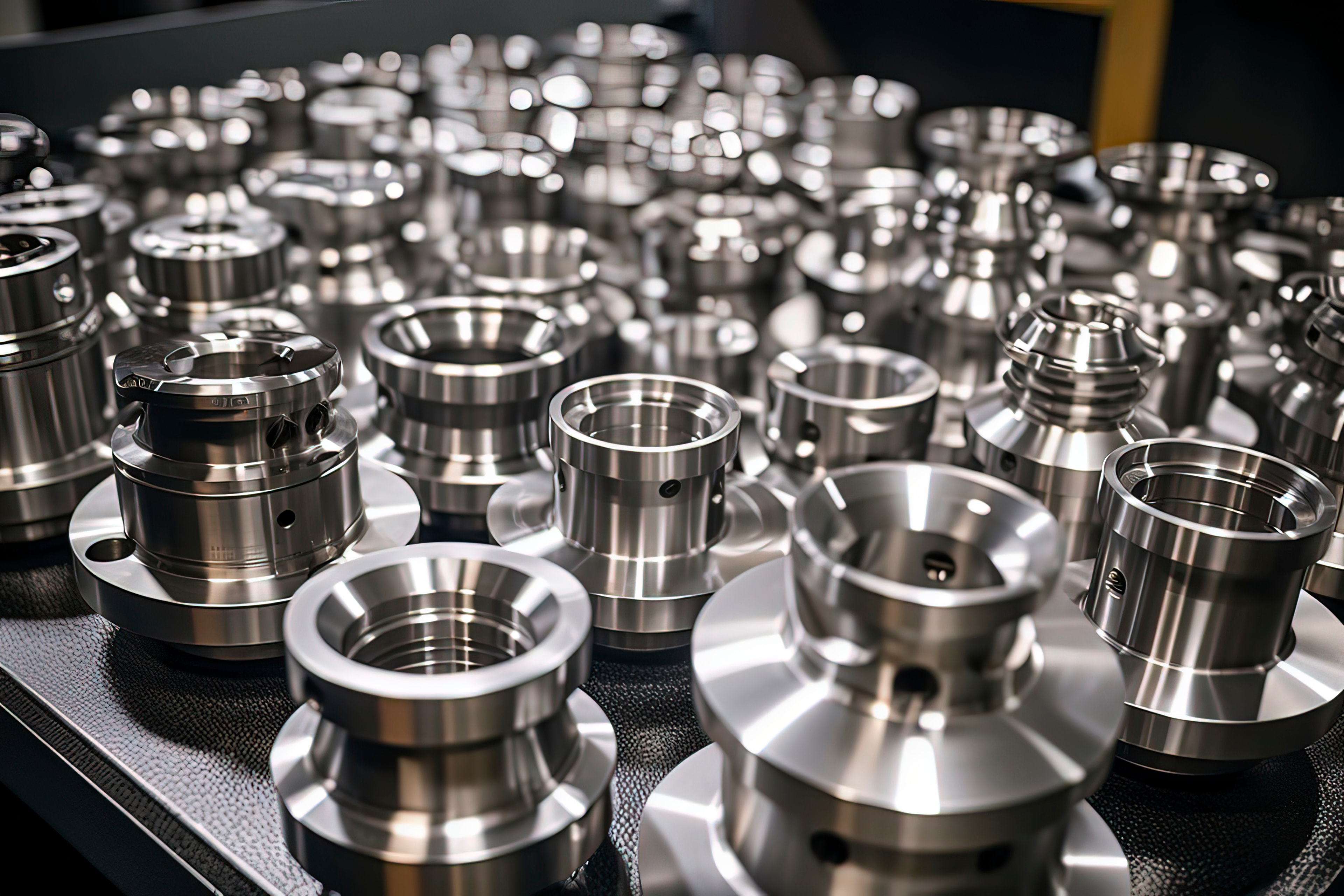
CNC machining process producing high-precision metal components with tight tolerances

Program fit

Prototype → Production

Visual preview

Key highlights

Works for prototypes and production runs

Excellent dimensional accuracy and feature control

Wide material selection (metals + engineering plastics)

View CNC Machining

Typical parts

Brackets, housings, fixtures, manifoldsPlates, mounts, precision componentsTooling, jigs, assembly interfaces
Capability 02

CNC Machining

CNC Milling

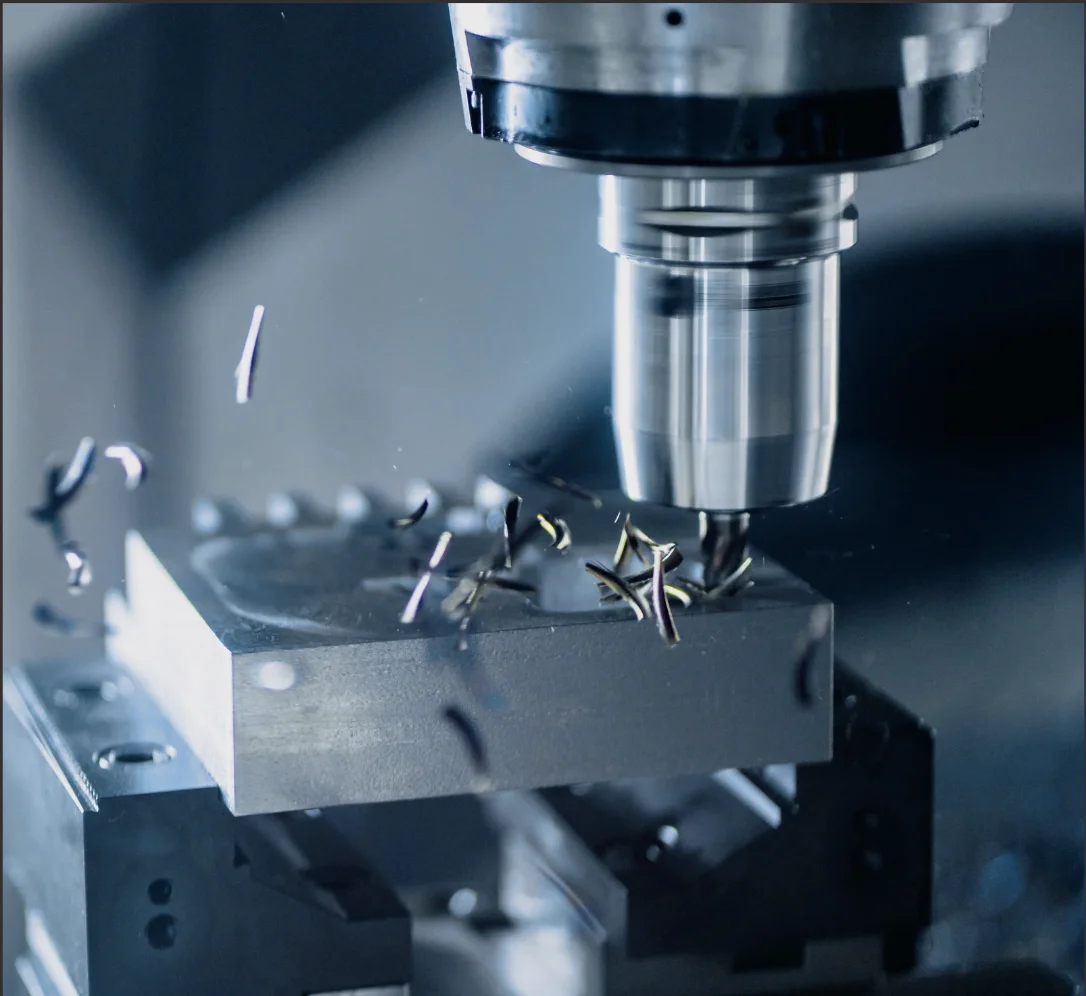
CNC milling uses rotating cutters to remove material and create prismatic geometry—pockets, slots, faces, and 3D contours—typically from plate or block stock.

Best for

Best for parts with flat faces, pockets, multi-side features, and complex geometry—especially with 3-, 4-, or 5-axis strategies.

High-precision CNC milling process producing tight-tolerance metal components with multi-axis machining

Program fit

Prototype → Production

Visual preview

Key highlights

Great for prismatic parts and multi-face machining

3-axis for cost efficiency; 5-axis to reduce setups

Strong control over flatness, position, and profiles

View CNC Milling

Typical parts

Housings, plates, frames, bracketsComplex machined fixtures and tooling platesMulti-face precision components

Capability 03

CNC Machining

CNC Turning

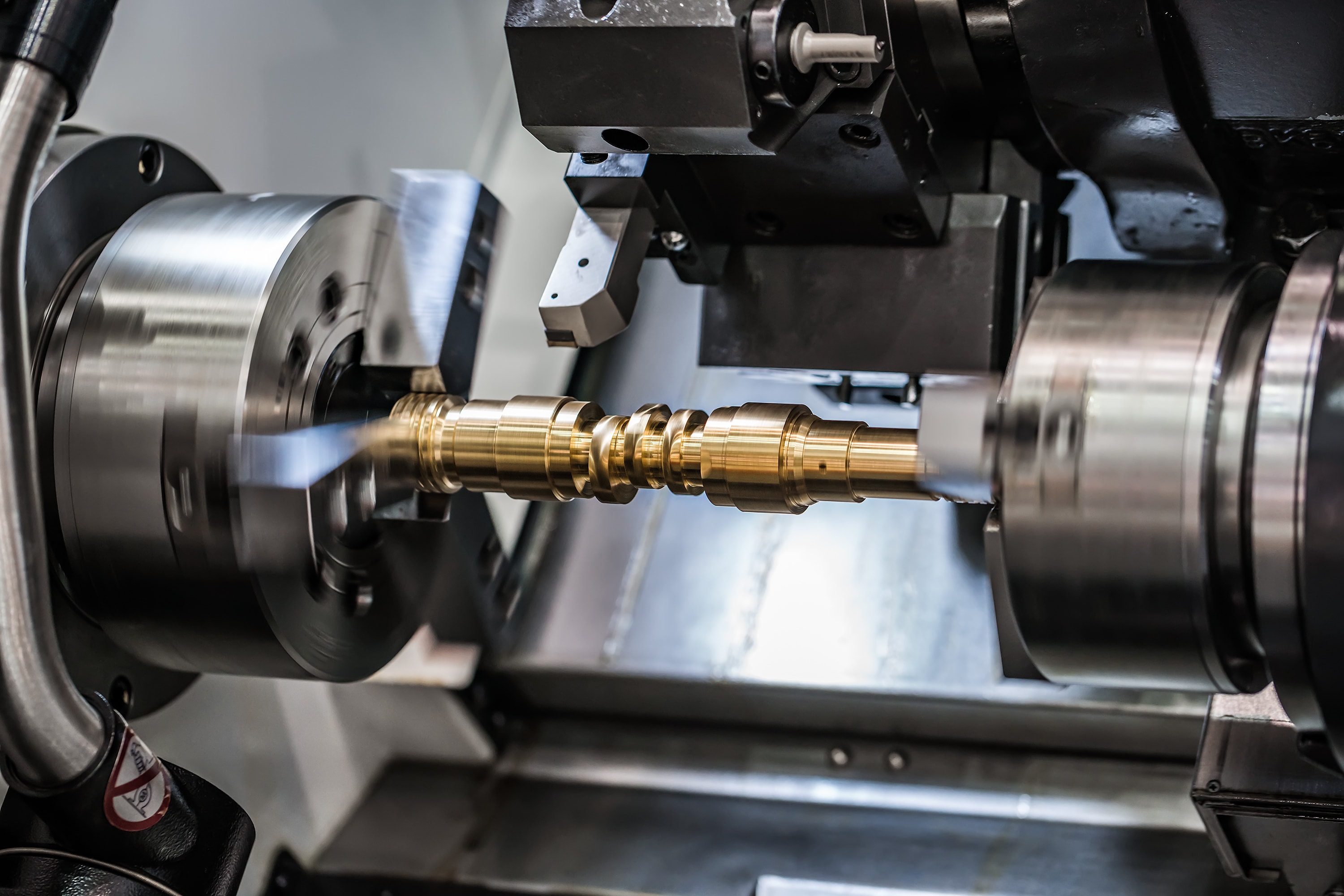
CNC turning forms parts by rotating material (usually bar stock) while stationary tools cut outer diameters, bores, grooves, threads, and tapers.

Best for

Best for round or cylindrical parts where concentricity, roundness, and smooth finishes matter.

CNC turning process machining precision cylindrical metal components with tight tolerances

Program fit

Prototype → Production

Visual preview

Key highlights

Ideal for shafts, bushings, spacers, and threaded parts

Efficient for medium/high quantities from bar stock

Strong control of concentricity and diameters

View CNC Turning

Typical parts

Shafts, pins, spacers, bushingsThreaded fittings, collars, sleevesRotating components and precision bores

Capability 04

CNC Machining

CNC Mill-Turn

Mill-turn combines turning and milling in one machine to produce parts that need both cylindrical features and milled features—flats, cross-holes, keyways, pockets—without multiple operations.

Best for

Best for complex parts that would otherwise need multiple setups, reducing handling, lead time, and tolerance stack-up.

CNC mill-turn machining process combining milling and turning operations in a single setup for precision metal components

Program fit

Prototype → Production

Visual preview

Key highlights

Fewer setups = better accuracy and faster throughput

Enables milled features on turned parts

Improves repeatability for complex geometry

View Mill-Turn

Typical parts

Precision connectors and housingsParts with flats + threads + cross-holesMulti-operation components requiring tight alignment

Capability 05

CNC Machining

Swiss-Type Machining

Swiss machining is high-precision turning for small-diameter parts, using a guide bushing that supports the work close to the cutting tool—minimizing deflection.

Best for

Best for small, slender, tight-tolerance components where straightness, concentricity, and surface quality are critical.

Swiss-type CNC machining producing high-precision small diameter components with tight tolerances

Program fit

Prototype → Production

Visual preview

Key highlights

Excellent for small diameters and long, thin parts

High repeatability in volume production

Supports intricate features on small components

View Swiss Machining

Typical parts

Pins, shafts, medical-style small componentsPrecision inserts, small fittings, fastener-like partsHigh-volume small turned components

Capability 06

CNC Machining

Drilling & Threading

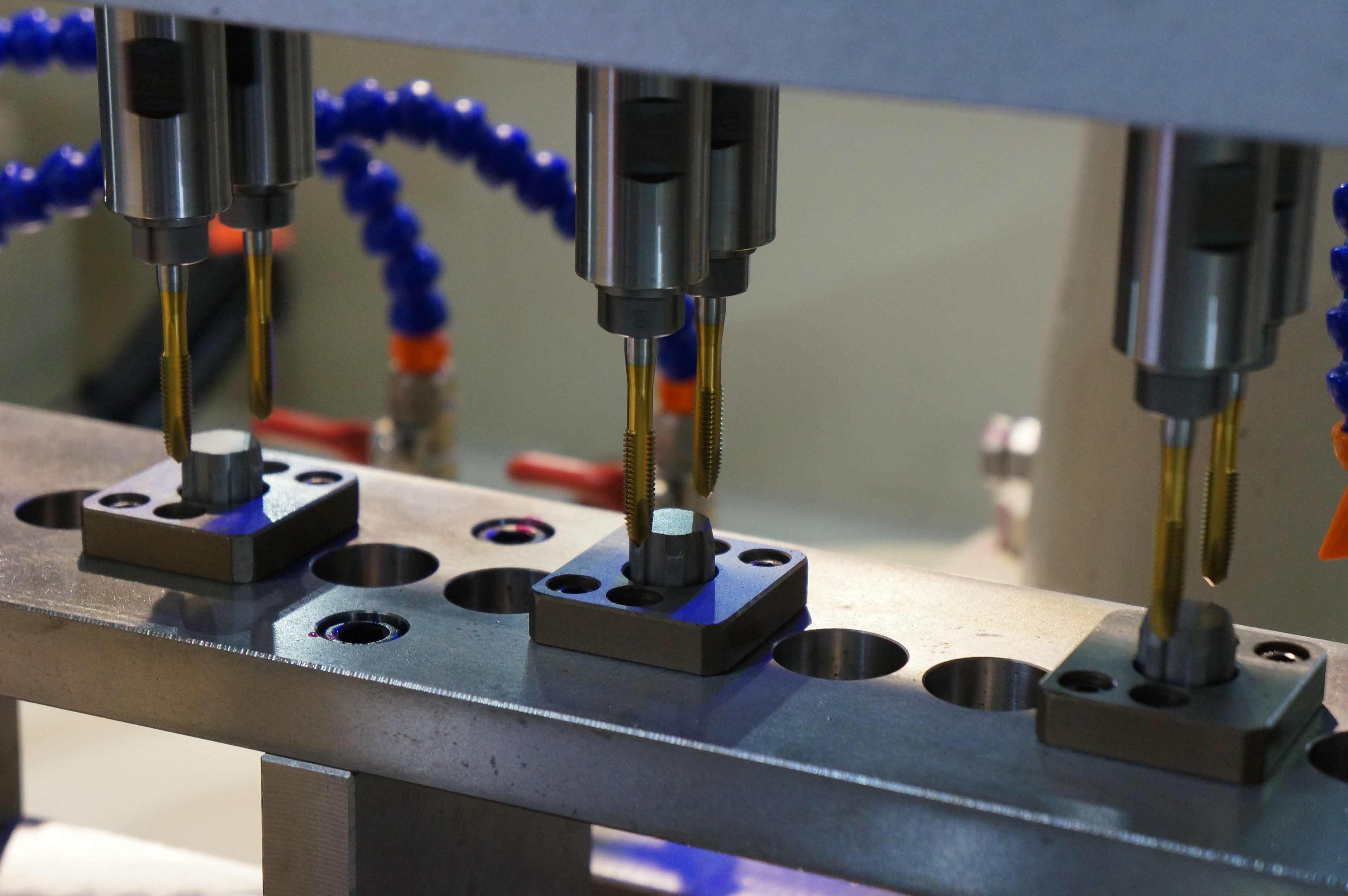
Precision holemaking and threading for production parts—drilling, reaming, boring, and threading with controlled parameters for size, position, and thread quality.

Best for

Best for parts where hole position, true position, and thread quality are CTQs—especially in assemblies, sealing interfaces, and alignment features.

CNC drilling and threading process producing precision holes and tapped features in metal components

Program fit

Prototype → Production

Visual preview

Key highlights

Method selection: drill vs ream vs bore based on tolerance/finish

Thread strategy: tap vs thread mill based on material, depth, and quality

Defined burr control to protect seats and assembly surfaces

View Drilling & Threading

Typical parts

Manifolds, valve bodies, plates with hole patternsThreaded brackets, fixtures, and assembly interfacesParts requiring dowel alignment or sealing features
SHEET METAL

Sheet Metal

View Sheet Metal

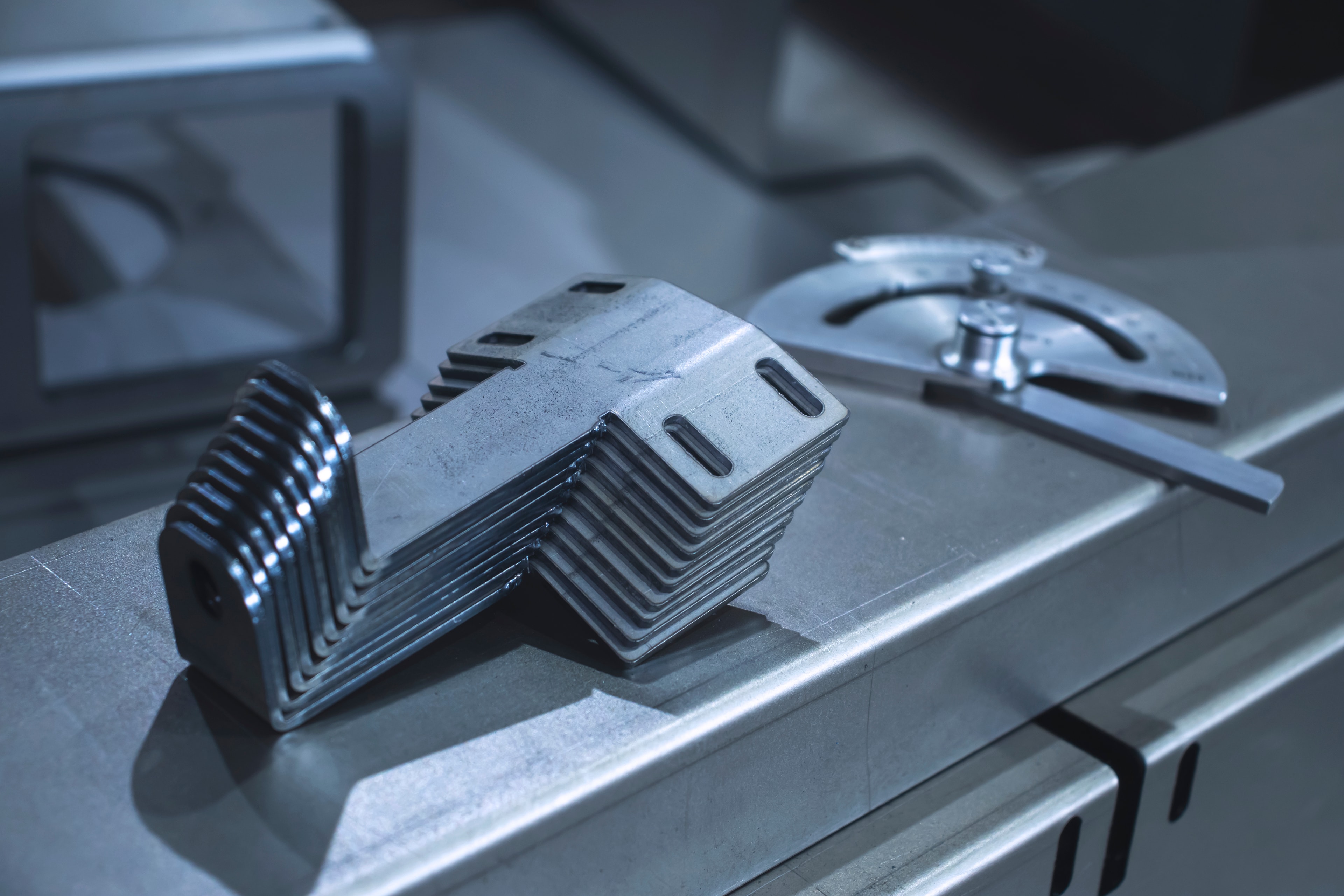
Sheet metal fabrication services including precision cutting, forming, tube processing, and metal stamping. We manufacture structural and enclosure components with controlled bend accuracy, dimensional consistency, and production-ready finishing. Our processes are optimized for repeatability, assembly fit, and scalable manufacturing. From prototypes to full production runs, we deliver reliable metal fabrication built for industrial performance.

Capability 01

Sheet Metal

Sheet Metal Fabrication

Sheet metal fabrication converts flat metal sheets into parts through cutting, bending, fastening, and welding—often as a complete assembly-ready product.

Best for

Best for brackets, panels, covers, and enclosures where cost, speed, and scalability matter.

Sheet metal fabrication process forming and assembling precision metal components

Program fit

Prototype → Production

Visual preview

Key highlights

Cost-effective for functional parts and assemblies

Fast lead times for prototypes and production

Pairs well with PEM hardware and welding

View Sheet Metal Fabrication

Typical parts

Enclosures, covers, chassis, panelsBrackets, guards, machine housingsFabricated frames and light structures

Capability 02

Sheet Metal

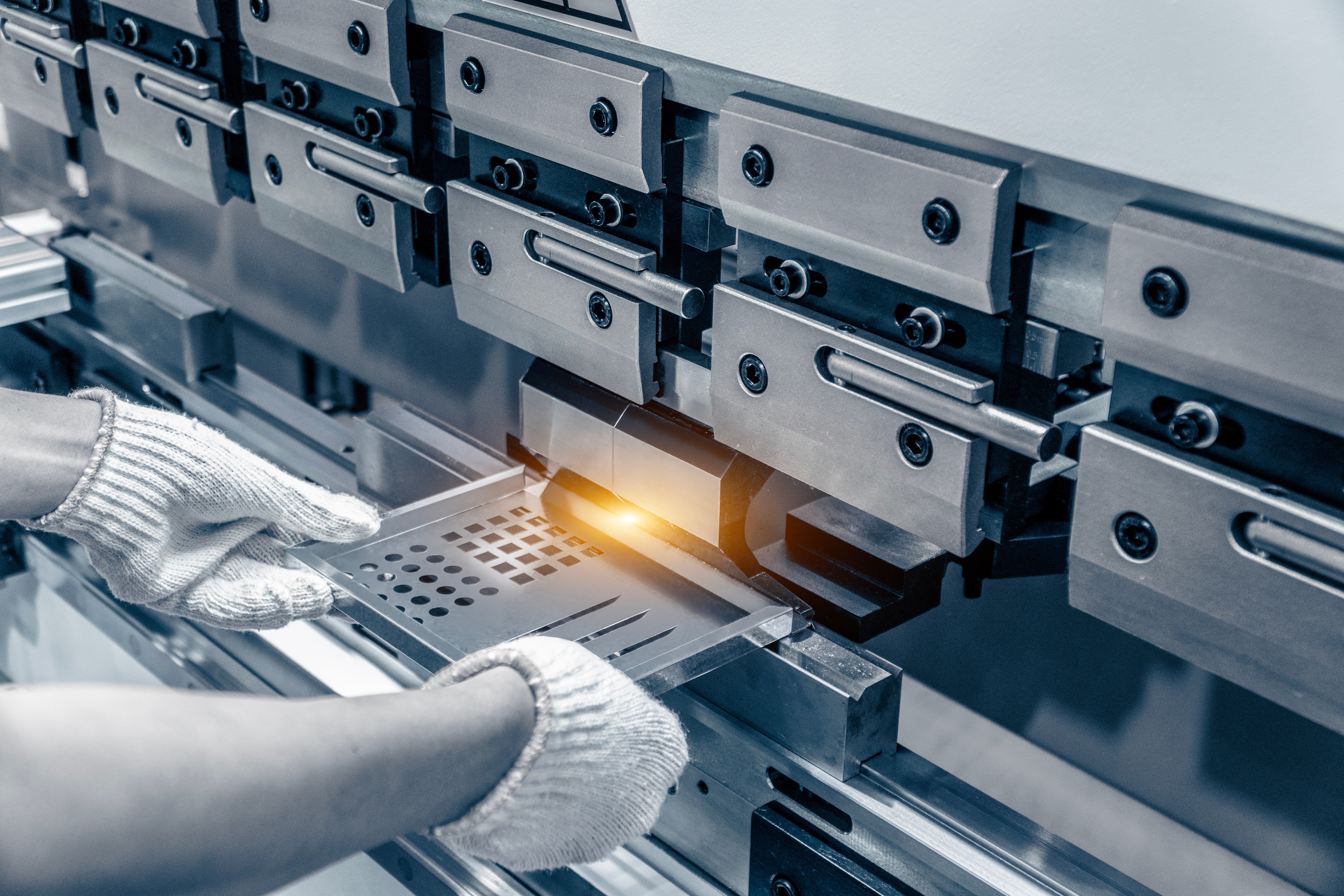
Sheet Bending

Bending forms sheet metal using press brakes to create angles, flanges, channels, and stiffening features with controlled bend radii and bend allowances.

Best for

Best when your design needs strong, lightweight geometry without machining from solid material.

Precision sheet bending process using press brake to form metal components

Program fit

Prototype → Production

Visual preview

Key highlights

Creates flanges and stiffness efficiently

Repeatable angles and bend locations

Often paired with laser cutting

View Sheet Bending

Typical parts

Brackets with flangesU-channels, trays, stiffenersPanels with formed edges

Capability 03

Sheet Metal

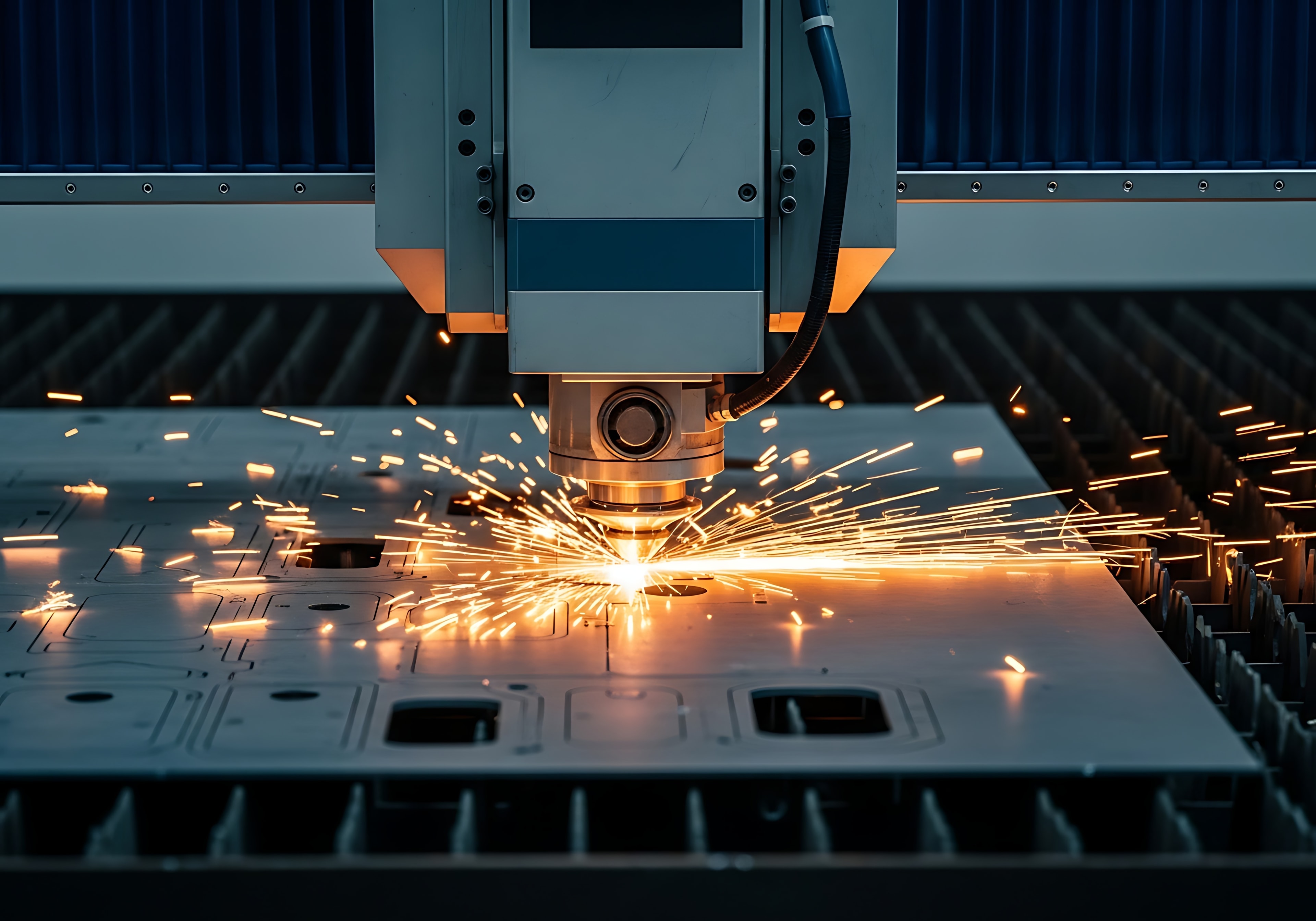
Sheet Cutting

Sheet cutting uses a focused beam to cut sheet metal profiles with high speed and precision—ideal for complex 2D shapes and hole patterns.

Best for

Best for flat parts, patterns, and blanks that will be bent or assembled.

Precision sheet cutting process producing flat metal components with tight tolerances

Program fit

Prototype → Production

Visual preview

Key highlights

Fast, accurate cutting with minimal tooling

Great for complex profiles and hole features

Scales well from prototype to production

View Sheet Cutting

Typical parts

Plates, brackets, gussetsPanels with cutouts and patternsBase blanks for bending and welding

Capability 04

Sheet Metal

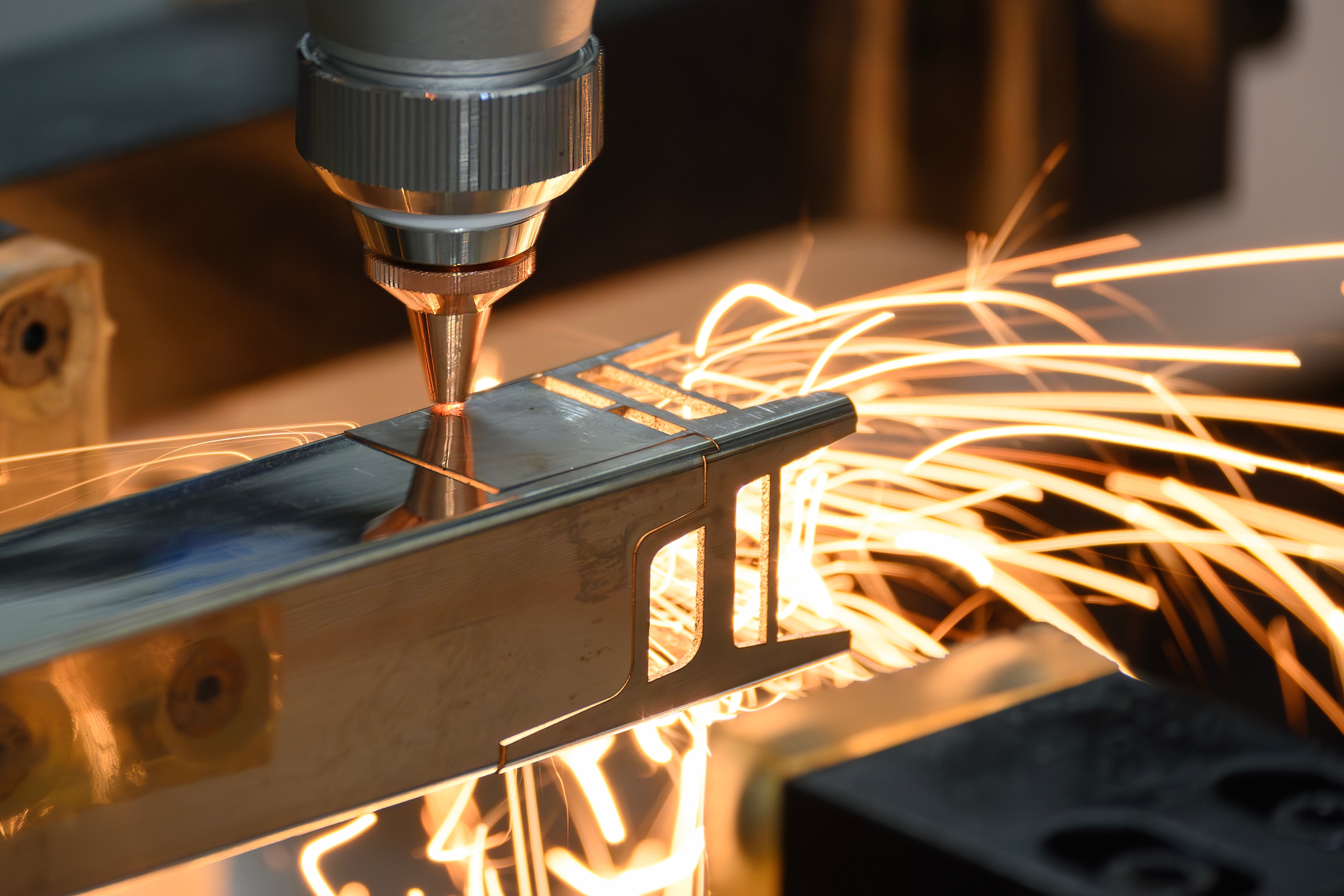
Tube Cutting

Tube cutting creates accurate tube profiles, miters, notches, and prep features for welded frames, handrails, and structural assemblies.

Best for

Best when you need consistent fit-up for welding and repeatable frame geometry.

Precision tube cutting process producing metal tubing components with clean edges

Program fit

Prototype → Production

Visual preview

Key highlights

Improves fit-up and weld consistency

Enables notches and joints cleanly

Reduces manual grinding and rework

View Tube Cutting

Typical parts

Tube frames and welded structuresBrackets and tube jointsAssembly-ready tube components

Capability 05

Sheet Metal

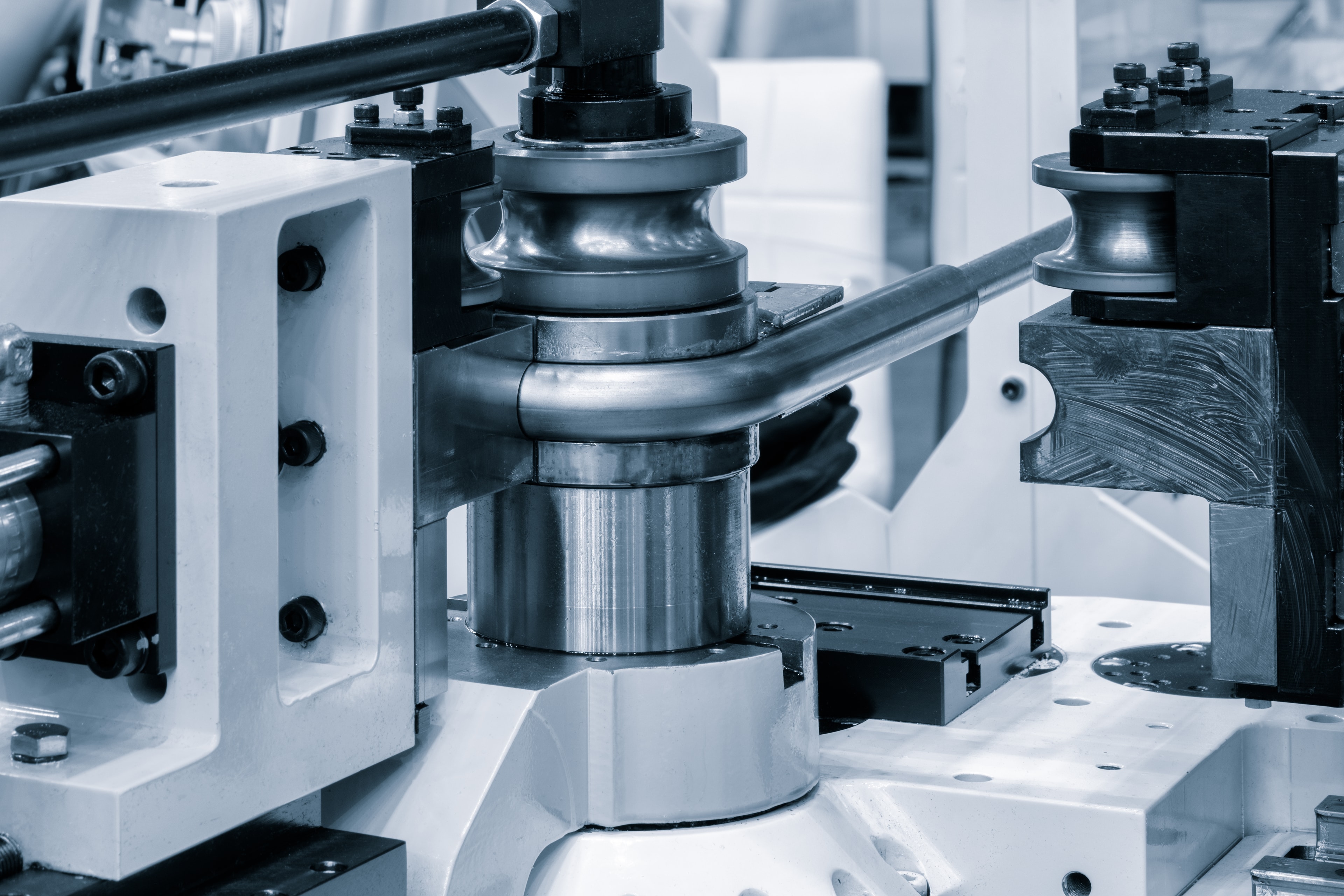
Tube Bending

Tube bending forms round/square tubing into curved geometry with controlled bend radius—used for frames, routing, and structural designs.

Best for

Best for designs that need smooth curves, compact routing, or ergonomic structures.

Precision tube bending process forming metal tubing with controlled radii and minimal deformation

Program fit

Prototype → Production

Visual preview

Key highlights

Creates strong curved geometry efficiently

Reduces welded joints vs. segmented builds

Common for frames and routed tube systems

View Tube Bending

Typical parts

Frames, supports, guardsHandles and handrail componentsTube routing structures

Capability 06

Sheet Metal

Metal Stamping

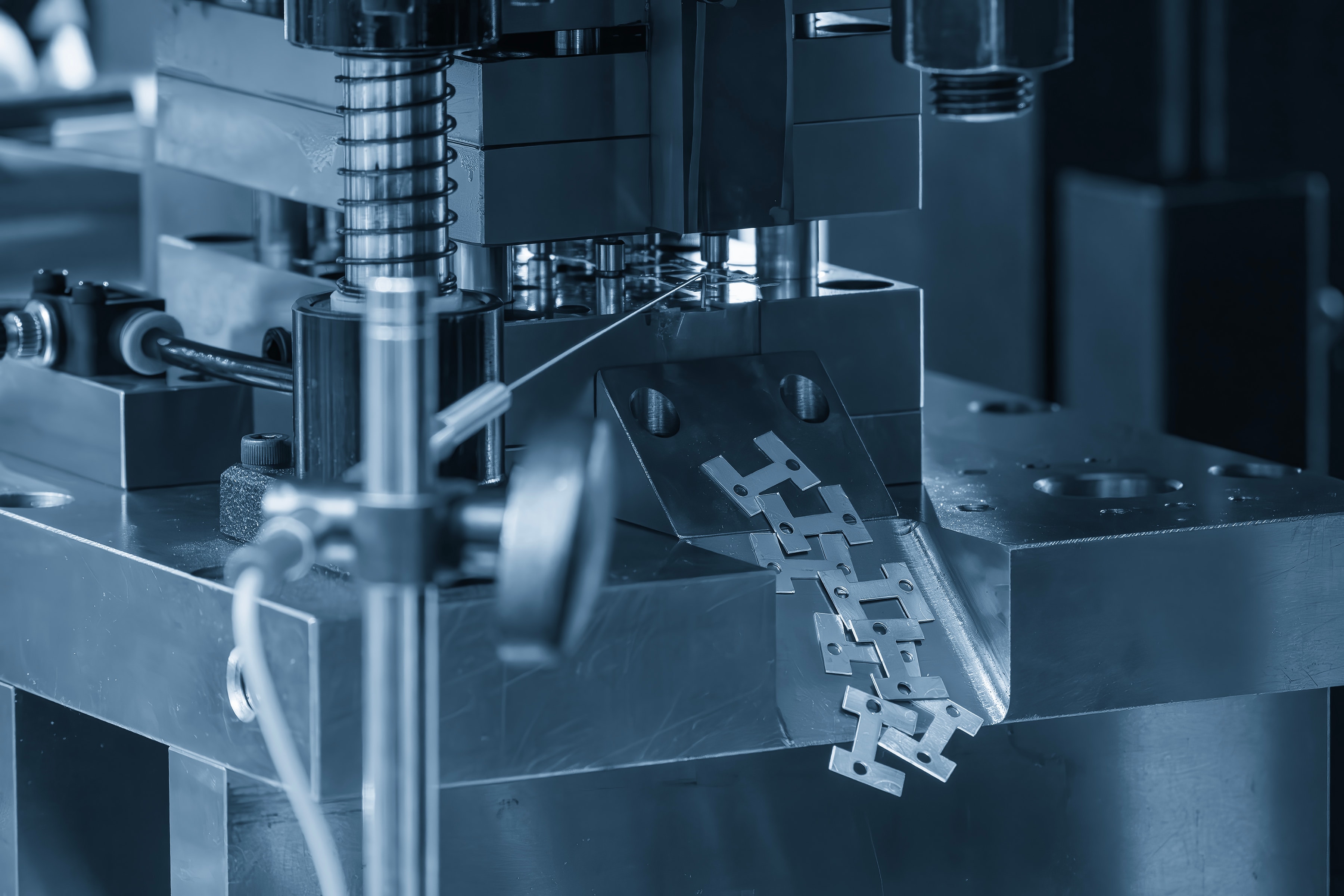
Metal stamping forms sheet metal using dies and presses for high-speed production of consistent shapes—often including pierce, form, and blank operations.

Best for

Best for high-volume parts where per-part cost must be very low and geometry is stable.

Precision metal stamping process forming custom metal components with progressive die tooling

Program fit

Prototype → Production

Visual preview

Key highlights

Excellent unit economics at volume

Highly repeatable formed geometry

Requires tooling (best for stable designs)

View Metal Stamping

Typical parts

Clips, brackets, retainersStamped covers and formed platesHigh-volume sheet components
PLASTIC PART PRODUCTION

Plastic Part Production

View Plastic Part Production

Plastic part production services including injection molding, overmolding, insert molding, and production tooling. We manufacture engineered plastic components with controlled process windows, dimensional stability, and repeatable lot consistency. Our programs focus on material selection, shrink control, and assembly performance. From prototype validation to high-volume production, we deliver reliable, production-ready plastic parts built for industrial applications.

Capability 01

Plastic Part Production

Plastic Injection Molding

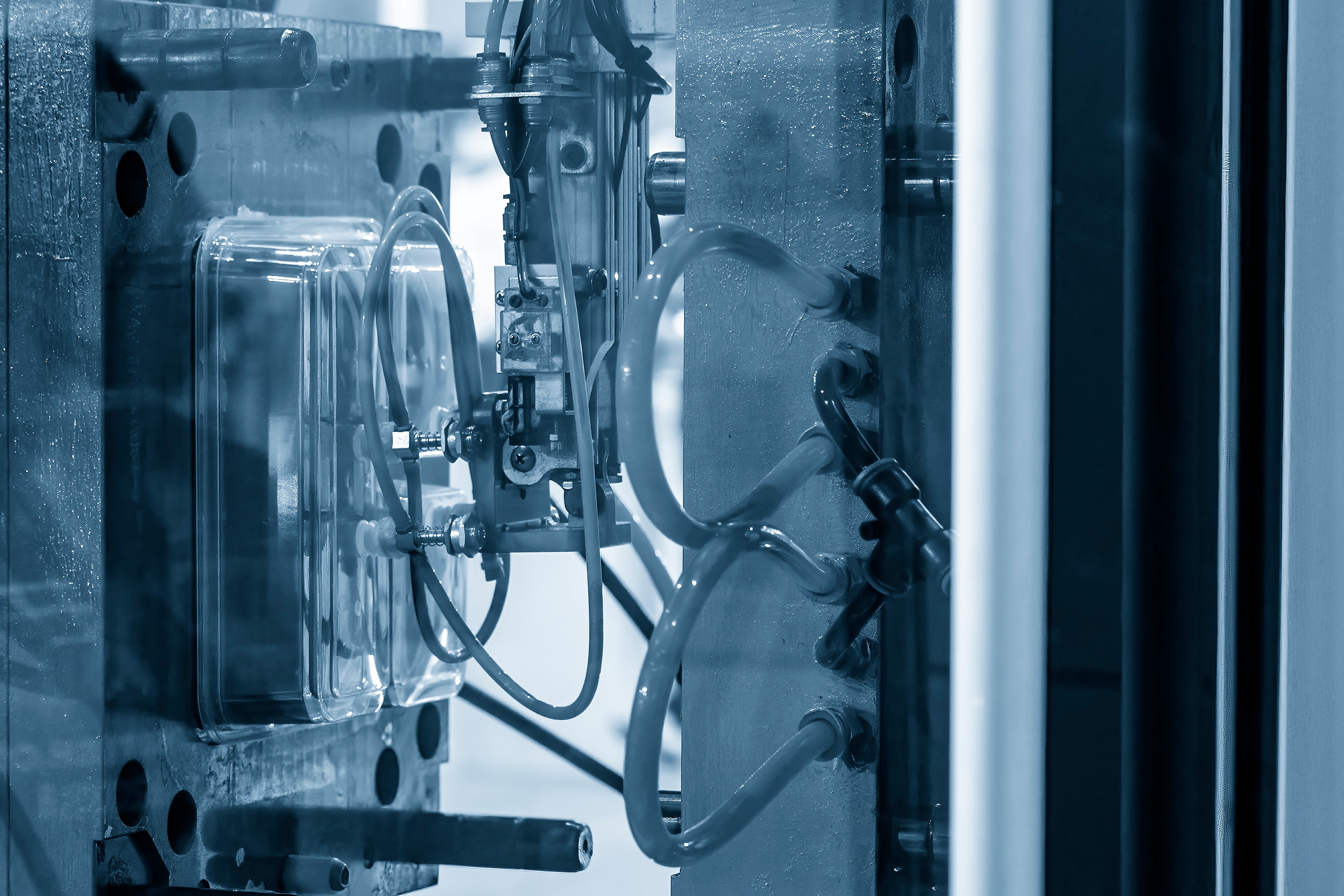
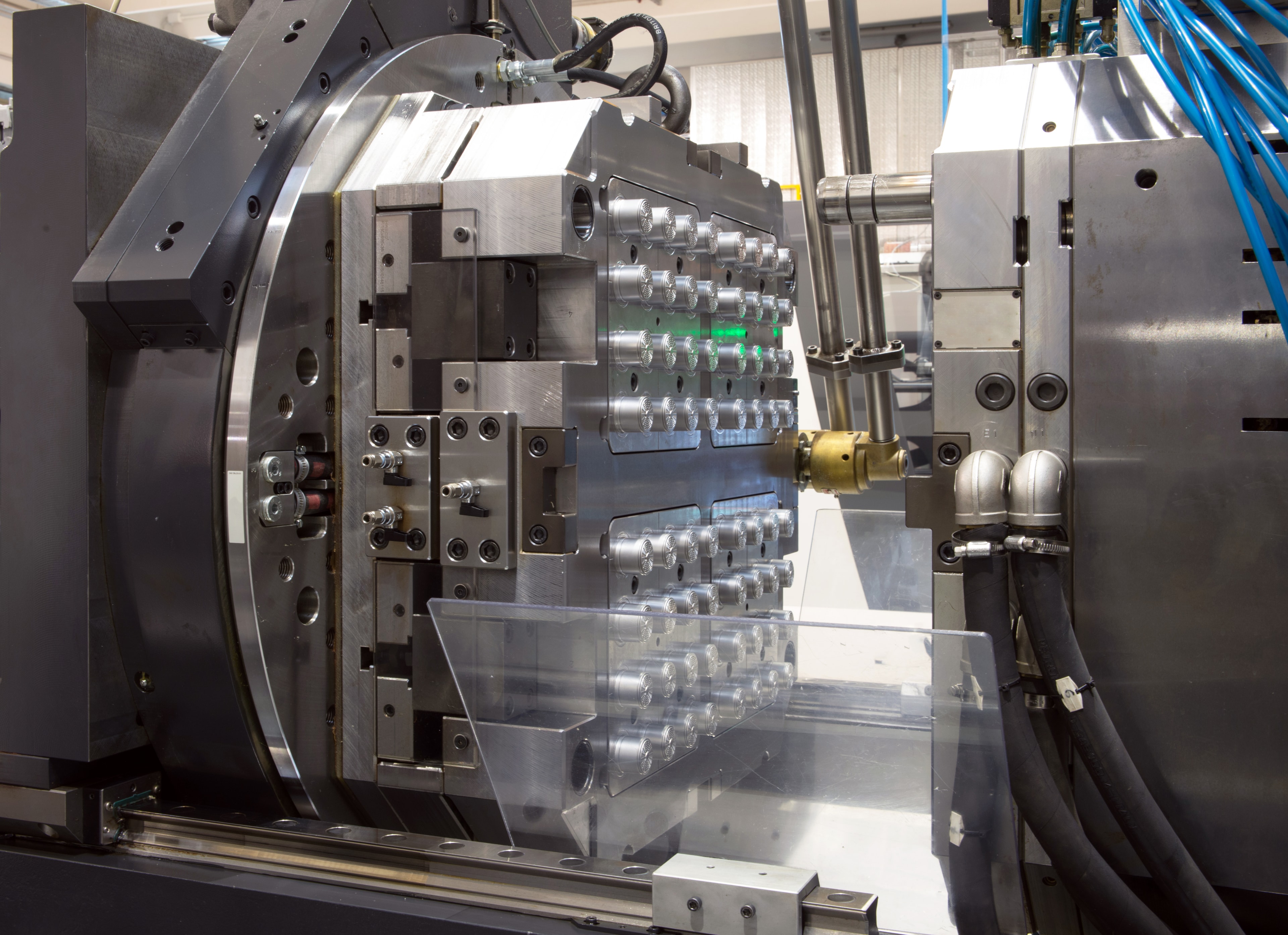
Injection molding produces plastic parts by injecting molten polymer into a mold cavity, then cooling to form highly repeatable geometry.

Best for

Best for scalable production of plastic parts requiring high repeatability, complex geometries, and professional-grade finishes.

Plastic injection molding process producing precision engineered components

Program fit

Prototype → Production

Visual preview

Key highlights

Lowest unit cost at volume

Excellent repeatability and cosmetics

Requires mold tooling investment

View Injection Molding

Typical parts

Housings, covers, caps, clipsConsumer-like plastic componentsFunctional molded parts for assemblies

Capability 02

Plastic Part Production

Prototype Molding

Prototype molding uses faster, lower-cost tooling approaches to validate fit, function, and design intent before full production molds.

Best for

Best when you need molding-like parts quickly to validate design before committing to production tooling.

Rapid prototype molding for engineering validation and first-article sampling

Program fit

Prototype → Production

Visual preview

Key highlights

Faster validation cycles

Lower tooling cost than production molds

Great bridge from prototype to production

View Prototype Molding

Typical parts

Early-stage housings and coversFit-check and assembly validation partsPilot run molded components

Capability 03

Plastic Part Production

Production Molding

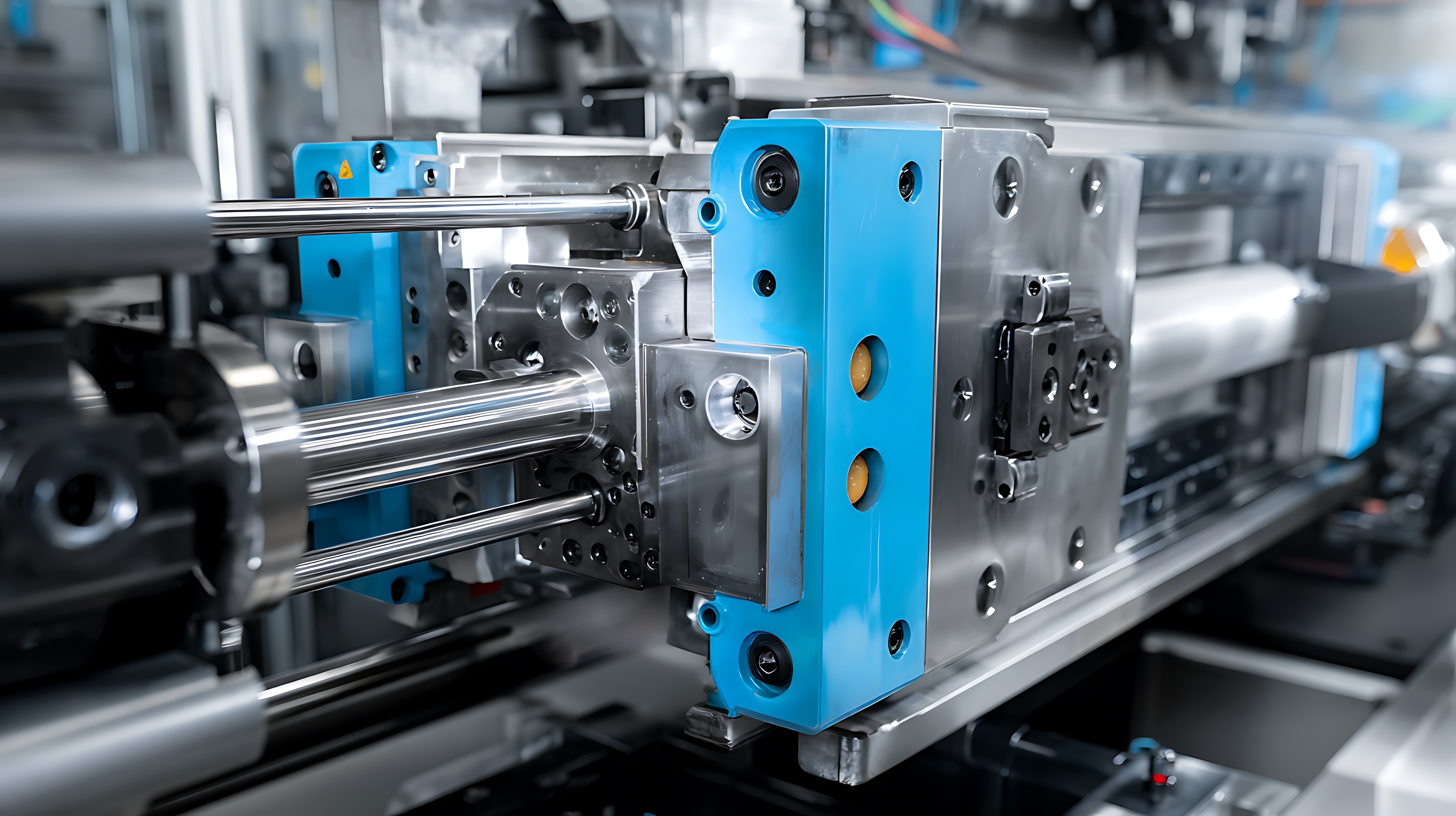
Production molding uses hardened tooling and optimized processing to manufacture plastic parts at scale with stable cycle time and consistent quality.

Best for

Best for repeat programs where quality, cost-per-part, and long-term consistency are critical.

Production injection molding process manufacturing high-volume precision plastic components

Program fit

Prototype → Production

Visual preview

Key highlights

Designed for long tool life

Stable cycle times and quality control

Best for recurring volume production

View Production Molding

Typical parts

High-volume plastic housingsRepeat molded components for productsCosmetic + functional production parts

Capability 04

Plastic Part Production

Overmolding

Overmolding molds a second material over a base part—commonly soft-touch elastomer over rigid plastic—to add grip, sealing, or vibration damping.

Best for

Best when your part needs tactile surfaces, sealing features, or multi-material performance in one part.

Overmolding capability — PREMSA Industries

Program fit

Prototype → Production

Visual preview

Key highlights

Combines materials in one component

Adds grip, sealing, insulation, or damping

Can reduce assembly steps

View Overmolding

Typical parts

Grip surfaces, seals, gasketsProtective overmolded housingsMulti-material functional parts

Capability 05

Plastic Part Production

Insert Molding

Insert molding embeds metal inserts (threads, bushings, contacts) into plastic during the molding process to create strong interfaces without secondary ops.

Best for

Best when you need strong threaded features, wear surfaces, or electrical contacts integrated into plastic parts.

Insert molding capability — PREMSA Industries

Program fit

Prototype → Production

Visual preview

Key highlights

Stronger threads than tapped plastic

Reduces secondary assembly operations

Improves reliability of interfaces

View Insert Molding

Typical parts

Threaded plastic housings with insertsElectromechanical plastic componentsParts needing wear-resistant interfaces
ADDITIVE MANUFACTURING

Additive Manufacturing

View Additive Manufacturing

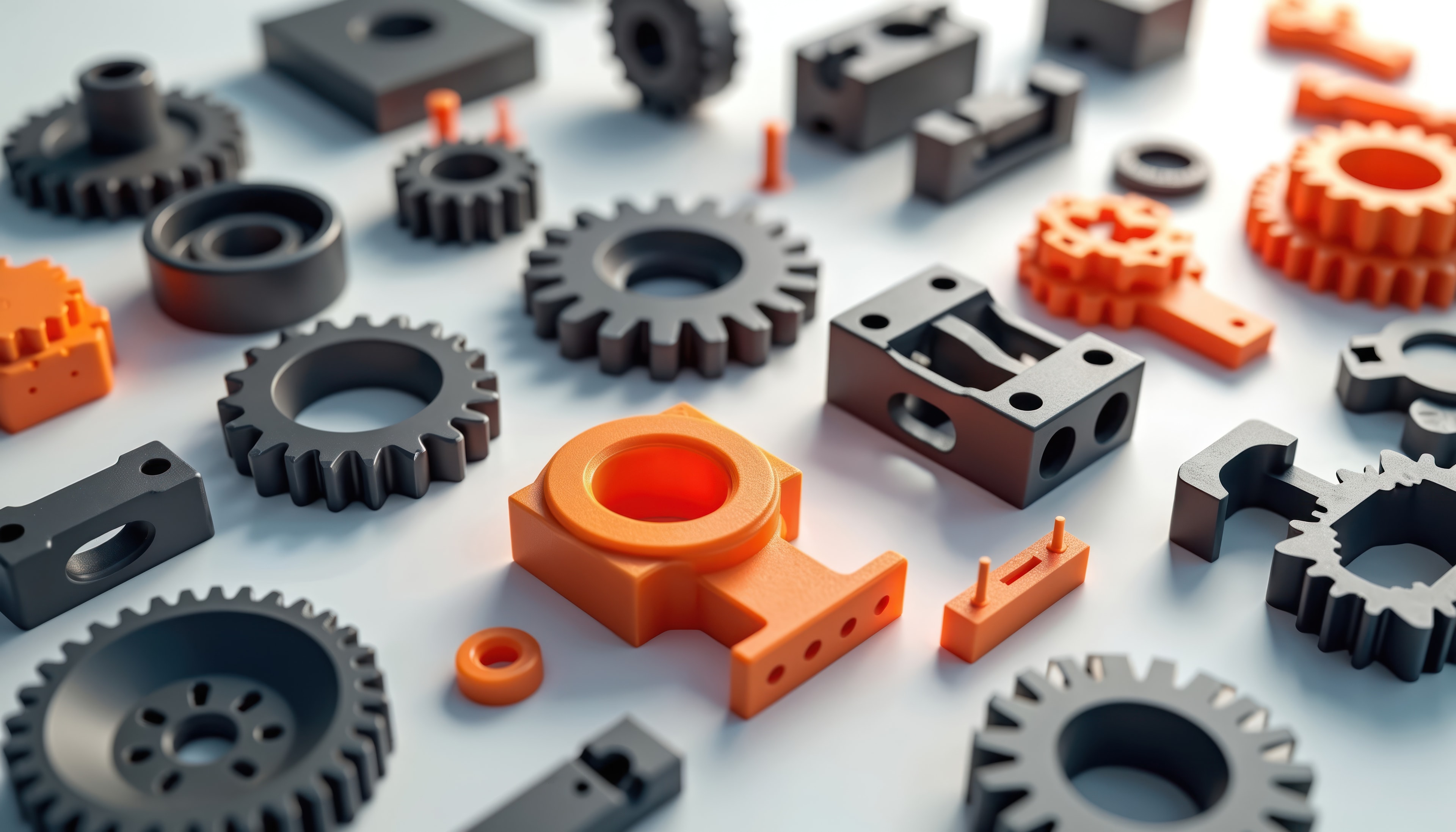
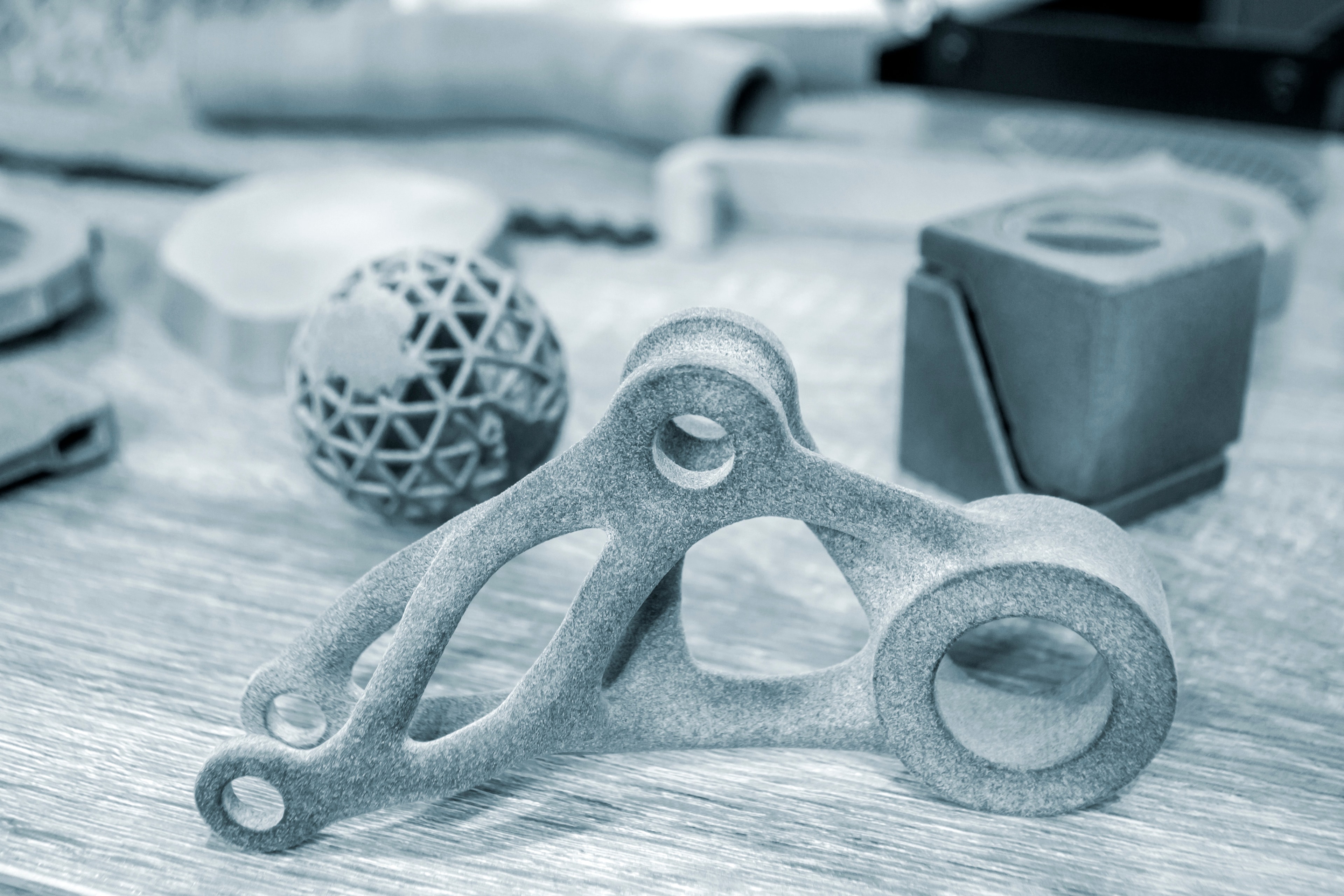
Additive manufacturing services including FDM, SLS/MJF, SLA/DLP, and metal 3D printing for engineered applications. We produce functional prototypes and low-volume production parts with optimized geometries and material performance. Our workflow integrates DfAM review, post-processing options, and dimensional inspection. From rapid validation to bridge manufacturing, we deliver production-ready additive solutions built for industrial use.

Capability 01

Additive Manufacturing

3D Printing Services

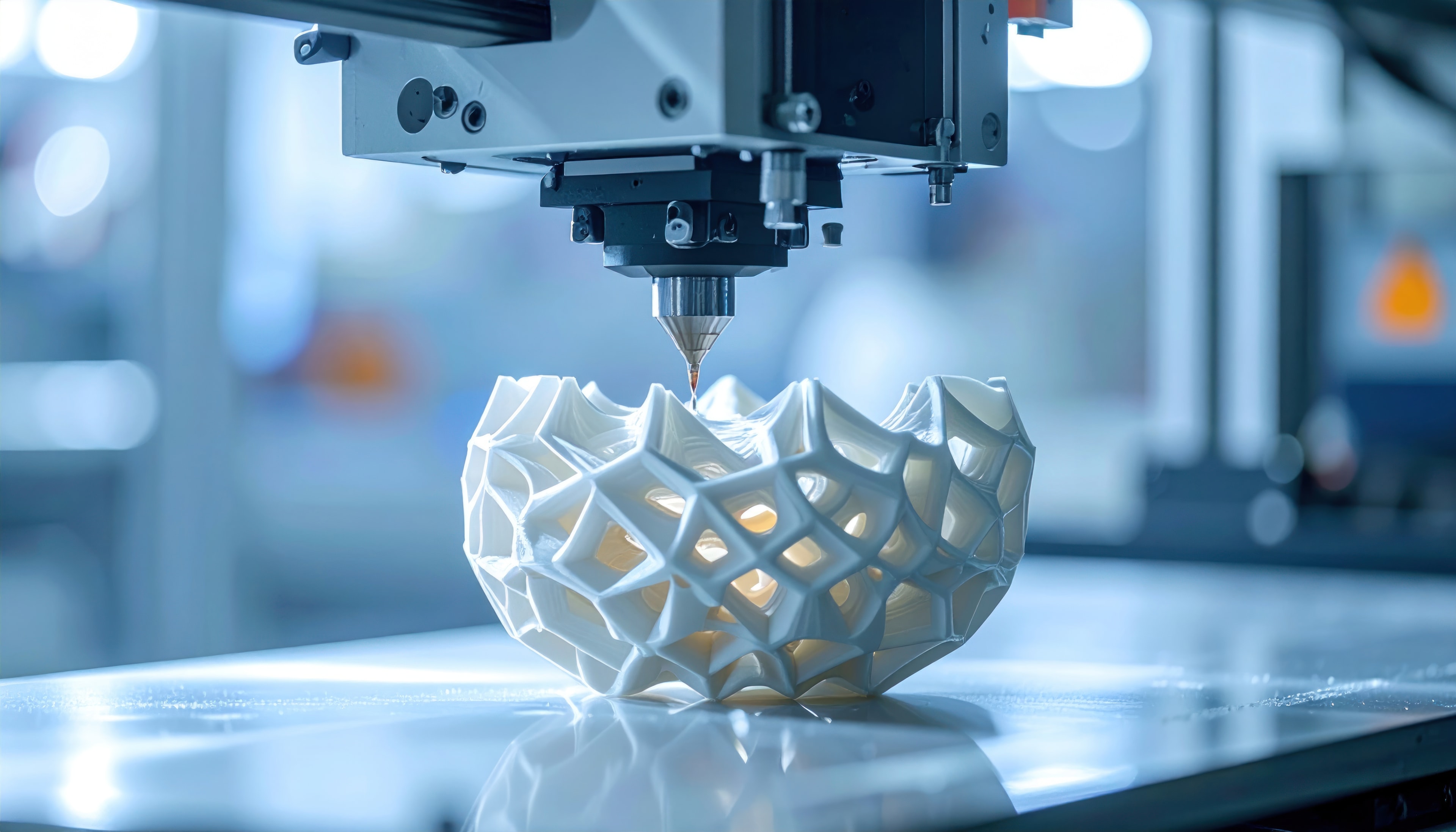
Production-ready 3D printing from CAD—optimized by process selection, build orientation, and post-processing to hit CTQs for fit, strength, and cosmetics.

Best for

Best for fast iteration, complex geometry, and bridge production where tooling isn’t justified.

Industrial 3D printing process producing precision plastic and metal components

Program fit

Prototype → Production

Visual preview

Key highlights

Process selection based on CTQs (strength, accuracy, surface, heat)

Build orientation + support strategy to protect functional surfaces

Post-processing options for finish and dimensional targets

View 3D Printing

Typical parts

Prototype housings and bracketsComplex internal channels and lightweight structuresShort-run end-use polymer components

Capability 02

Additive Manufacturing

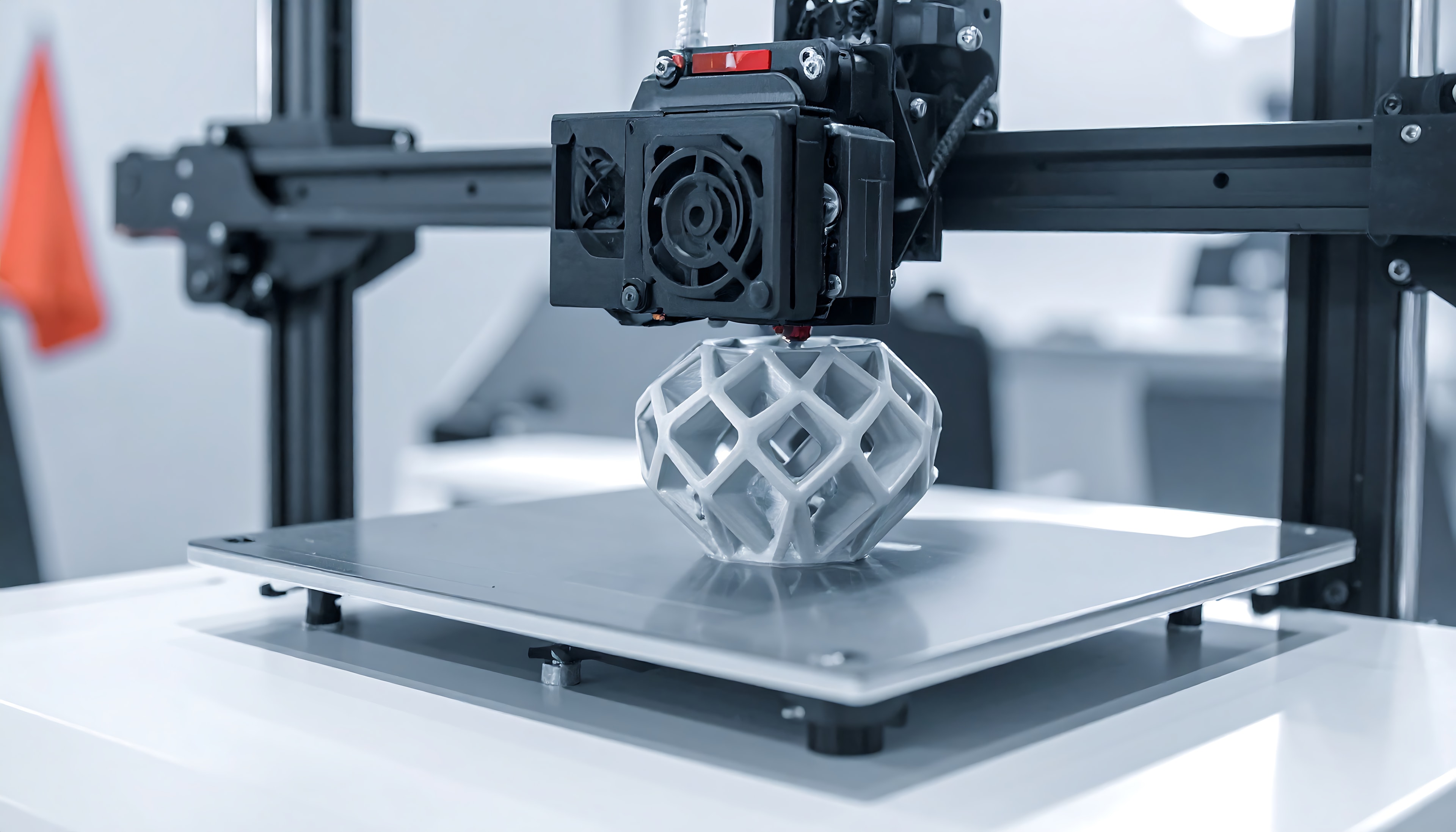
Fused Deposition Modeling (FDM)

FDM builds parts by extruding thermoplastic filament. Durable and cost-effective for fixtures, jigs, and functional prototypes where cosmetics are secondary.

Best for

Best for functional prototypes, fixtures, and larger parts where cost and toughness matter.

Fused Deposition Modeling (FDM) 3D printing process producing functional thermoplastic components

Program fit

Prototype → Production

Visual preview

Key highlights

Strong functional parts for jigs/fixtures

Cost-effective for large prototypes

Multiple engineering thermoplastics available

View FDM

Typical parts

Jigs, fixtures, gaugesFunctional prototype componentsCovers and brackets (non-cosmetic)

Capability 03

Additive Manufacturing

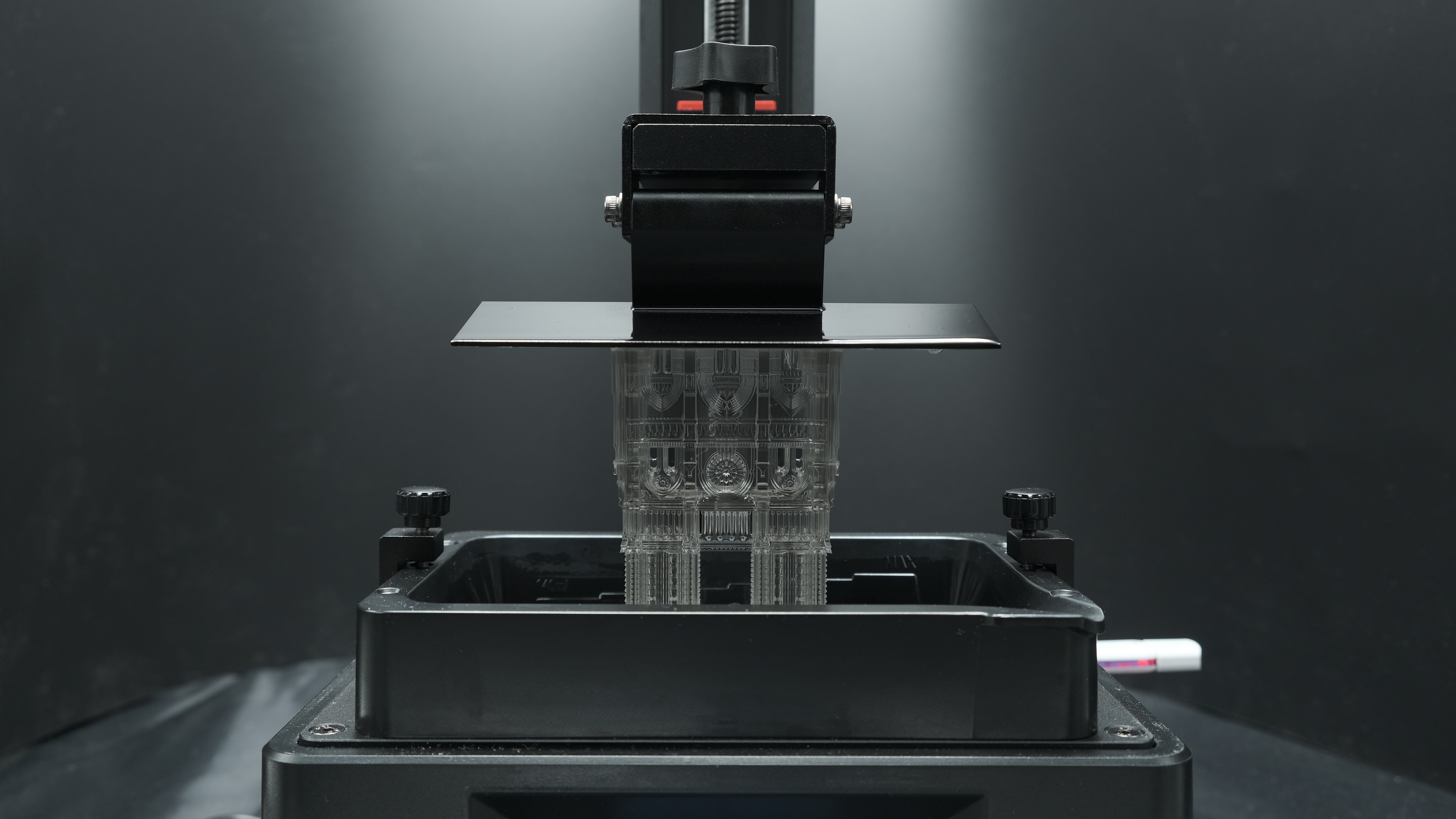
Stereolithography (SLA / DLP)

SLA/DLP uses photopolymer resins to produce high-detail parts with smooth surfaces—ideal for cosmetic prototypes and fine features.

Best for

Best for high-detail cosmetic prototypes, small features, and presentation-quality parts.

Stereolithography (SLA / DLP) 3D printing process producing high-detail resin components

Program fit

Prototype → Production

Visual preview

Key highlights

Excellent surface finish and detail

Great for cosmetic prototypes

Fine features and sharp edges

View SLA / DLP

Typical parts

Cosmetic enclosures and coversSmall complex prototype geometryPresentation models and fit-checks

Capability 04

Additive Manufacturing

Selective Laser Sintering (SLS)

SLS fuses polymer powder to create strong, functional parts without support structures—excellent for complex geometries and durable nylon components.

Best for

Best for functional polymer parts with complex geometry and good mechanical performance.

Selective Laser Sintering (SLS) 3D printing process producing durable nylon components

Program fit

Prototype → Production

Visual preview

Key highlights

No support structures (great for complex parts)

Strong nylon parts for functional use

Good repeatability for bridge production

View SLS

Typical parts

Functional housings and coversDucts, clips, brackets, lattice partsLow-volume end-use nylon components

Capability 05

Additive Manufacturing

Multi Jet Fusion (MJF)

MJF produces consistent nylon parts with strong mechanical properties and great batch repeatability—well-suited for production-style polymer printing.

Best for

Best for repeat polymer production runs where consistency and throughput matter.

Multi Jet Fusion (MJF) 3D printing process producing high-precision nylon components

Program fit

Prototype → Production

Visual preview

Key highlights

Strong functional nylon parts

Excellent repeatability for production

Efficient batch production economics

View MJF

Typical parts

Production polymer componentsEnd-use brackets and mountsRepeat builds with stable CTQs

Capability 06

Additive Manufacturing

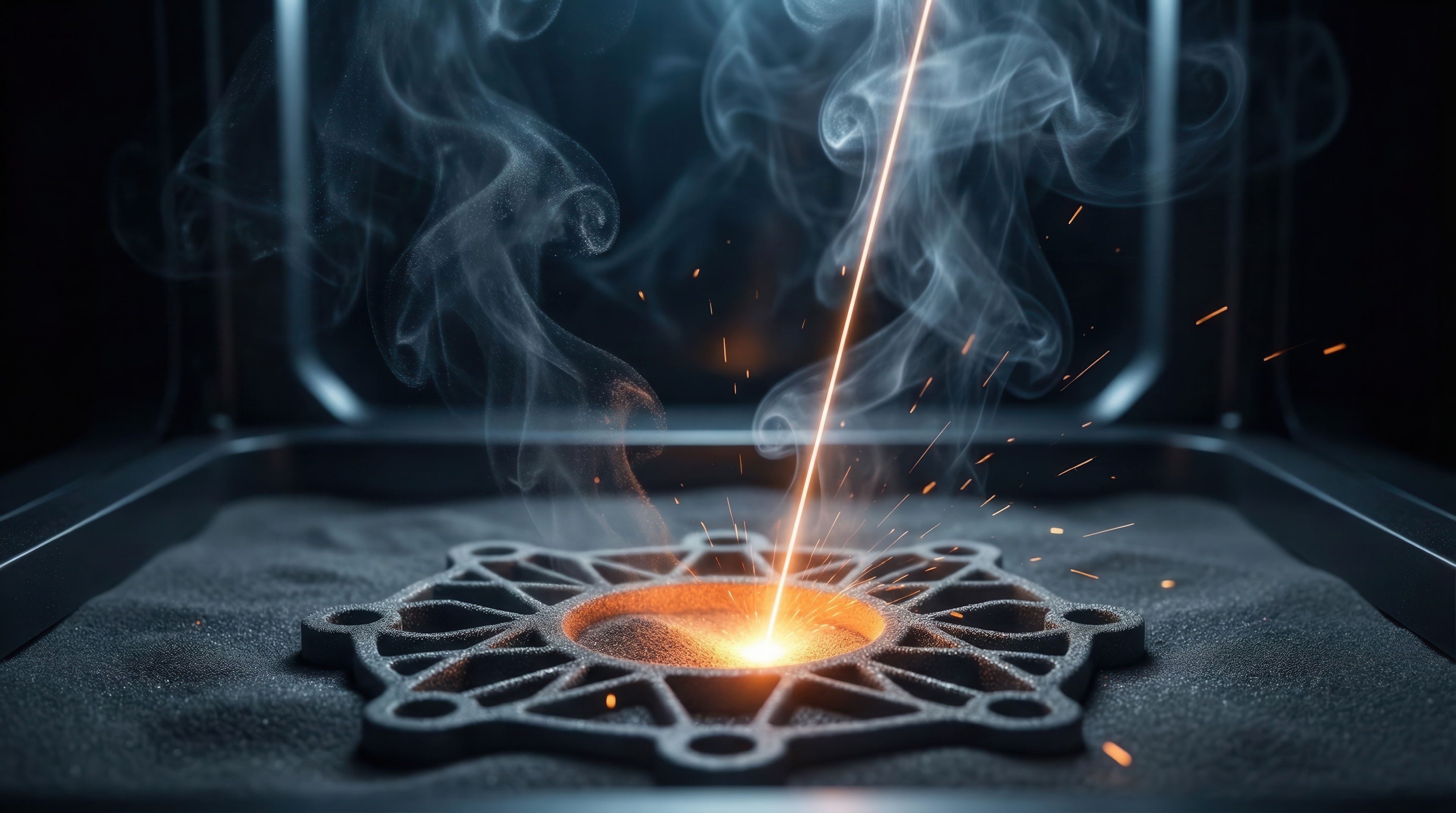
Metal 3D Printing (DMLS / SLM)

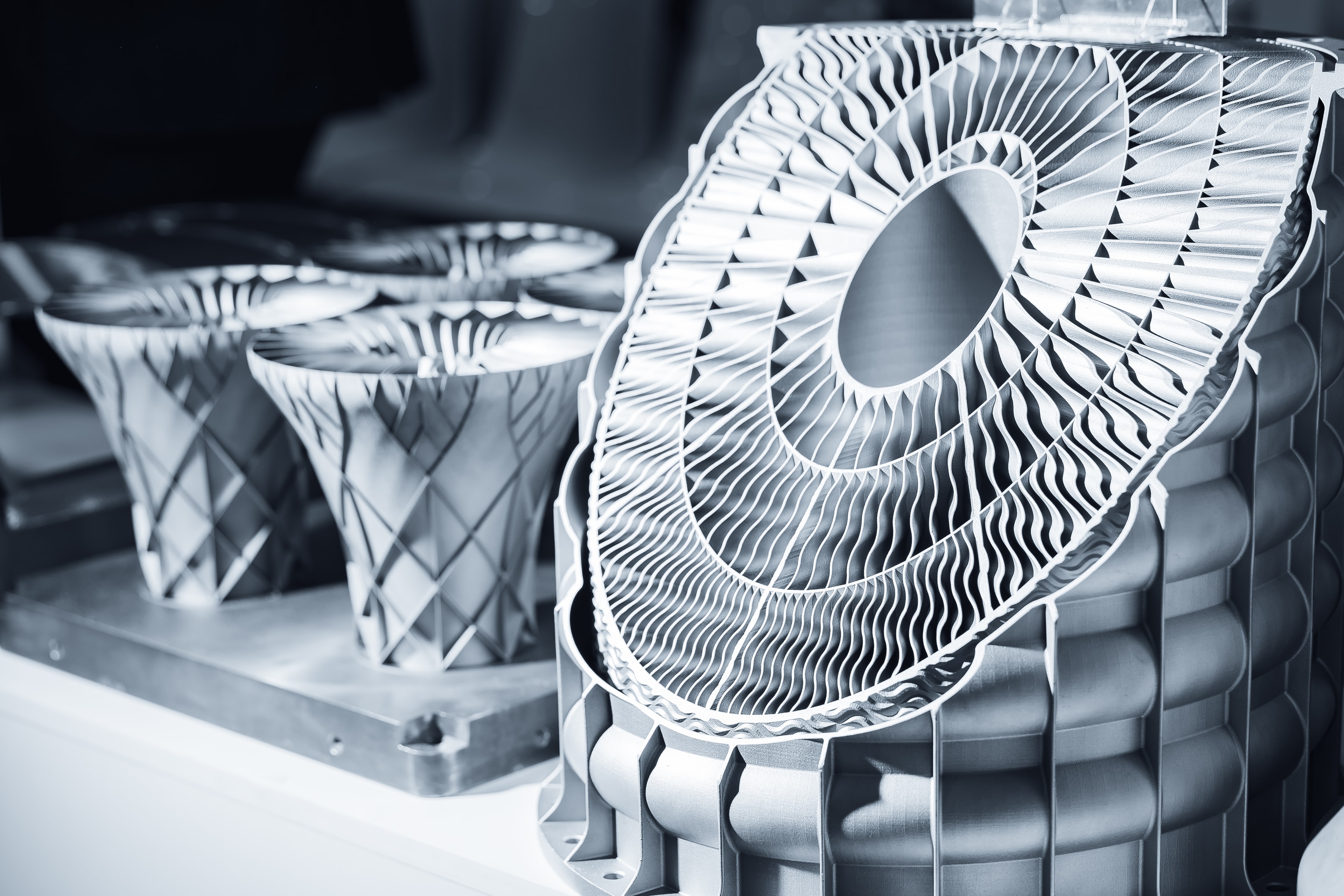
Metal additive manufacturing for complex, lightweight, or consolidated metal components—ideal when internal features or part consolidation deliver real performance gains.

Best for

Best for complex metal parts where machining is impractical and consolidation adds value.

Direct Metal Laser Sintering (DMLS) and Selective Laser Melting (SLM) metal 3D printing process producing high-strength metal components

Program fit

Prototype → Production

Visual preview

Key highlights

Enables internal channels and complex lattices

Part consolidation to reduce assemblies

Post-processing and inspection aligned to CTQs

View Metal 3D Printing

Typical parts

Manifolds and complex fluid routingLightweight brackets and structuresConsolidated multi-part assemblies

Capability 07

Additive Manufacturing

Prototype 3D Printing

Fast-turn prototypes optimized for learning speed—material selection, orientation, and post-processing focused on fit, form, and early functional testing.

Best for

Best when speed of iteration is the priority and you need parts quickly for validation.

Rapid prototype 3D printing for fit, form, and functional testing of engineered parts

Program fit

Prototype → Production

Visual preview

Key highlights

Fast iteration loops

Fit-check and early functional validation

DFM/DfAM guidance to reduce reprints

View Prototype 3D Printing

Typical parts

First-article prototypesAssembly fit checksEarly concept validation parts

Capability 08

Additive Manufacturing

Production 3D Printing

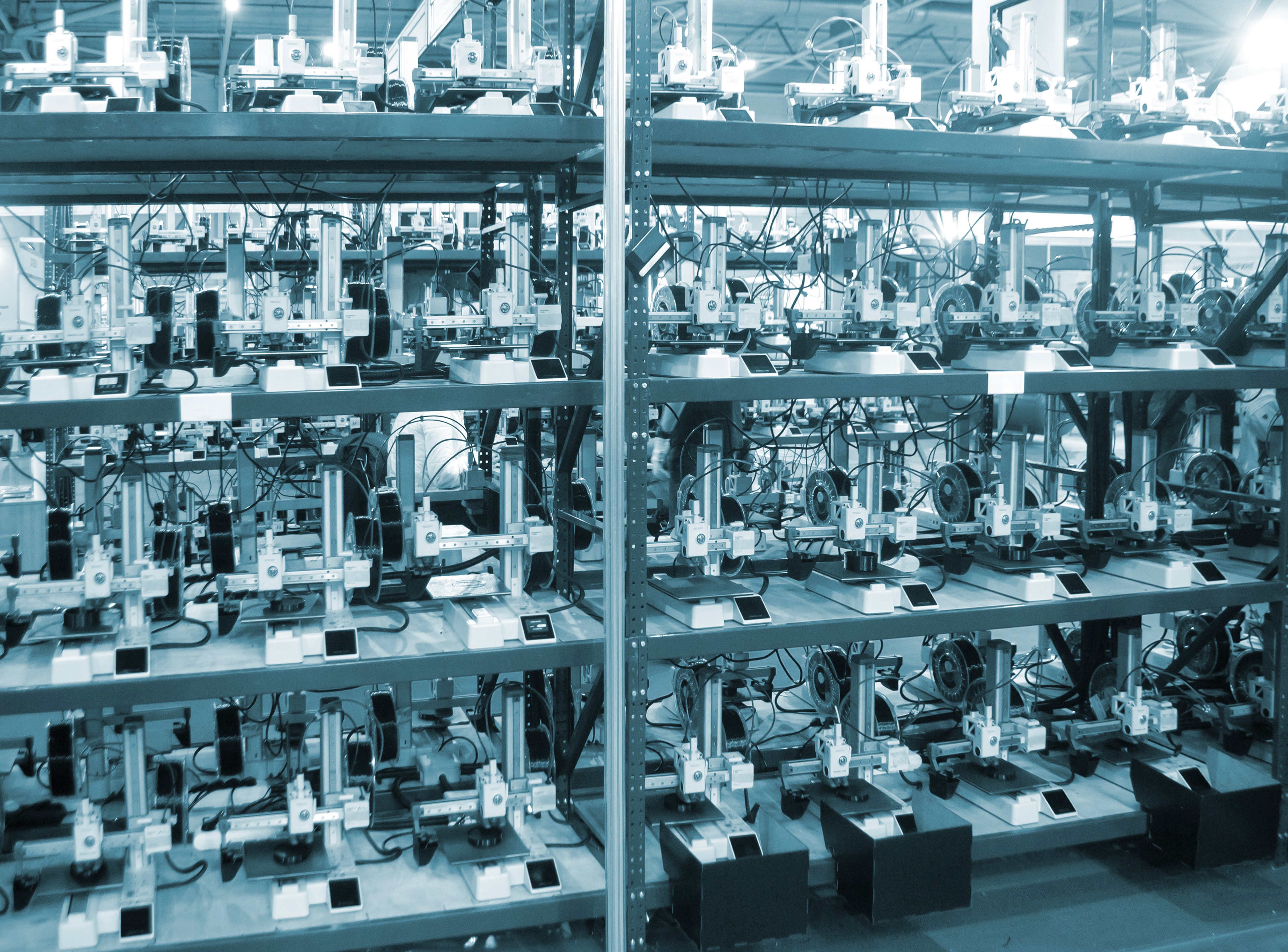
Repeatable additive production with defined specs, process control, and inspection planning—built for stable batches and consistent outcomes.

Best for

Best for bridge production, short runs, and configurable variants without tooling.

Production 3D printing process manufacturing end-use components for mid- to high-volume production

Program fit

Prototype → Production

Visual preview

Key highlights

Defined build parameters and lot control

Consistent batches with inspection planning

Scales for short-run end-use production

View Production 3D Printing

Typical parts

Short-run end-use polymer partsCustom variants and adaptersBridge production components
PREMSA Industries

Ready to manufacture your parts?

Get an instant quote and free DFM engineering review. Our experts ensure your design is optimized for CNC, sheet metal, molding production, or 3D printing.

Typical response: Under 2 hours