Stereolithography
(SLA / DLP)
High-detail resin printing built for cosmetic quality and precise feature fidelity. Orientation + support planning, controlled wash/post-cure, and CTQ-first verification—so parts look right, fit right, and repeat predictably.
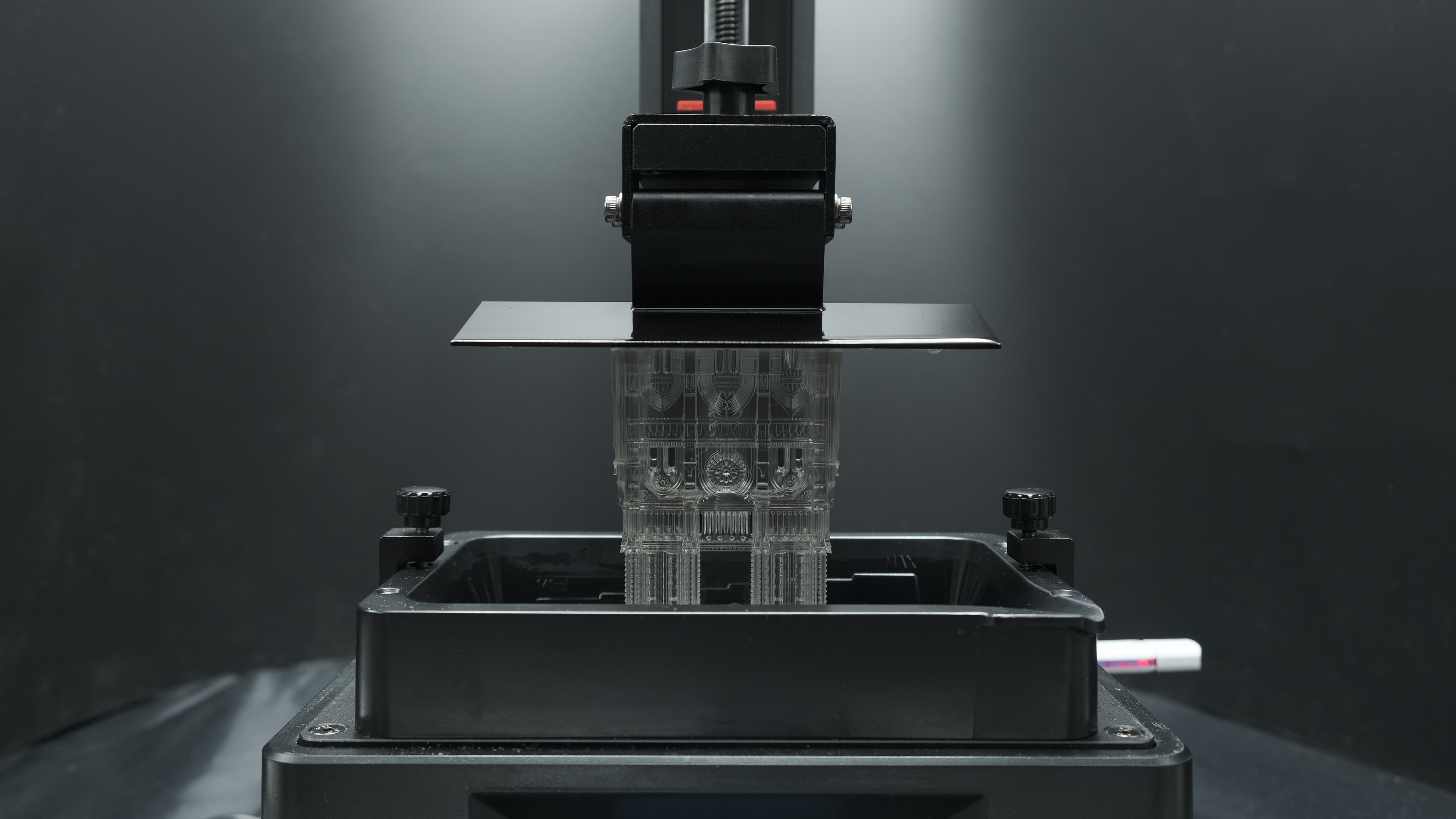
Precision Focus
Detail + Cosmetic Faces
Typical Lead Time
Days
Build Mode
Prototype → Low Volume
Stereolithography (SLA / DLP) Services
Why Choose PREMSA for SLA / DLP
PREMSA delivers SLA/DLP (stereolithography) for resin parts where surface quality, fine features, and appearance matter. We start by defining CTQs (datums, fits, hole quality, sealing lands, and cosmetic faces) and then plan orientation and supports so witness zones and critical interfaces are controlled and repeatable.
SLA/DLP success depends on managing the core variation drivers: support witness on cosmetic faces, thin-wall distortion, cure shrink, and post-cure stability. We align print planning, washing, and UV post-cure discipline to reduce dimensional drift and deliver consistent outcomes.
From appearance prototypes to low-volume runs, we support repeatable programs, traceability when required, and secondary ops (inserts, tapping program-based, drilling/reaming CTQ holes, and light machining of critical datums). You get parts that look right and fit right—not prints that vary from batch to batch.
What is SLA / DLP?
SLA and DLP are additive manufacturing processes that produce parts by curing liquid photopolymer resin with light layer-by-layer. They are widely used for appearance prototypes and precision parts because they can achieve high resolution, sharp details, and smooth surfaces.
Because parts are cured from resin, final properties and dimensions depend on orientation, support strategy, wash method, and post-cure cycle. A successful SLA/DLP program balances these controls to hit fit, cosmetic, and stability requirements.
The SLA / DLP Workflow
A DfAM-first workflow that controls surface quality, witness risk, and CTQ outcomes.
1. File Intake & Requirements Definition
We review CAD + drawings and confirm cosmetic expectations, CTQs, target quantity, and any requirements for finish class or documentation.
2. DfAM Review (Orientation + Support/Witness Strategy)
We evaluate thin walls, minimum features, trapped volumes, witness risk, and tolerance strategy based on mating surfaces and functional datums.
3. Resin Selection + Program Plan
We choose resin family (standard, tough, high-temp, flexible, castable) and define the wash + post-cure discipline to match performance needs.
4. Print Planning (Supports + Surface Protection)
We set orientation, support rules, and witness zones to protect cosmetic faces and CTQ interfaces while maintaining stability.
5. Printing & In-Process Monitoring
Parts are produced with controlled parameters aligned to resin behavior and stability targets.
6. Wash + Post-Cure
Program-defined cleaning and UV cure cycle to stabilize dimensions and properties.
7. Post-Processing & Secondary Ops
Support removal, surface prep, optional priming/paint-ready prep, and inserts/tapping/drilling as required.
8. Inspection & CTQ Verification
We measure CTQs against agreed datums (fit surfaces, holes, sealing lands) and document results per program maturity and risk.
Supports, Surface Quality & Witness Control
Witness-Zone Planning for Cosmetics
We define where supports are allowed so cosmetic faces remain clean and finishing is controlled and repeatable.
Thin-Wall & Distortion Risk Management
We review thin features, large flats, and long unsupported spans that can distort during print or cure and adjust orientation/support accordingly.
Controlled Wash + Post-Cure Discipline
Program-defined cleaning and UV cure cycles reduce tackiness, improve consistency, and minimize dimensional drift.
Shrink Compensation & Fit Strategy
We plan tolerances and critical interfaces around resin behavior, including compensation or secondary ops when fits are tight.
Interface Protection for Assembly
For torque/clamp loads or critical alignment, we plan inserts or post-machining instead of relying on printed threads or unsupported holes.
Repeatability for Batch Production
We lock key parameters (resin, orientation, supports, wash/post-cure) to reduce part-to-part variation in repeat programs.
Technical Advantages
High Resolution + Sharp Details
Excellent feature fidelity for text, logos, fine geometry, and tight radii where detail matters.
Cosmetic-Grade Surfaces
Smooth surfaces with controlled witness planning enable appearance prototypes and paint-ready finishes.
Fast Appearance Iterations
Rapid cycles accelerate design reviews for industrial design and product teams.
Controlled Finishing Programs
Support removal and surface prep are managed to meet cosmetic expectations and interface needs.
Assembly-Ready Secondary Ops
Inserts, tapping program-based, and CTQ hole finishing deliver reliable assemblies.
Repeatable Prototype & Low-Volume Value
Stable programs and CTQ checks support consistent output for small batches and verification builds.
SLA / DLP Capacity & Envelope
Part Size & Geometry Range
Feasibility depends on thin-wall stability, support access, and cure distortion risk. Large flat parts may require ribs, segmentation, or orientation changes.
Reviewed by CTQ
Feature Resolution & Minimums
SLA/DLP supports very fine features, but thin pins/edges can be fragile. Critical fine holes or press fits may require secondary finishing.
Detail-focused
Throughput & Batching
Batch planning drives throughput. We balance packing density with resin flow, support access, surface protection, and post-cure handling.
Prototype → Low Volume
Not sure if SLA / DLP is the right fit?
Send CAD + requirements and request a DfAM + support/witness review. We’ll align resin choice, finish targets, and CTQs before you commit.
Quality & Process Control
SLA/DLP quality depends on controlling orientation, support witness, wash/post-cure discipline, and resin behavior. Defining CTQs, datum strategy, cosmetic faces, finish class, and expected quantities up front enables repeatable planning and stable outcomes.
| Category | Technical Capability | Engineering Notes |
|---|---|---|
| CTQs, Datums, Metrology & Capability Targets | SLA/DLP programs are structured around CTQs that drive assembly: datum faces, hole location/size, sealing lands, and critical fits. Capability depends on orientation, support strategy, and whether critical interfaces are post-finished. | If a face is a datum in assembly, protect it from supports/witness and consider post-finishing or light machining when alignment is critical. |
| Cure Control, Shrink Compensation & Dimensional Stability | Resin parts can move during wash and post-cure. Program-defined cure cycles and handling reduce drift and stabilize dimensions for repeat builds. | For tight fits, define the functional datum strategy and consider secondary finishing on CTQ interfaces rather than pushing print-only capability. |
| Surface Finish, Stair-Stepping & Support Witness Control | SLA/DLP achieves smooth surfaces but still requires witness planning. Finishing methods (sanding, priming, paint-ready prep, texture programs) are selected to match cosmetic targets. | Define cosmetic faces and acceptable witness zones. If the part is presentation-grade, specify finish class and allowed finishing methods. |
| Resin Handling, Post-Cure Discipline & Consistency | Resin handling, wash chemistry/time, and UV cure cycle directly impact strength, surface tack, and dimensional stability. | Treat wash/post-cure as part of the process spec. If validation evidence is needed, specify documentation expectations up front. |
Materials
Material selection drives strength, thermal resistance, chemical compatibility, surface quality, dimensional stability, and long-term performance. Share your environment, loads, tolerances, and critical features so we can recommend the right additive process and material family.
SLA / DLP Resins
Photopolymer resins provide excellent surface quality and high feature resolution. Final properties depend on resin chemistry and post-curing.
Post-Processing & Secondary Operations
Additive parts require controlled post-processing to achieve cosmetic grade, interface accuracy, and mechanical performance. Workflows are selected based on geometry, material, and end-use requirements.
Secondary Operations & Surface Options
SLA / DLP DfAM Guidelines (DFAM)
SLA/DLP is won or lost on support witness planning, thin-wall stability, and cure control. These DfAM rules reduce variation, protect cosmetics, and improve fit.
| Design Feature | Recommendation |
|---|---|
| Wall Thickness, Hollowing & Drainage | Maintain consistent wall thickness and use hollowing with proper drainage/venting when appropriate. Avoid trapped resin volumes and design for cleaning access. |
| Orientation, Supports & Witness Zones | Plan orientation to protect cosmetic faces and CTQ datums. Define witness zones on drawings when appearance matters. |
| Holes, Threads, Inserts & Post-Machining | Treat holes/threads as process-sensitive. Finish CTQ fits by drilling/reaming and use inserts for durable threads under repeated torque cycles. |
| Tolerances, Fits & Mating Surfaces | Treat mating surfaces and sealing faces as CTQs. Use post-finishing or light machining when repeatable assembly alignment is required. |
| Small Features, Text & Detail Fidelity | SLA/DLP supports sharp details, but fine pins/edges can be fragile. Add fillets, avoid needle-like features, and validate minimum text height/line width for your finish class. |
| Drawing & Specification Checklist (SLA / DLP) | Define CTQs, datums, cosmetic faces + witness rules, finish class, environment/temperature/chemical exposure, target quantity, resin preference (and approved equivalents), and any requirements for inserts, machining, inspection evidence, or traceability. |
Applications & Industries
SLA / DLP Applications
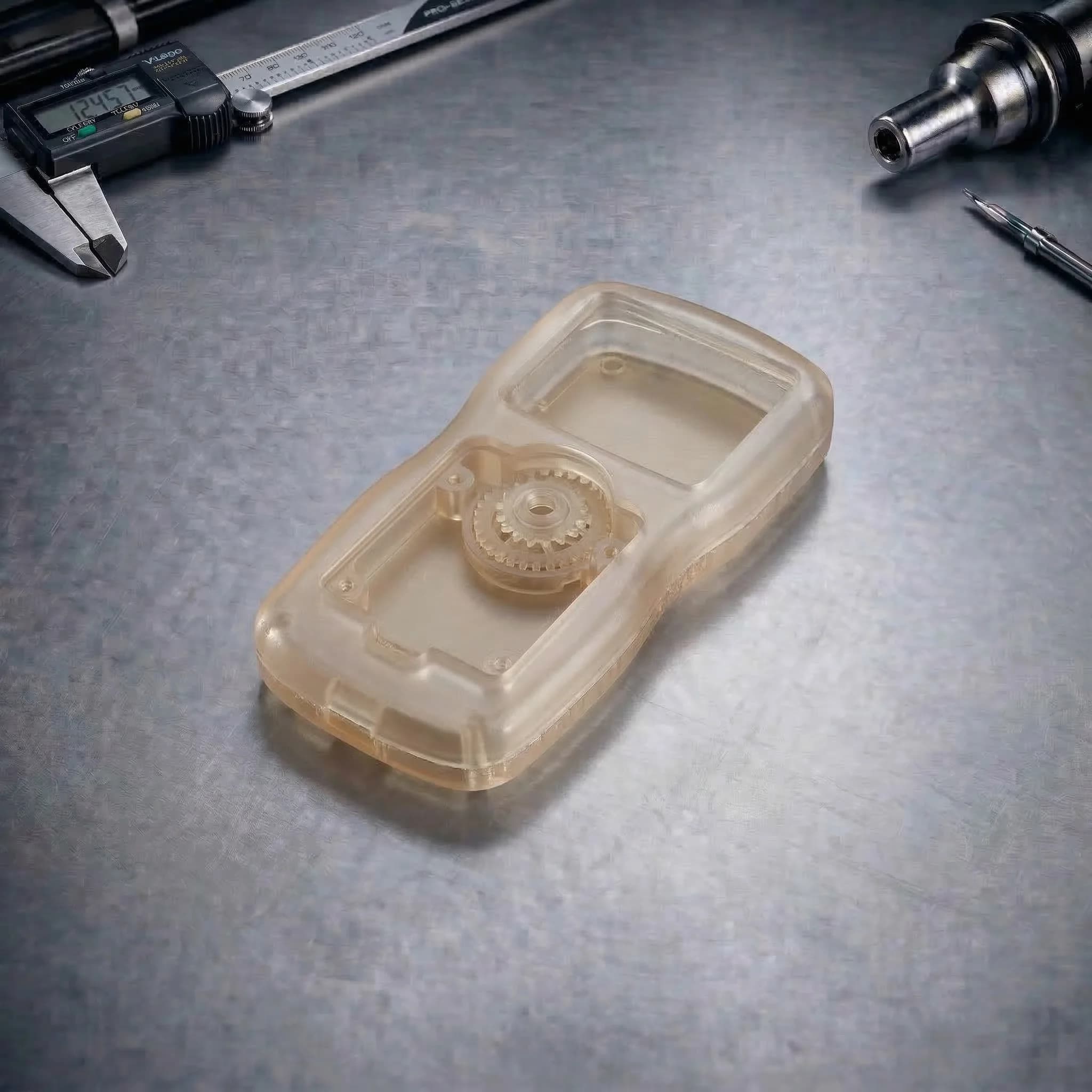
Appearance Prototypes
High-detail prototypes for industrial design reviews, ergonomic checks, and presentation-grade models.
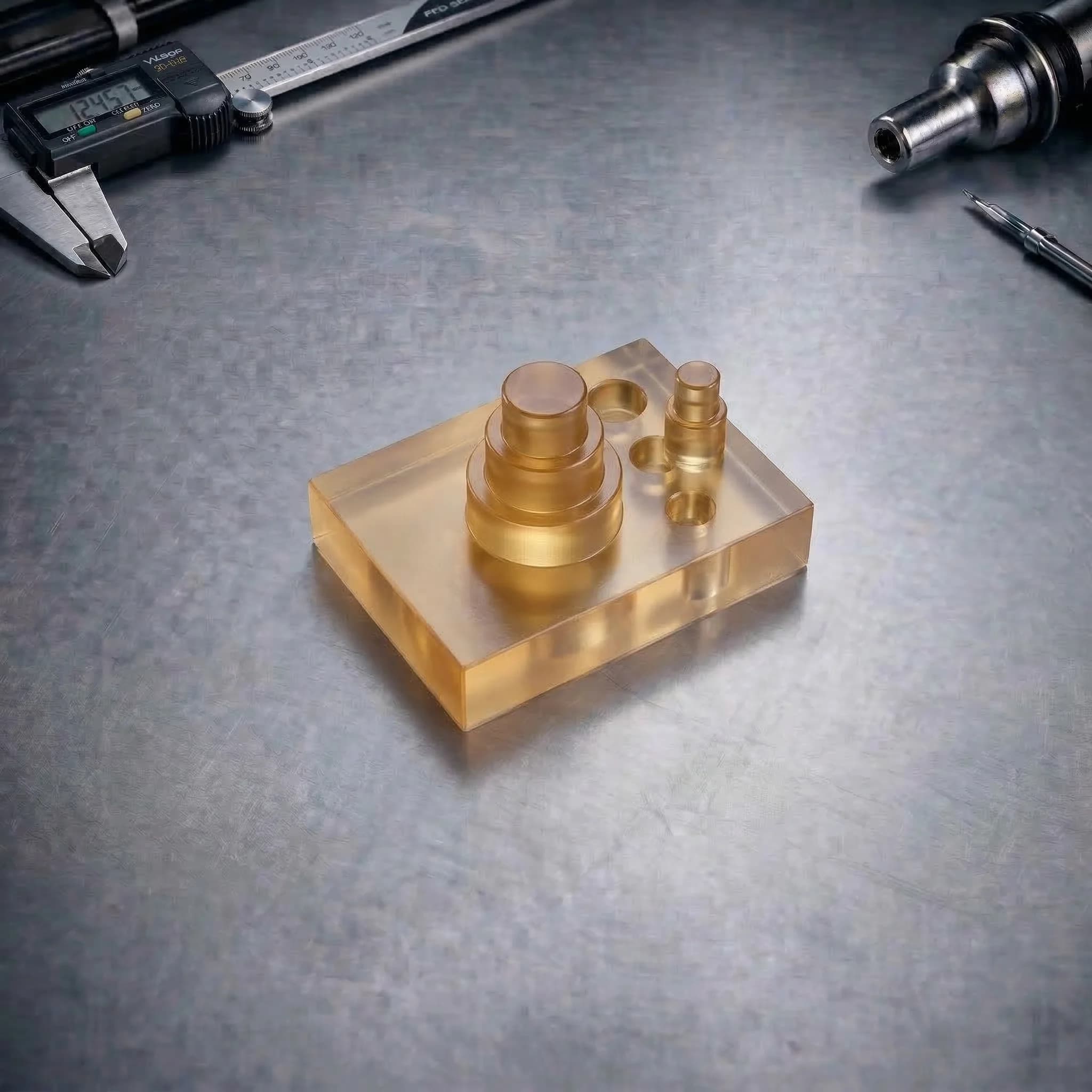
Precision Fit Checks
Parts with fine features and controlled surfaces used to validate assemblies and critical interfaces.
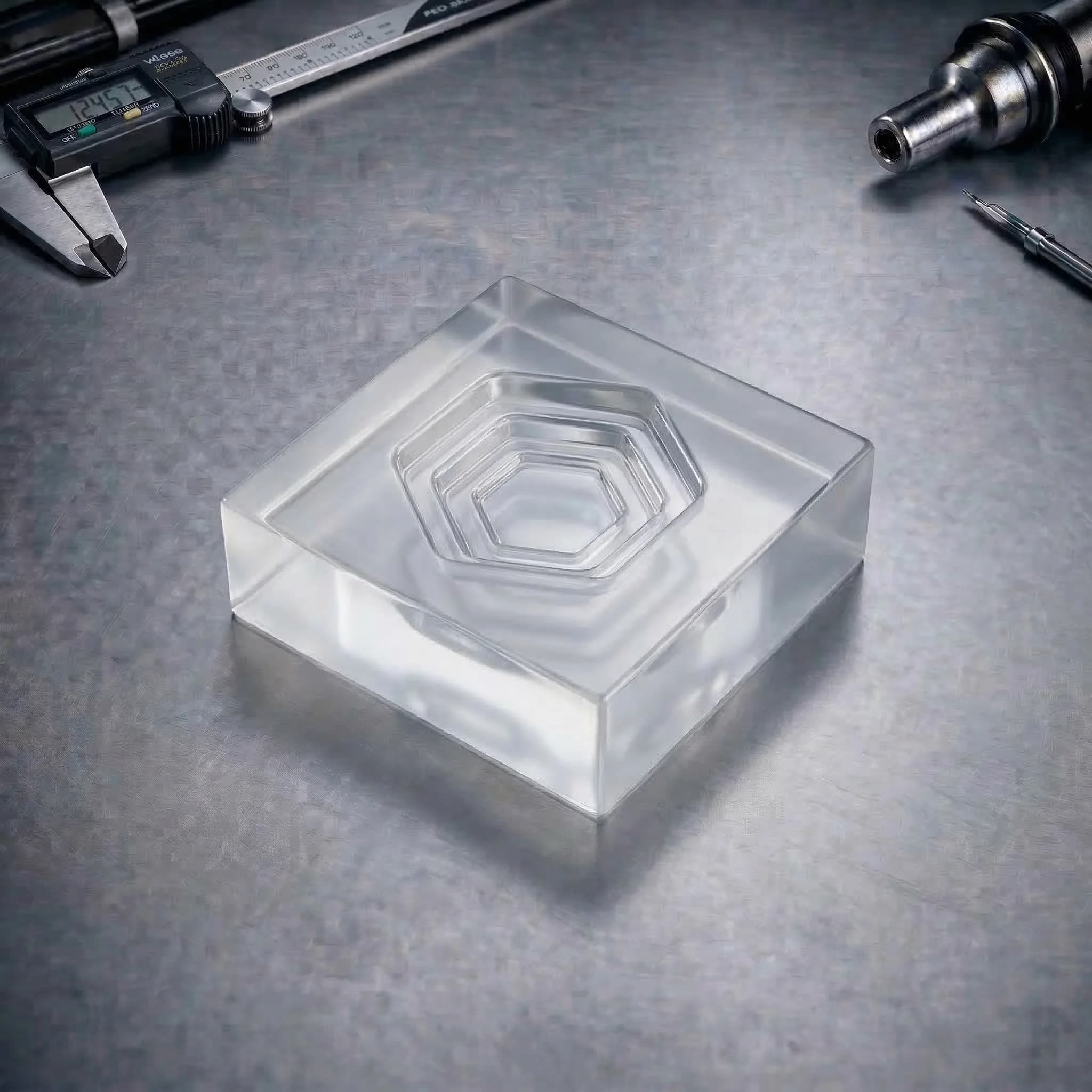
Molds, Patterns & Casting Aids
Resin prints used for patterns, castable workflows, and low-volume tooling aids where applicable.
SLA / DLP Industries
Medical
High-detail prototypes, anatomical models, and precise components used in medical device development and validation.

Lighting
High-resolution components, optical housings, and design validation models for advanced lighting systems.

Design Agencies
Concept models, visual prototypes, and high-detail design validation parts used by industrial design teams.

FAQs & Knowledge Base
SLA / DLP FAQs

Ready to build high-detail SLA / DLP parts that look right and fit right?
Upload CAD + requirements for a DfAM-first review. We’ll align resin choice, orientation, supports, wash/post-cure, finishing, and CTQ verification to deliver reliable SLA/DLP parts for appearance prototypes or low-volume builds.
Engineering Review: Under 2 Hours