Injection
Overmolding
Overmolding that integrates rigid substrates with elastomers or silicone for grip, sealing, damping, and functional interfaces. Controlled shutoffs, repeatable insert location, and stable multi-material processing for production-ready parts.
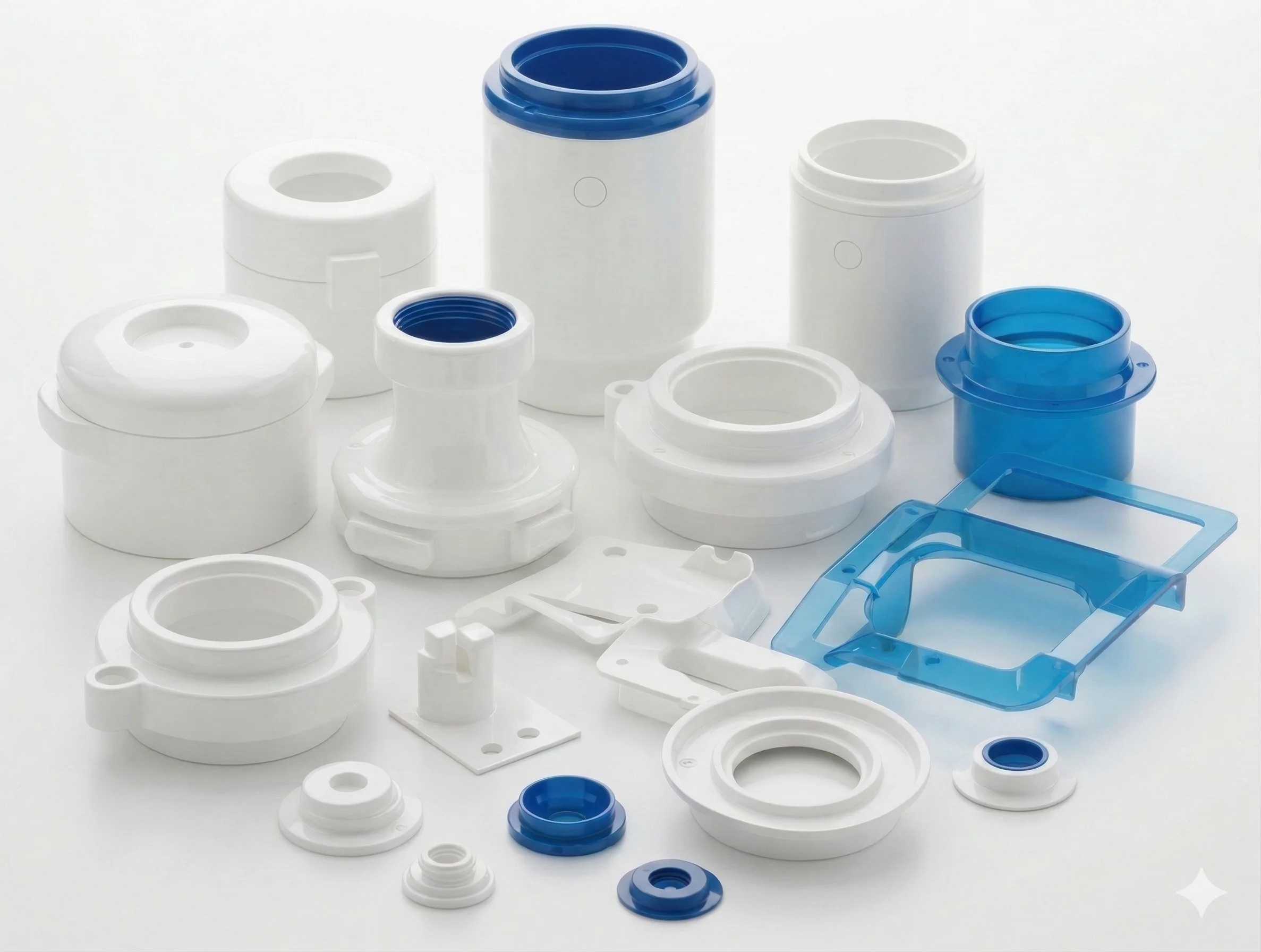
Interface Focus
Bond + Shutoffs
Tooling + Samples
Program-based
Build Stage
Pilot → Production
Overmolding Services
Why Choose PREMSA for Overmolding
PREMSA delivers injection overmolding that combines rigid substrates with elastomers or secondary plastics to add grip, sealing, vibration damping, electrical isolation, and ergonomic interfaces. Programs are engineered around interface geometry, shutoff control, and repeatable insert location so the result is production-stable—not just visually acceptable.
Overmolding quality is driven by interface control: shutoff sealing geometry, flash containment, bond-line behavior (adhesive or mechanical), and process window stability. The goal is consistent material separation, predictable witness placement, and controlled interface dimensions across lots.
Programs typically focus on bond-line integrity, cosmetic faces, and assembly interfaces: retention windows/undercuts, sealing lands, grip ribs, insert datums, and tolerance stack behavior across dissimilar material shrink and stiffness.
What is Overmolding?
Overmolding is a multi-step molding process where a first component (the substrate) is molded or placed into a mold, then a second material is injected onto/around it to create a single integrated part.
The second material is commonly an elastomer (TPE/TPU or silicone LSR) for grip and sealing, or a second thermoplastic for functional features. Retention can be chemical adhesion (material compatibility) and/or mechanical retention (locks, windows, grooves).
The Overmolding Workflow
A controlled multi-material workflow centered on interface geometry, shutoff sealing, and repeatable insert positioning.
1. Requirements & Interface Definition
Define substrate material, overmold material, interface surfaces, cosmetic faces, sealing lands, retention geometry, insert datums, and any assembly constraints.
2. Overmolding DFM Review
Review shutoff architecture, parting lines, flash traps, retention windows or undercuts, ejection witness zones, and shrink mismatch risks between materials.
3. Tooling Strategy & Architecture
Select two-shot or insert overmolding approach and define insert location features, shutoff sealing geometry, gating and venting intent, and tooling serviceability.
4. Sampling & Interface Tuning
Run initial samples to evaluate bond-line behavior, flash propensity at shutoffs, cosmetic witness mapping, and interface dimensional stability.
5. Bond-Line & Retention Verification
Verify retention performance based on the defined mechanism (material adhesion and/or mechanical interlocks). Document interface condition and failure modes.
6. Process Window Stabilization
Stabilize melt temperatures, mold temperatures, injection profiles, pack/hold intent, and cycle controls to lock repeatable fill, shutoff sealing, and cosmetics.
7. Inspection & Interface Control Plan
Define inspection focus for bond-line integrity, flash limits at shutoffs, cosmetic witness zones, and critical interface dimensions across lots.
8. Production Release Package
Release a controlled specification package including material callouts, interface requirements, cosmetic witness zones, retention criteria, and approved process window.
Tooling, Inserts & Overmolding Capabilities
Insert Overmolding Tooling
Tooling configured for repeatable insert location with positive datums and loading features that protect shutoffs and cosmetic faces.
Two-Shot Overmolding (Program-Dependent)
Two-shot architecture for integrated multi-material parts where shot-to-shot alignment and shutoff sealing control are the primary drivers.
Shutoff Sealing Geometry
Shutoff surfaces, flash traps, and controlled land geometry to contain soft material and protect critical interfaces.
Retention Geometry Features
Mechanical locks, windows, grooves, and undercuts engineered into the substrate to ensure durable retention where required.
Cosmetic Witness Strategy
Mapping and control of witness lines, parting lines, gates, and ejection marks aligned to designated cosmetic faces.
Process Stability Controls
Defined process window controls for fill balance, venting, shot consistency, and defect mode containment across materials.
Technical Advantages
Integrated Grip and Ergonomics
Soft elastomer surfaces integrated directly onto rigid structures for durable grip geometry and consistent tactile feel.
Sealing and Environmental Protection
Elastomer features used to form seals, gaskets, and interface barriers with controlled shutoff geometry and flash containment.
Vibration Damping and Isolation
Elastomer overmolds used to damp vibration and reduce noise transfer at interfaces and handles.
Reduced Assembly Complexity
Combining materials in one molded part reduces separate grips, seals, adhesives, and manual assembly steps.
Repeatable Cosmetic Control
Defined witness zones and shutoff control reduce uncontrolled flash and improve cosmetic stability across lots.
Functional Interface Integration
Overmolds support features like soft-touch buttons, protective bumpers, and tactile surfaces integrated into structural parts.
Overmolding Capacity & Envelope
Press Selection & Shot Capacity
Press and shot sizing are determined by substrate geometry, overmold volume, projected area, and interface/shutoff requirements to maintain stable fill and shutoff sealing.
Program-based
Part Size & Geometry Envelope
Envelope is governed by substrate rigidity, insert handling, shutoff sealing length, and overmold flow length for complete fill without flash escalation at shutoffs.
Reviewed by interface geometry
Two-Shot vs Insert Overmolding
Programs may use two-shot or insert methods depending on alignment, insert loading approach, cycle intent, and interface architecture requirements.
Two-shot / Insert
Need an interface-focused review?
Send CAD + material callouts and request an overmolding interface review. We’ll map shutoffs, retention geometry, cosmetic faces, and inspection focus for bond and flash containment.
Quality & Interface Standards
Overmolding quality is dominated by interface behavior: bond-line integrity (adhesive and/or mechanical), shutoff sealing and flash containment, and dimensional stability across dissimilar shrink and stiffness.
| Category | Technical Capability | Engineering Notes |
|---|---|---|
| Bond Line Integrity & Adhesion Control | Bond-line behavior is controlled through defined interface surfaces, retention geometry, and material pairing. Verification focuses on consistent interface fill and repeatable failure mode behavior where applicable. | Define the retention mechanism (adhesive, mechanical, or hybrid) and identify inspection points and acceptance language for bond/retention. |
| Shutoffs, Flash Control & Cosmetic Faces | Shutoff sealing surfaces, parting lines, and flash traps are designed to contain soft materials and protect cosmetic faces from uncontrolled flash and witness drift. | Identify cosmetic faces and witness zones (parting line, gate vestige, ejector marks) and lock allowed locations. |
| Dimensional Stability & Material Mismatch | Dissimilar shrink and stiffness can move interface datums. Control focuses on datums, functional interfaces, and sealing lands rather than free surfaces. | Call out datums on the substrate that govern assembly; measure interface-controlled features across process lots. |
| Insert Location, Fixturing & Repeatability | Repeatable insert location and orientation is critical for shutoff sealing and consistent overmold coverage. Controls include positive datums, loading features, and verification checks. | Define insert orientation features and reject conditions for misload, tilt, or incomplete seating. |
Polymers & Materials
Polymer selection drives strength, impact performance, temperature resistance, chemical compatibility, dimensional stability, and cosmetic quality. Share your environment, load case, regulatory needs, and end-use requirements so we can recommend the best material family and grade for your program.
Commodity Polymers
Engineering Polymers
High-Performance Polymers
Elastomers (TPE / TPU)
Secondary Operations & Finishing
Beyond molding, production programs often require controlled cosmetic finishes, trimming, assembly steps, hardware installation, traceability, and packaging support to deliver production-ready parts that integrate cleanly into downstream operations.
Secondary Operations & Finishing
Overmolding DFM Guidelines (DFM)
Overmolding DFM focuses on shutoff sealing, retention geometry, witness mapping, and stability across materials.
| Design Feature | Recommendation |
|---|---|
| Parting Lines, Shutoffs & Sealing Geometry | Shutoff surfaces must be continuous and robust to prevent flash pathways. Sealing lands and shutoff lengths should be designed to maintain contact and contain soft material flow. |
| Mechanical Locks, Windows & Retention Features | Retention features (windows, undercuts, grooves, ribs, through-holes) provide durable mechanical anchoring of the overmold where required. |
| Gating, Venting & Weld Lines (Overmold Shot) | Overmold gating and venting determine fill balance and cosmetic witness. Weld lines in elastomers can create visible knit zones and local weakness depending on geometry. |
| Ejection Witness & Cosmetic Control | Ejection marks, pin locations, and contact faces should be mapped away from defined cosmetic faces. Soft materials can show witness and scuffing if not controlled. |
| Shrink, Warp & Interface Control | Dissimilar shrink can pull interfaces and move datums. Control relies on substrate datum strategy and interface geometry that resists distortion under cooling and elastic recovery. |
| Overmolding Drawing & Spec Checklist | Include substrate material, overmold material, hardness (Shore), cosmetic faces, witness zones, shutoff locations, retention geometry, insert datums, and inspection focus (bond, flash, interface dimensions). |
Applications & Industries
Overmolding Applications
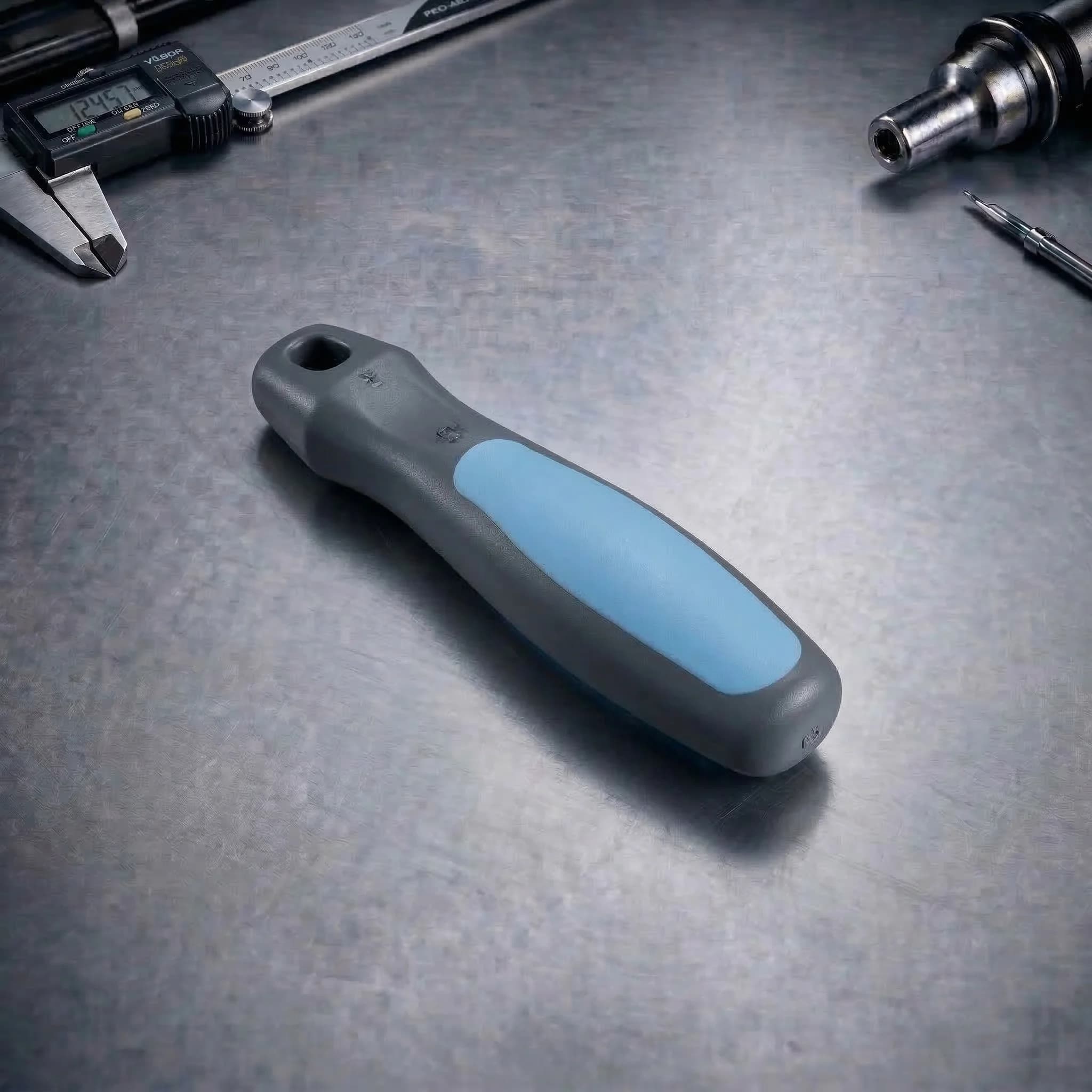
Soft-Touch Handles & Grips
Rigid substrates overmolded with TPE/TPU for ergonomic grip geometry and durable tactile surfaces.
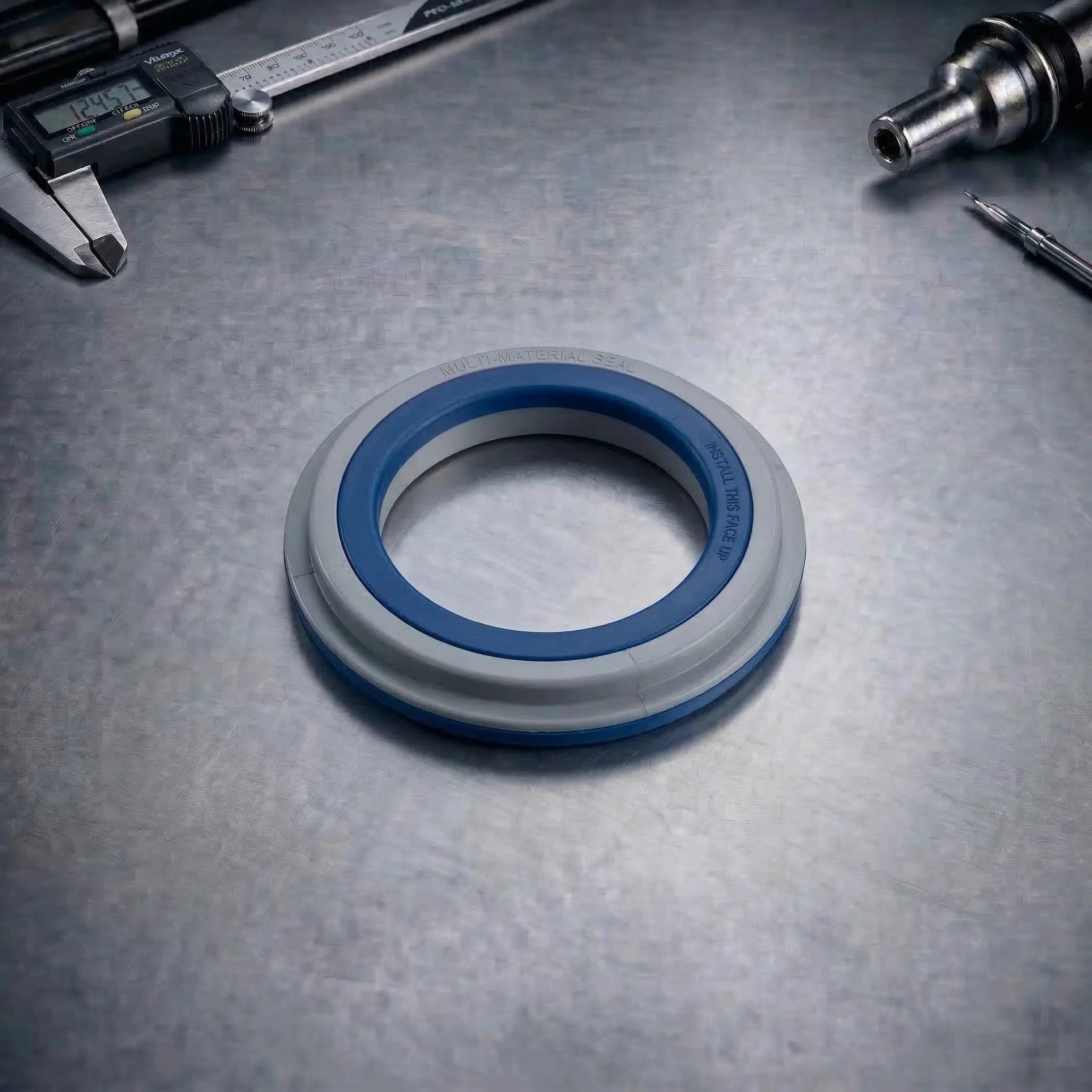
Seals, Gaskets & Interface Barriers
Elastomer overmolds used to form sealing lands and environmental barriers integrated onto housings and covers.
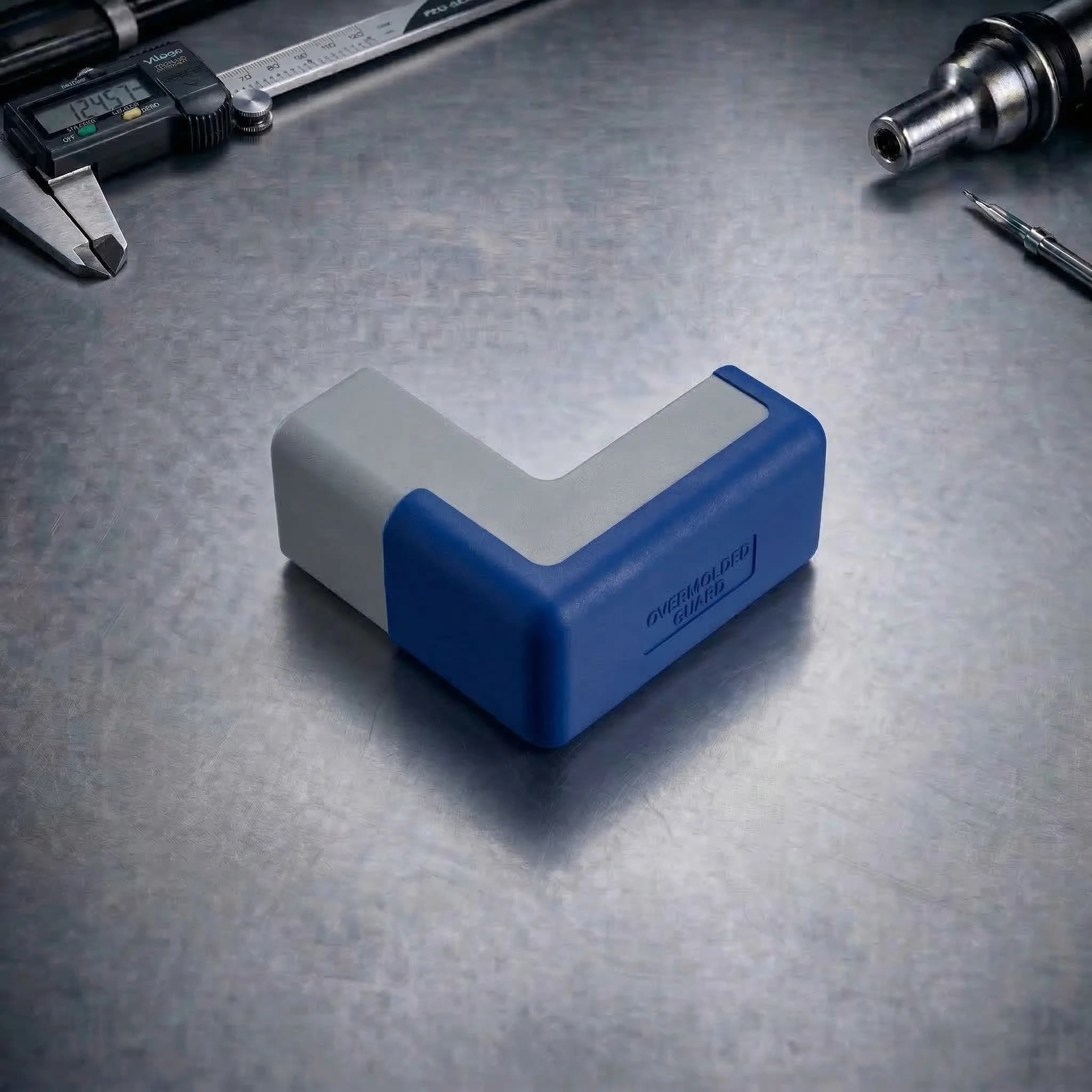
Protective Bumpers & Edge Guards
Overmolded elastomer features for impact absorption and edge protection on industrial products and tools.
Overmolding Industries
Electronics & Semiconductors
Injection molded plastic components for electronic housings, internal supports, connectors, and insulating parts used in electronic equipment and semiconductor systems.

Medical
Precision molded plastic parts used in medical equipment, diagnostic devices, and structural components where dimensional consistency and material quality are critical.

Robotics
Functional plastic components for housings, structural supports, guides, and mechanical parts used in robotic systems and automation equipment.

FAQs & Knowledge Base
Overmolding FAQs

Ready to build multi-material parts with controlled interfaces?
Upload CAD + material callouts to request an overmolding quote. We’ll map shutoffs, retention geometry, witness zones, and inspection focus for bond, flash containment, and interface stability.
Engineering Review: Under 2 Hours