Service 01Parts & Assemblies
Sheet Metal Fabrication
End-to-end sheet metal fabrication including cutting, forming, secondary ops, and finishing for brackets, enclosures, panels, and structural components.
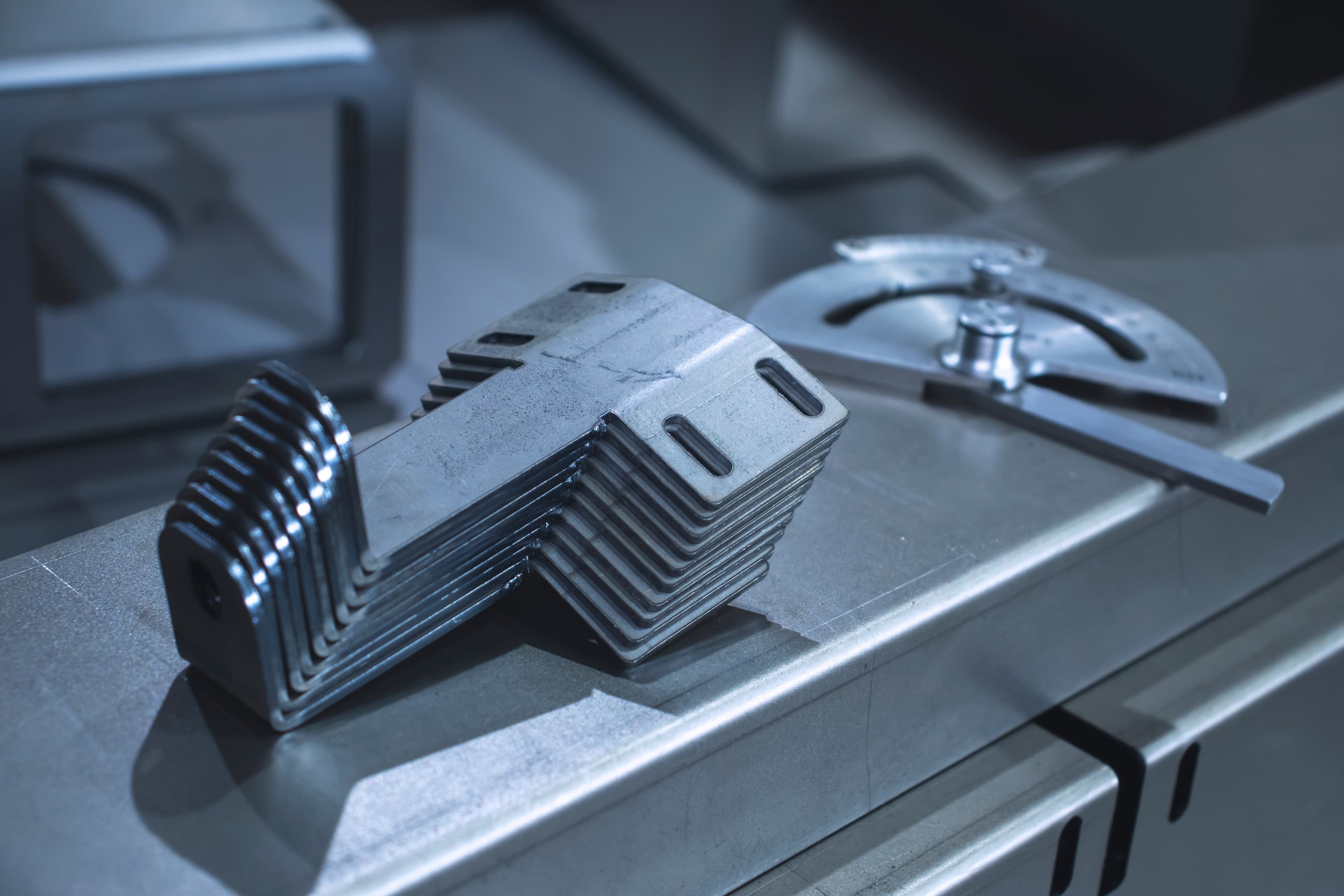
Typical Cut Tolerance
±0.005"–±0.015"
Sheet metal parts and assemblies made for fit, function, and sheet cutting, bending, tube work, and stamping with clear tolerances and inspection options.
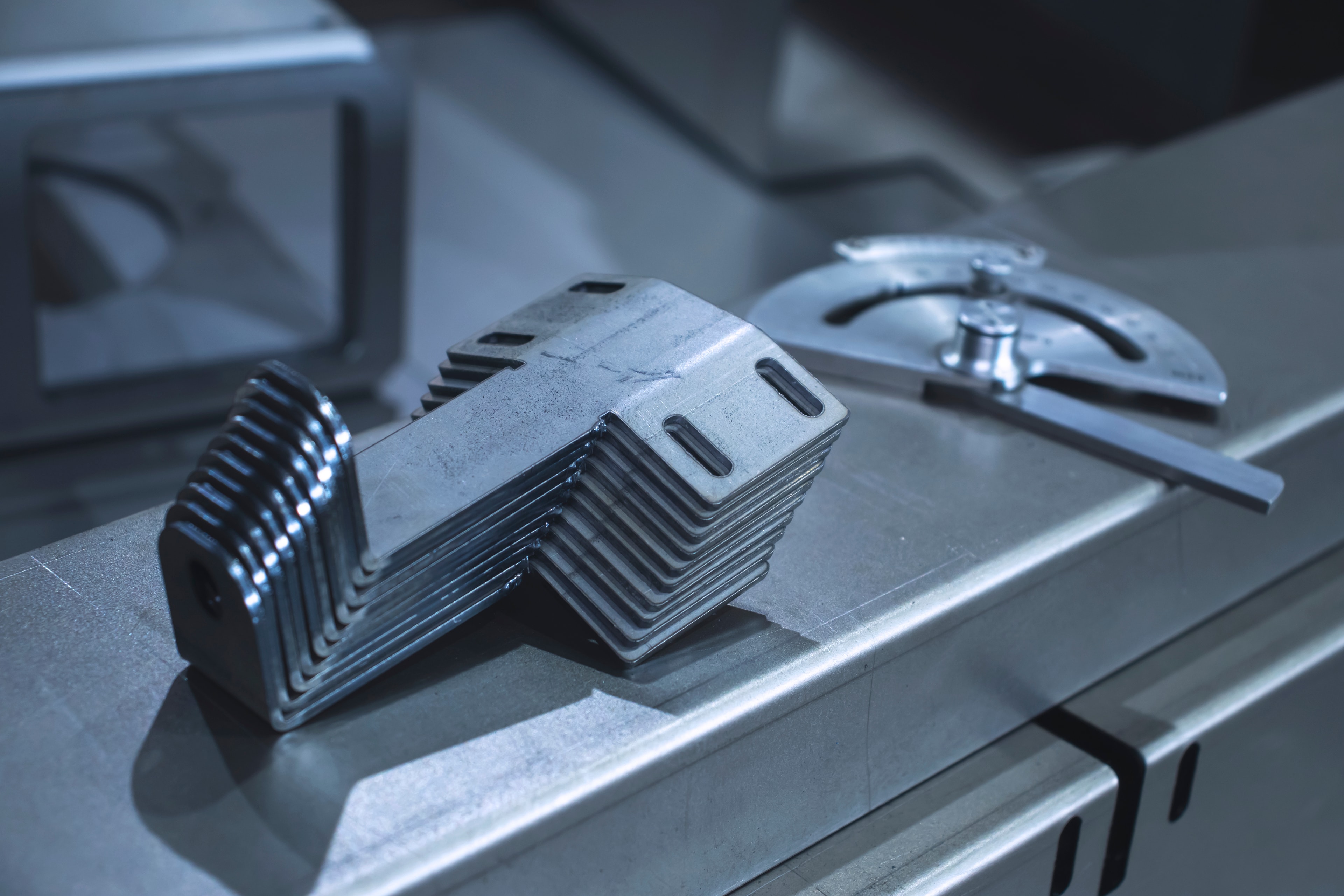
Typical Tolerance
±0.005"–±0.015"
Lead Time
3–10 Days
Batch Range
Prototype → Production
PREMSA delivers production-ready metal fabrication for engineers and industrial buyers who need predictable fit, clear tolerances, and fast iteration. We support sheet metal components and assemblies made through sheet cutting, bending, tube processing, and stamping—optimized for cost, repeatability, and downstream assembly.
Our workflow is built around DFM-first quoting. We validate bend feasibility, feature-to-bend rules, tolerance risk, and stack-up sensitivity before release. That means fewer surprises, fewer ECO loops, and cleaner first-article outcomes—especially on multi-bend geometries and hole patterns near bend lines.
From one-off prototypes to recurring production, PREMSA helps you standardize fabrication with consistent communication, material options, finishing support, and inspection planning. You get fabrication accountability—not just parts, but manufacturable solutions.
A clear workflow from CAD upload to cut, formed, finished parts.
Metal fabrication is a manufacturing process that converts sheet or tube stock into finished parts and assemblies through cutting, forming, joining, and finishing operations. For sheet metal, common workflows include sheet cutting, punching/stamping, and press brake bending to achieve accurate flat patterns and formed geometries.
Engineers use metal fabrication when parts require lightweight strength, repeatability, and scalable production—especially for brackets, enclosures, panels, frames, guards, and structural subassemblies.
1. Flat Pattern & Cut
Parts start as flat sheet or tube stock. We cut profiles, slots, and holes via sheet cutting or stamping depending on volume and geometry.
2. Forming & Bending
Press brake bending creates flanges and formed features. Bend feasibility depends on material, thickness, and feature-to-bend rules.
3. Secondary Ops
Deburring, edge finishing, hardware insertion, tapping, countersinks, and joining can be added based on requirements.
4. Finish & Verify
Powder coating, anodizing, plating, or conversion coatings can be applied, followed by dimensional inspection for critical features.
Formed Geometry
When you need bends, flanges, hems, or multi-bend parts that can’t be produced efficiently from solid machining.
Strong & Lightweight
Ideal for structural brackets, enclosures, and frames where sheet thickness provides stiffness without heavy mass.
Repeatable Hole Patterns
Great for panels and assemblies where cut features and bend locations must align consistently across batches.
Scalable Production
Efficient for mid-to-high volumes—especially when stamping or dedicated forming tooling makes sense.
Finishing Requirements
When corrosion resistance, cosmetics, or surface protection is needed via powder coat, plating, or anodize.
Cost-Effective Flat-to-Form Builds
Best when a flat pattern (laser/waterjet/punch) plus forming delivers the final part faster and cheaper than welding up multiple machined components.
Choose the right process based on geometry, tolerance needs, volume, and finish requirements.Built for prototypes and production parts.
End-to-end sheet metal fabrication including cutting, forming, secondary ops, and finishing for brackets, enclosures, panels, and structural components.
Typical Cut Tolerance
±0.005"–±0.015"
Accurate bending for flanges, channels, and multi-bend geometries with DFM checks for feature-to-bend rules and stack-up control.
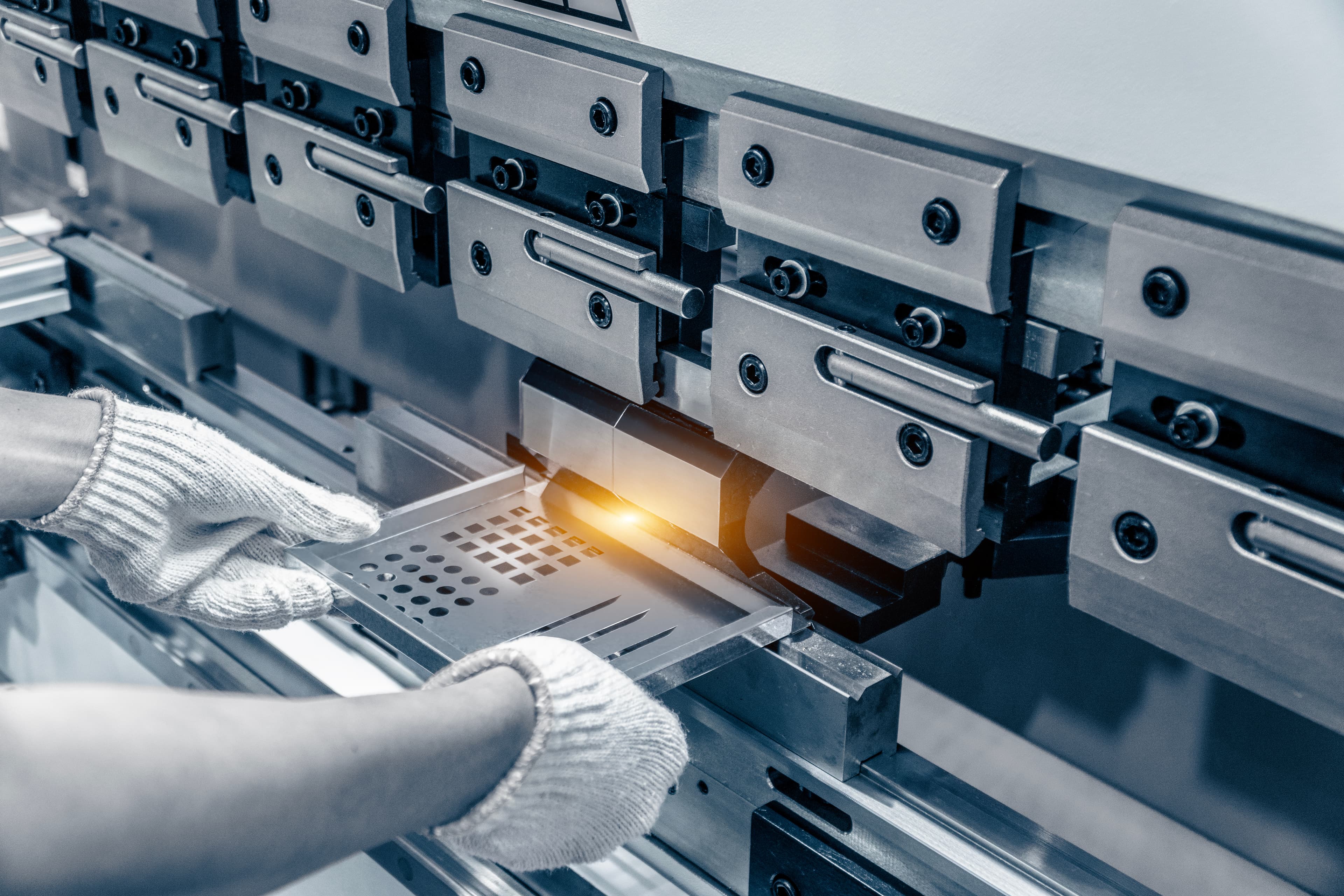
Typical Cut Tolerance
±0.005"–±0.015"
Clean sheet-cut profiles, slots, and hole patterns for sheet parts with predictable tolerances based on material and thickness.
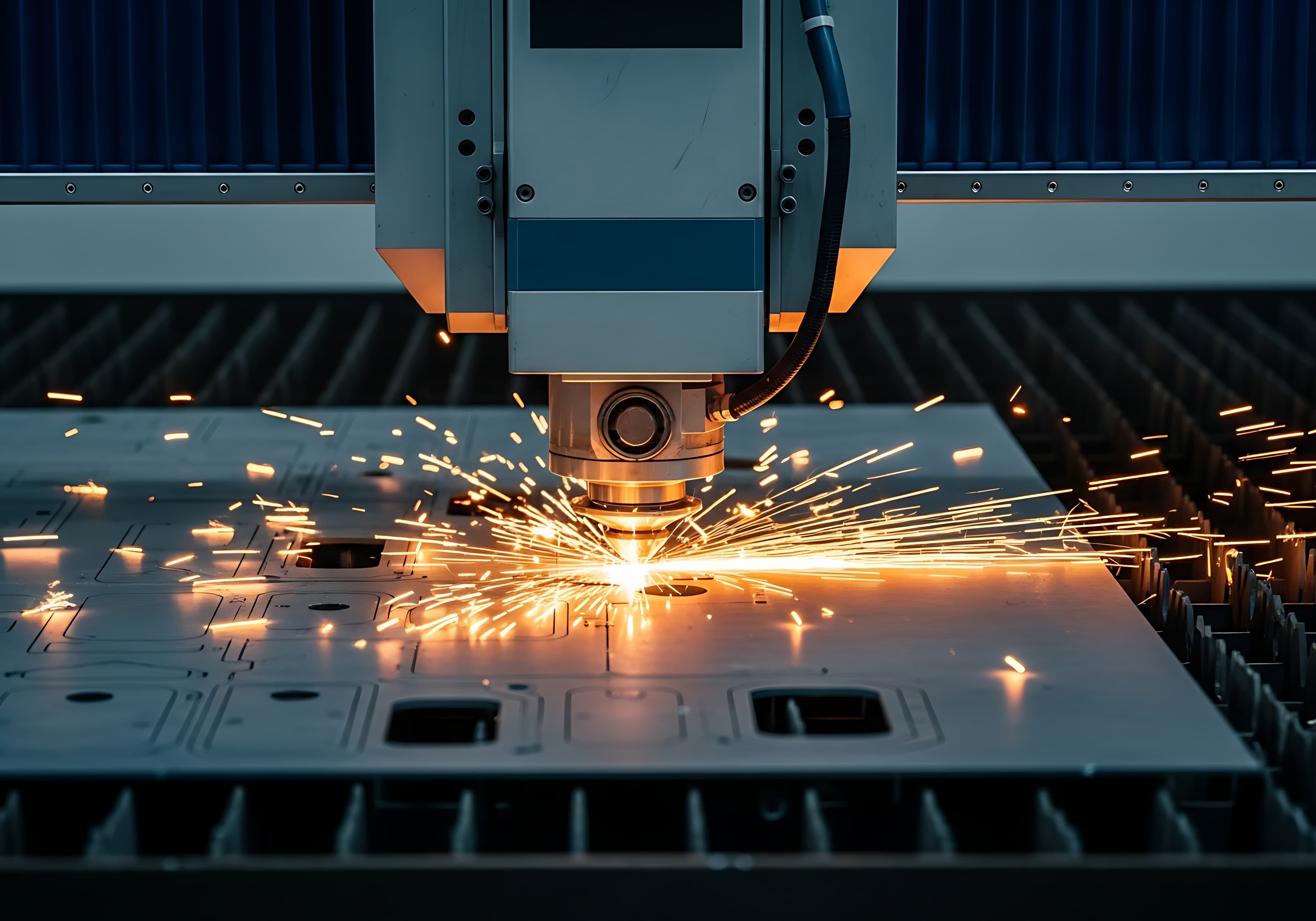
Typical Cut Tolerance
±0.005"–±0.015"
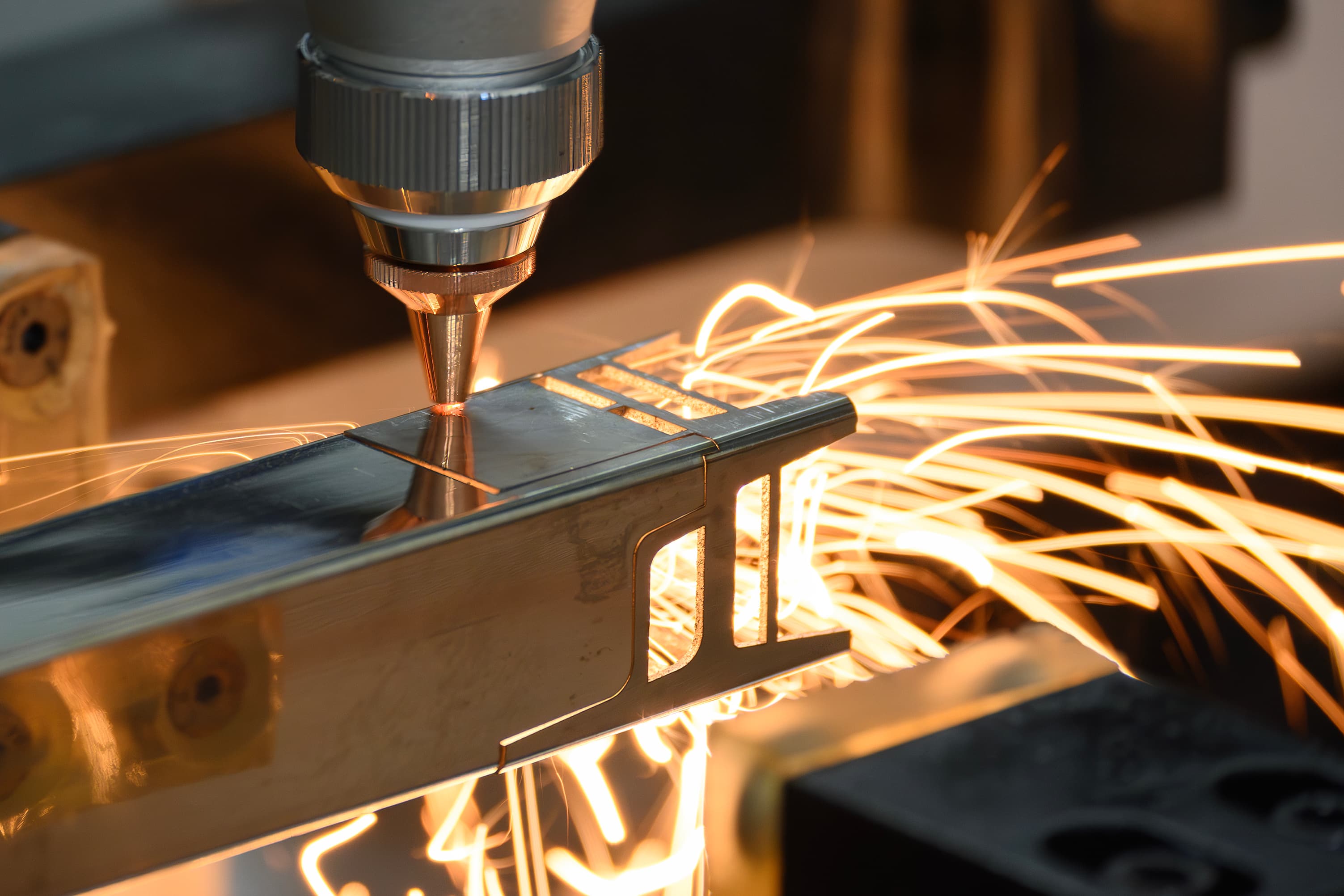
Tube cutting for frames and structural components. Ideal for production-ready assemblies and downstream bending or joining operations.
Typical Cut Tolerance
±0.005"–±0.015"
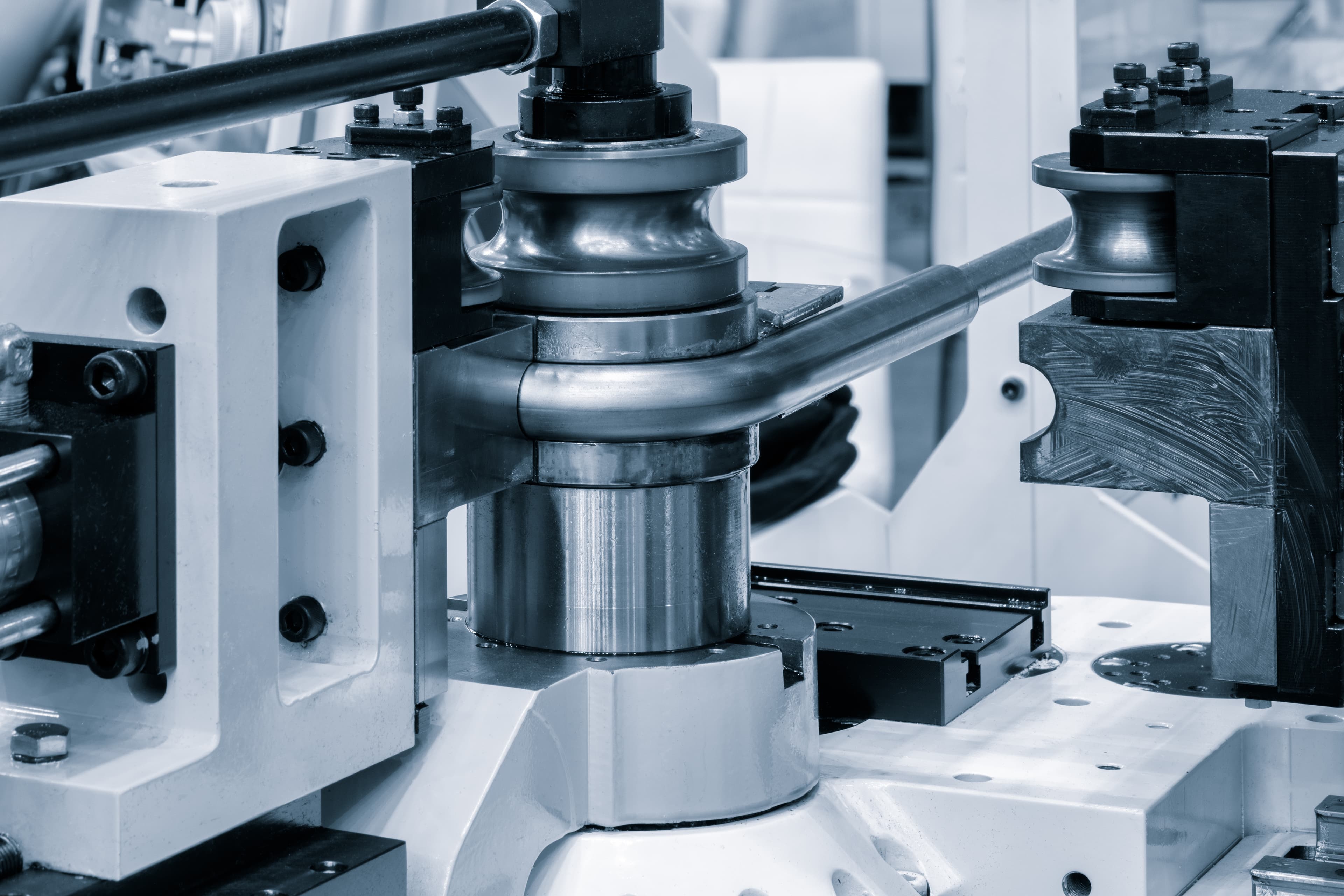
Tube bending for brackets, frames, guards, and routing applications—optimized for bend feasibility and dimensional repeatability.
Typical Cut Tolerance
±0.005"–±0.015"
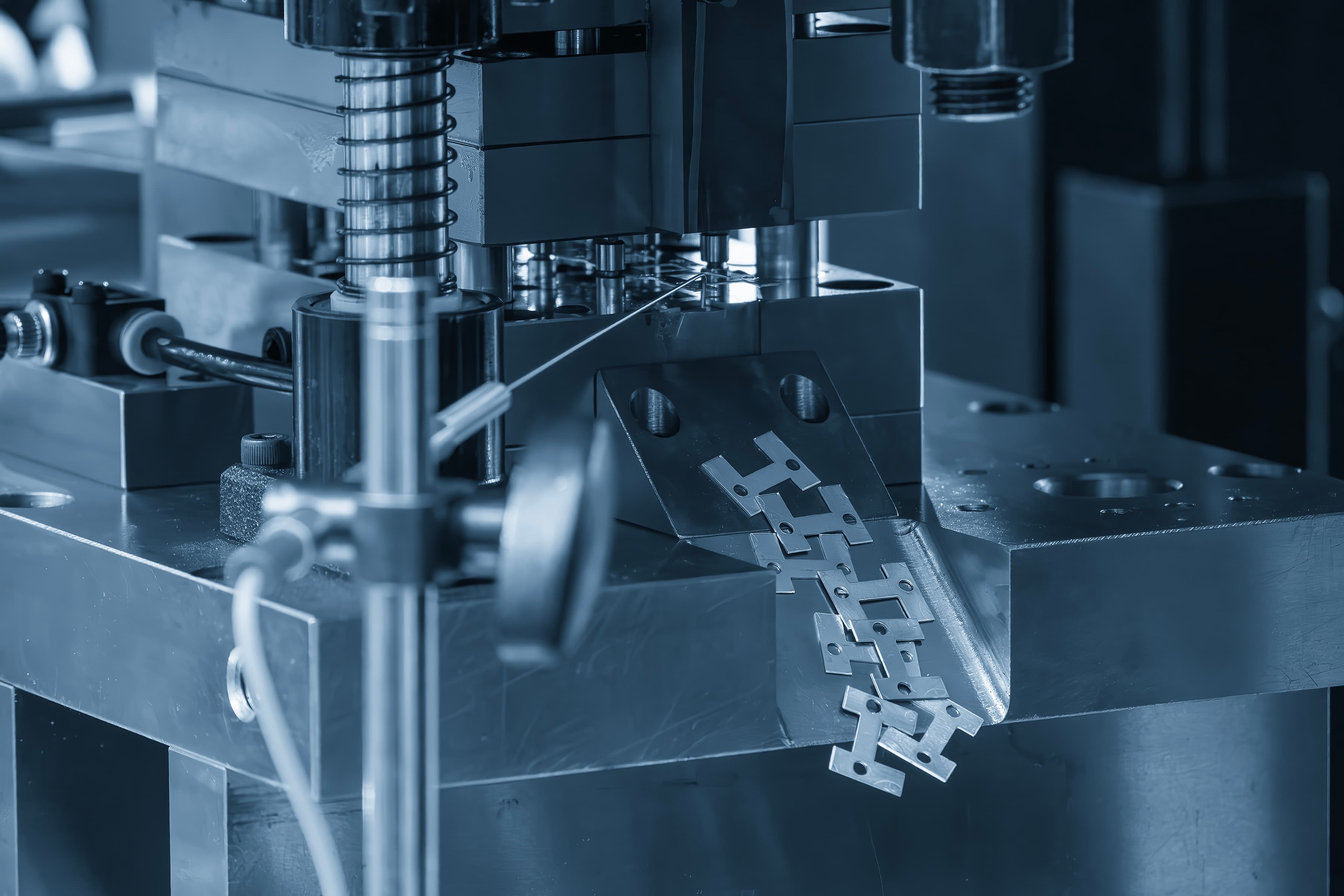
Stamping and forming options for repeatable production runs where dedicated tooling provides lower unit cost and faster cycle time.
Typical Cut Tolerance
±0.005"–±0.015"
Common sheet sizes supported for sheet cutting and fabrication planning.
Up to 48" x 96" (typ.)
Minimum slot/hole and detail capability depends on thickness and material.
Varies by thickness
Tube size ranges depend on OD, wall thickness, and bend radius requirements.
Defined by OD / wall
Support for prototypes through production with process-appropriate pricing.
1 – 100,000+ Parts
Upload your CAD and drawing for a DFM-first fabrication review.
Tolerances in metal fabrication depend on material, thickness, bend geometry, and how many forming steps are involved. Define critical dimensions and allow flexibility elsewhere to reduce cost and lead time.
| Feature | Technical Recommendation |
|---|---|
| Sheet Cut Tolerances | Sheet cutting in sheet metals typically holds ±0.005″ to ±0.015″ (±0.13 mm–±0.38 mm) depending on material and thickness. |
| Bend Angle Tolerance | Typical bend angle tolerance is ±1° for bends up to about 24″ (610 mm), and around ±2° for longer bends. Always check material and thickness. |
| Dimensional Stack-Up (Multiple Bends) | Allow for cumulative dimensional variance; two parallel bends may stack to ~±0.030″ (±0.76 mm) total variation from nominal. |
| Inspection & Measurement | For critical features, specify inspection points (hole pattern, bend-to-hole, overall envelope) and request reporting when needed (FAI / sample approval). |
Choose from production-grade metals and cuttable non-metals. Material selection impacts bendability, edge quality, corrosion resistance, electrical performance, and cosmetic finish.
Surface finishing improves corrosion resistance, wear life, and cosmetic appearance. Finishes should be selected based on environment, assembly requirements, and long-term durability.
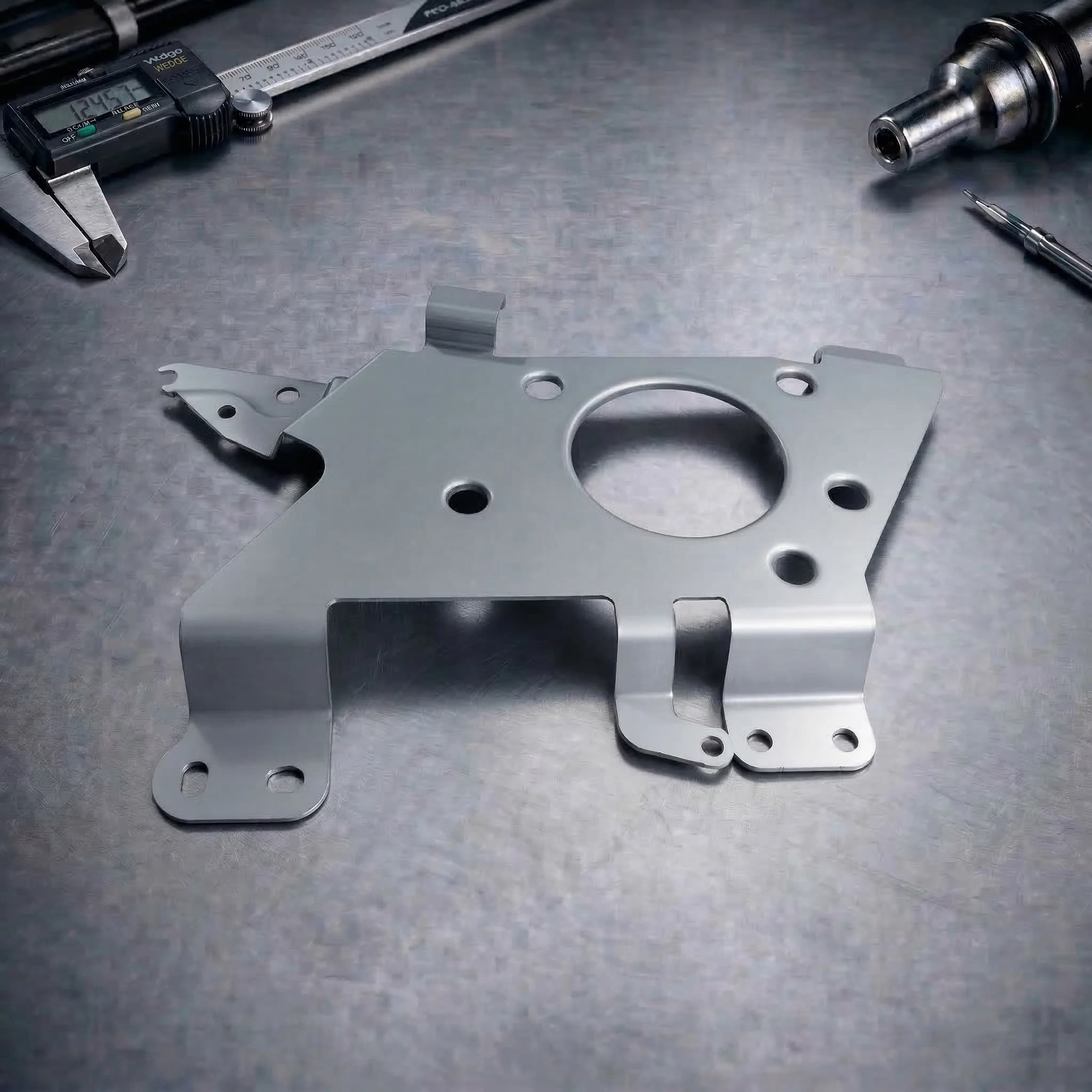
Sheet-cut and formed brackets, mounting plates, and panels with repeatable hole patterns and bend geometry for assemblies.
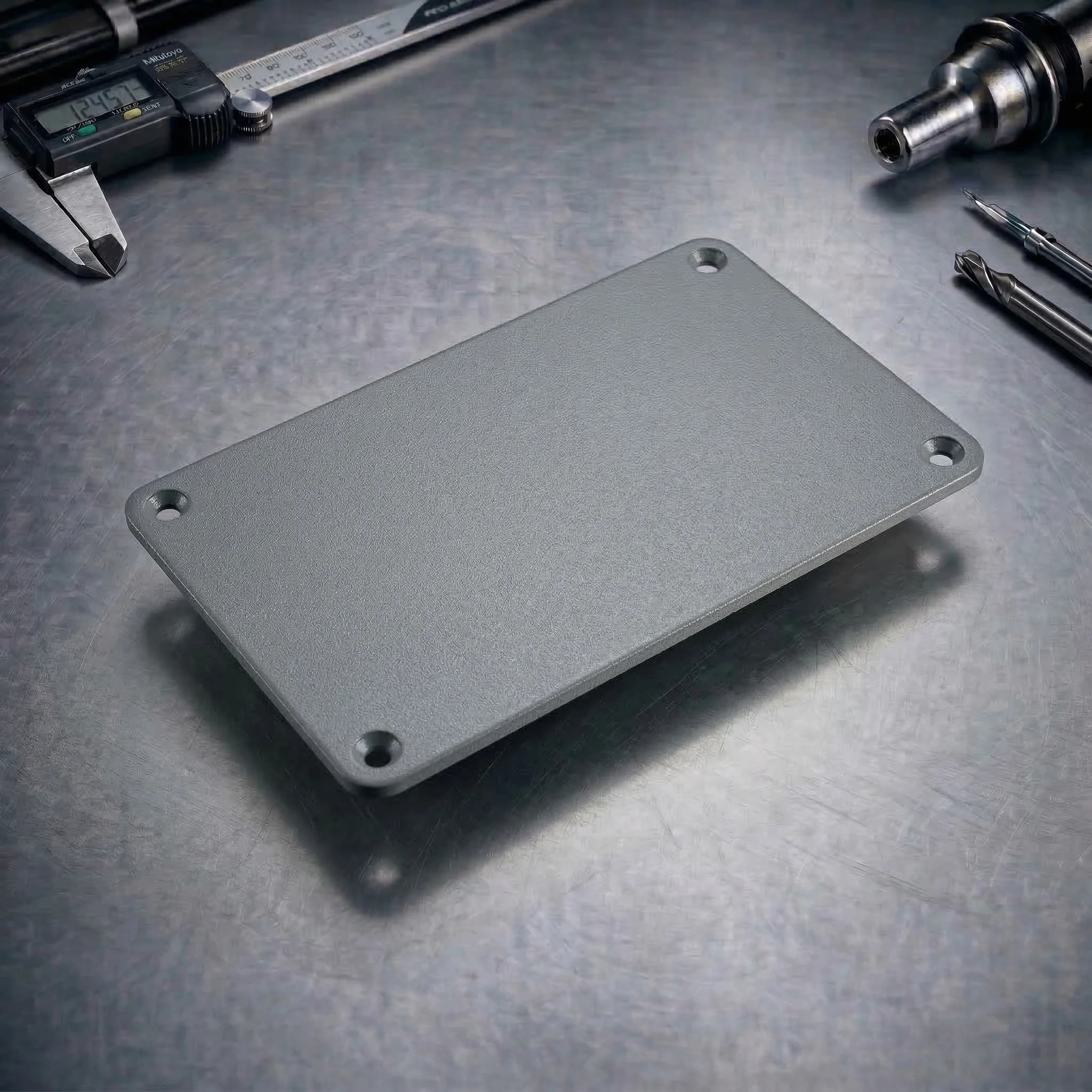
Sheet metal enclosures and machine guards designed for strength, stiffness, and finishing compatibility.
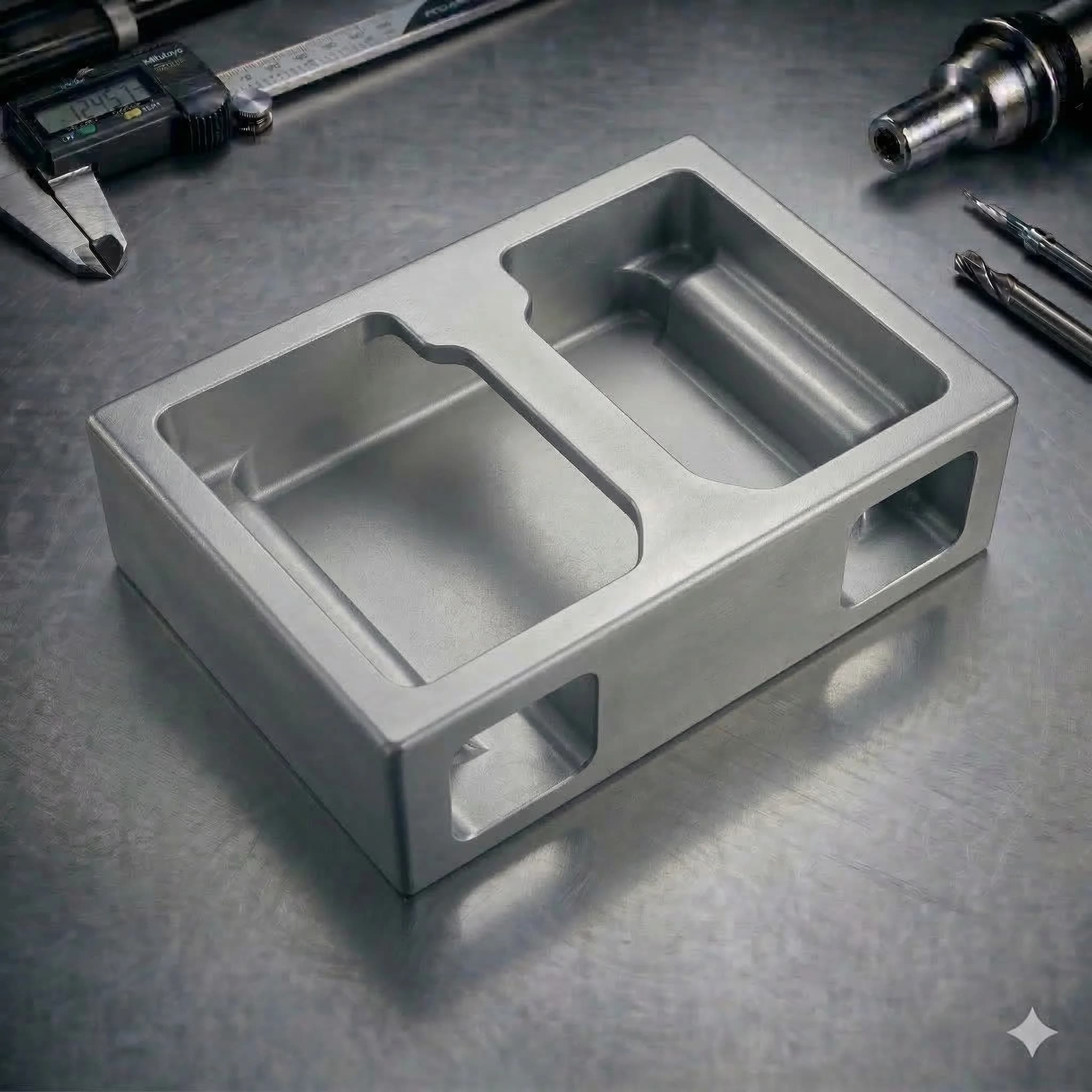
Tube cutting and bending for structural frames, routing, and welded assemblies requiring consistent geometry.
Production-ready fabricated components for OEM equipment, automation, and factory hardware.

Brackets, frames, and guards for robots and automated systems requiring accurate fit and repeatable assemblies.

Durable fabricated parts and assemblies for harsh environments where finish and corrosion resistance matter.


Upload your CAD files and drawings for a fast DFM-first review and quote.
Typical Response: Under 2 Hours