Precision
Tube Cutting
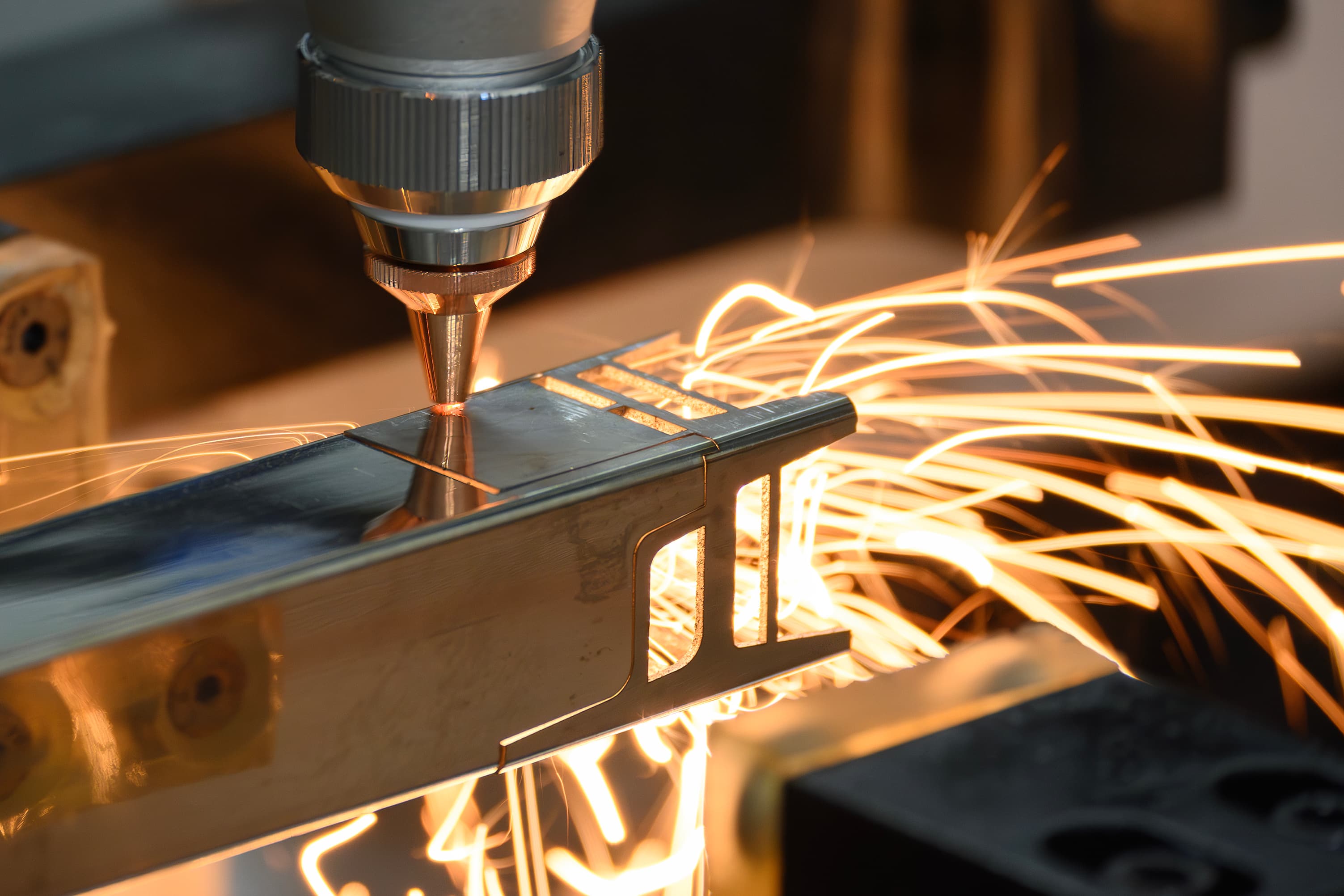
Tube and profile cutting for frames, weldments, racks, and structural assemblies. Clean edges, consistent lengths, controlled squareness, and optional notching—built for prototypes and scalable production.
Length Control
±0.25 mm (typ.)
Fast-Track
3–7 Days
Profiles
Round / Square / Rect.
Tube Cutting Services
Cut-to-Fit Tube Processing Built for Weldments and Assemblies
PREMSA delivers tube cutting designed around assembly success: consistent cut length, controlled squareness, and stable edge condition for reliable weld fit-up. We validate your cut list intent early to prevent scrap from missing allowances, incorrect overall lengths, or feature conflicts near tube ends.
Our approach is grounded in real fabrication constraints: clamp and support strategy, allowable distortion by method, burr/dross expectations, and datum/orientation control for patterned features. We focus on parts that align correctly in fixtures—without surprises during tack-up.
From rapid prototypes to production bundles, PREMSA supports kitting, part marking, optional end prep, and CTQ-driven verification. We prioritize the dimensions that matter: overall length, hole-to-end, notch-to-notch, and interface geometry for joints.
What is Tube Cutting?
Tube cutting is a precision-controlled manufacturing process used to cut tube or pipe to exact lengths and, when required, integrate features such as holes, slots, notches, and joint profiles. The process focuses on maintaining consistent length, end squareness, and edge condition so parts align correctly during welding and assembly.
Depending on tolerance targets and geometry, tube cutting may be performed using cold saw or band saw methods for tight length and squareness control, or laser tube cutting for feature integration, clocking accuracy, and complex profiles. It is the preferred solution for frames, weldments, racks, supports, and structural subassemblies where repeatability and fit-up speed are critical.
The Tube Cutting Workflow
A controlled engineering process optimized for weld fit-up, cosmetic quality, and production repeatability.
1. File Intake & Cut List Requirements
We receive drawings and cut lists and confirm profile type, dimensions, quantities, tolerances, and any orientation requirements (clocking, seam placement, cosmetic faces).
2. DFM Review for Features & End Distances
We validate hole/slot/notch feasibility, minimum end distances, collapse risk during clamping, and joint-prep geometry. We flag issues early (too-close features, tight radii, unsupported walls).
3. Method Selection & Risk Review
We choose the right method (cold saw, band saw, laser tube) based on tolerance targets, feature complexity, burr expectations, and downstream welding/finishing needs.
4. Setup & Datum Strategy
We define stop locations, gauging references, and orientation control so length, squareness, and feature clocking remain consistent across the batch.
5. Programming, Nesting & Sequencing (When Applicable)
For laser tube jobs, we program features and sequencing to manage heat input, pierce strategy, and cosmetics. We plan for stable yield and predictable cycle time across bundles.
6. Cutting & Feature Creation
Parts are cut to length and features are produced as specified. We manage kerf/heat input and control edge condition to protect fit-up and cosmetics.
7. Deburr, End Prep & Identification
Burr removal, dross cleanup, edge break, and end prep are applied as needed. Parts are labeled, bundled, or kitted to maintain traceability and orientation.
8. Inspection & Release
CTQ features such as overall length, squareness, and feature-to-end dimensions are verified using calibrated tools and fixtures. Lots are released after meeting requirements.
Cutting Methods & Capabilities
Laser Tube Cutting (When Applicable)
Integrated profiles, holes, slots, and notches with strong repeatability for assemblies—ideal when feature accuracy and speed matter.
Cold Saw Cutting
Clean, square cuts for production cut lists with excellent length control and minimal burr—great for weld-ready frames.
Band Saw Cutting
Flexible cutting for a wide range of tube sizes and alloys—ideal for lower volumes and mixed cut lists.
Notching & Joint Prep
Fishmouths, miters, copes, and fit-up cuts to improve weld penetration and alignment for tube intersections.
End Prep & Edge Conditioning
Deburr, edge break, and dross cleanup to protect handling safety, cosmetics, and consistent fit in fixtures.
Marking, Bundling & Kitting
Part IDs, orientation marks, and bundle/kitting strategy to keep assemblies organized and reduce build errors.
Technical Advantages
Consistent Length & Squareness
Controlled stops, setup strategy, and verification keep overall length and end squareness stable across the batch.
Faster Weld Fit-Up
Clean edges, predictable end condition, and optional joint prep reduce tack time and fixture adjustments.
Feature Accuracy Where It Matters
Hole/slot/notch locations are controlled to support alignment, hardware, and downstream assembly interfaces.
Reduced Rework & Scrap Risk
Early review catches allowance errors, end-distance issues, and clocking mistakes that commonly break assemblies.
Production Throughput
Repeatable setups and bundling/kitting keep lead times predictable from prototypes to production.
Inspection Aligned to Fit
Verification focuses on CTQ features like overall length, feature-to-end, notch-to-notch, and joint geometry.
Tube Capacity & Envelope
Profiles Supported
Round, square, and rectangular tube profiles are commonly supported. Pipe vs tube is reviewed based on spec and tolerance needs.
Round / Square / Rect.
Size Range
Supported size range depends on profile type and method. Larger profiles may require special support to maintain squareness.
Reviewed case-by-case
Length & Repeatability
Repeatability depends on method, stop strategy, and cut list complexity. Tight CTQ length control may require dedicated fixtures.
CTQ-driven per cut list
Tight Length Tolerances or Complex Notches?
If your parts have dense features near ends, tight length/squareness requirements, or joint-prep geometry, request a cut strategy review before release.
Cut Quality & Production Standards
Cut results depend on method, wall thickness, alloy, and fixturing. Defining critical-to-quality (CTQ) features (length, squareness, feature-to-end, clocking) helps control cost while protecting fit and downstream welding.
| Category | Technical Capability | Engineering Notes |
|---|---|---|
| Length, Squareness & End Condition | Length control and squareness depend on cutting method, stop strategy, blade condition (saws), and support. Tight specs may require fixtures and additional verification. | Call out CTQ length and squareness only where assemblies demand it. Over-constraining every cut increases cost without improving fit. |
| Edge Quality, Burr & Dross Control | Burr and dross vary by method and material. Deburr/edge break may be required for handling safety, cosmetics, or weld prep. | Specify edge requirements for cosmetic faces and weld joints. Otherwise, standard deburr may be sufficient. |
| Heat Input, Distortion & HAZ | Thermal processes can introduce heat-affected zones and minor distortion depending on wall thickness and cut density. Fixturing and sequencing reduce risk. | For tight cosmetic or dimensional requirements, consider method selection and spacing of features to reduce heat concentration. |
| Inspection, Traceability & Lot Control | Inspection focuses on CTQ features using calibrated tools and fixtures. Traceability can be maintained via labeling, bundle control, and lot identification when required. | Provide clear datums, orientation notes (clocking), and CTQ callouts to align inspection to real assembly interfaces. |
Tube Materials
Choose from production-grade tube materials commonly used for bent frames, structures, and tubular assemblies. Material selection impacts bend radius capability, springback behavior, ovality control, and finishing compatibility.
Metals (Tube / Pipe)
Specialty Materials (Case-by-Case)
Deburr, End Prep & Secondary Ops
For cut tube components, secondary operations are often driven by weld fit-up, handling safety, identification, and finishing requirements. Edge conditioning, secondary machining, and organized packaging help improve assembly throughput and part traceability.
Finish Options
Tube Cutting DFM Guidelines (DFM)
Tube manufacturability is driven by wall thickness, end distance rules, feature density, and orientation/clocking control. Following these DFM rules reduces scrap, protects cosmetics, and improves repeatability in production.
| Design Feature | Recommendation |
|---|---|
| Slots/Holes to End Distance | Keep features away from tube ends to reduce collapse risk and distortion during clamping/cutting. Add end distance or adjust sequence when features must be close. |
| Feature Spacing, Rotation & Datums | Define clear datums and clocking for patterned features. Rotation control prevents misalignment in fixtures and ensures consistent hole-to-face relationships. |
| Entry/Exit Marks & Cosmetic Faces | Specify cosmetic faces and preferred pierce/exit strategy when cosmetics matter. Mark/zone constraints help avoid visible witness marks. |
| Kerf, Heat Input & Allowances | Account for kerf and method-specific effects. Thermal cutting may introduce minor HAZ; saw cutting requires blade kerf allowances on cut lists. |
| Weld Fit-Up & Joint Prep | Specify joint requirements (gap, bevel, penetration) and consider notching/cope geometry to reduce fit-up time and improve alignment. |
| Drawing & Cut List Checklist | Provide overall lengths, tolerances, profile callouts, feature-to-end dimensions, rotation/clocking notes, CTQ callouts, and part IDs. Include bundle/kitting requirements when needed. |
Applications & Industries
Tube Cutting Applications
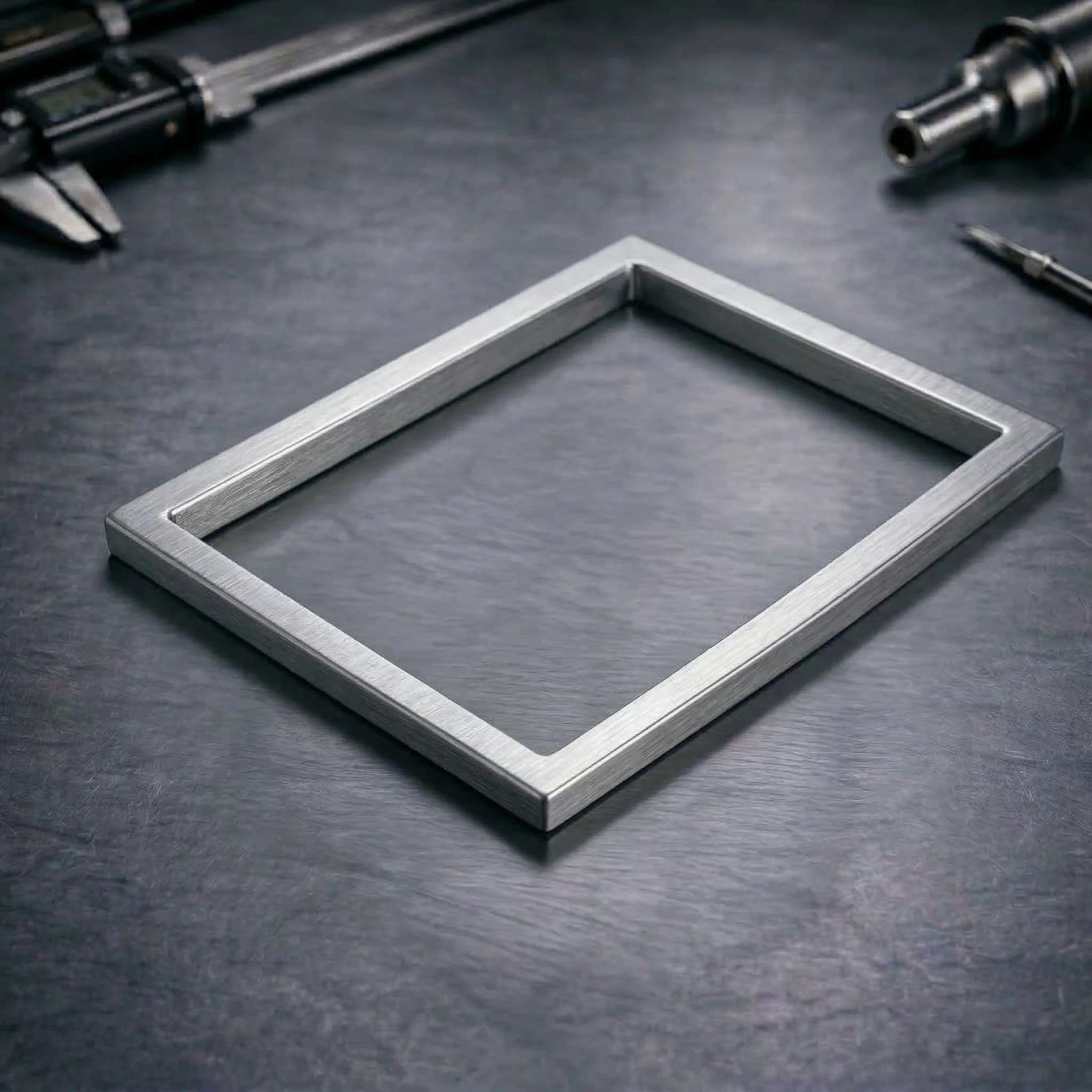
Frames & Weldments
Cut-to-fit tube members with consistent length and squareness to speed fixture assembly and welding.
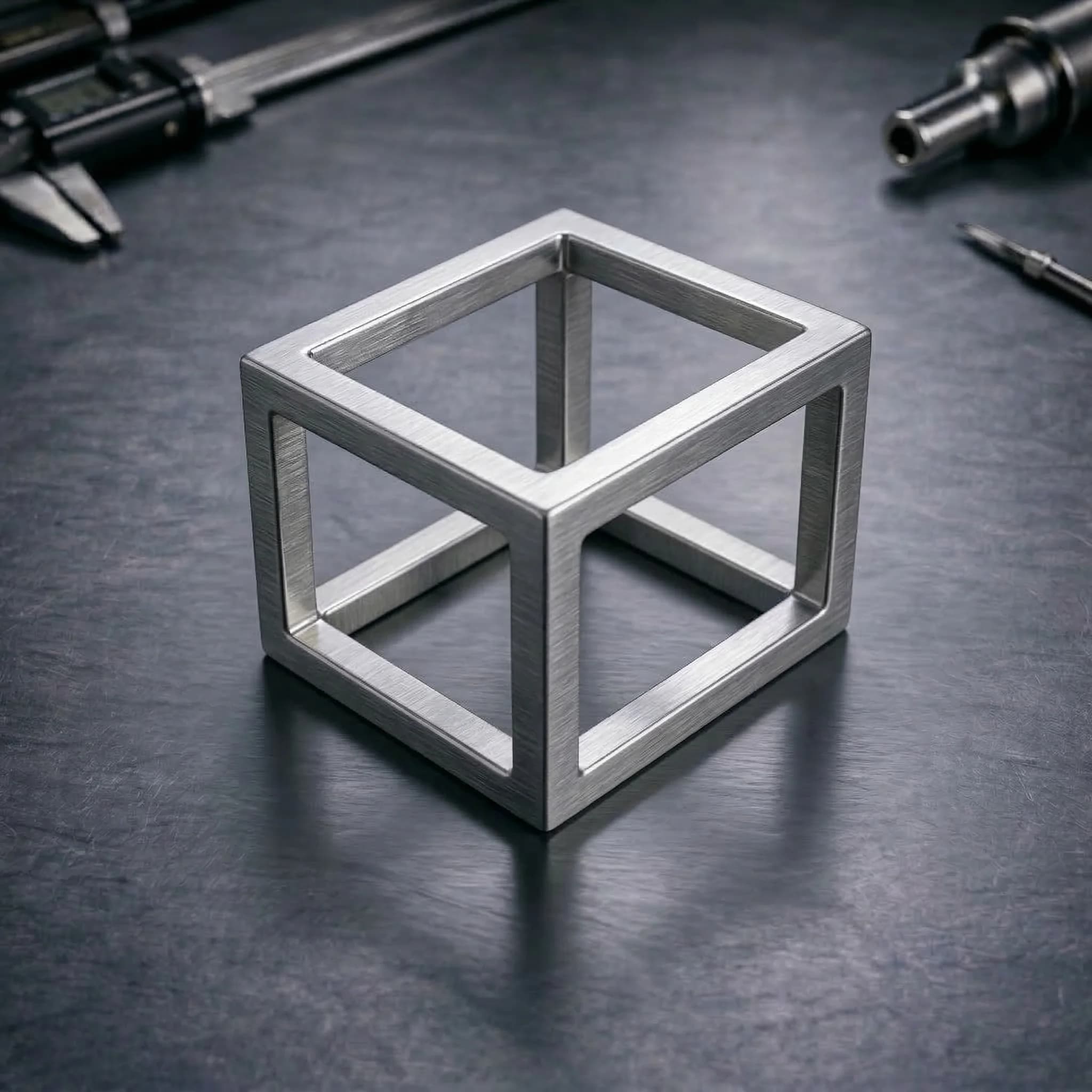
Racks, Stands & Supports
Production tube parts with repeatable hole patterns and notch geometry for modular builds.
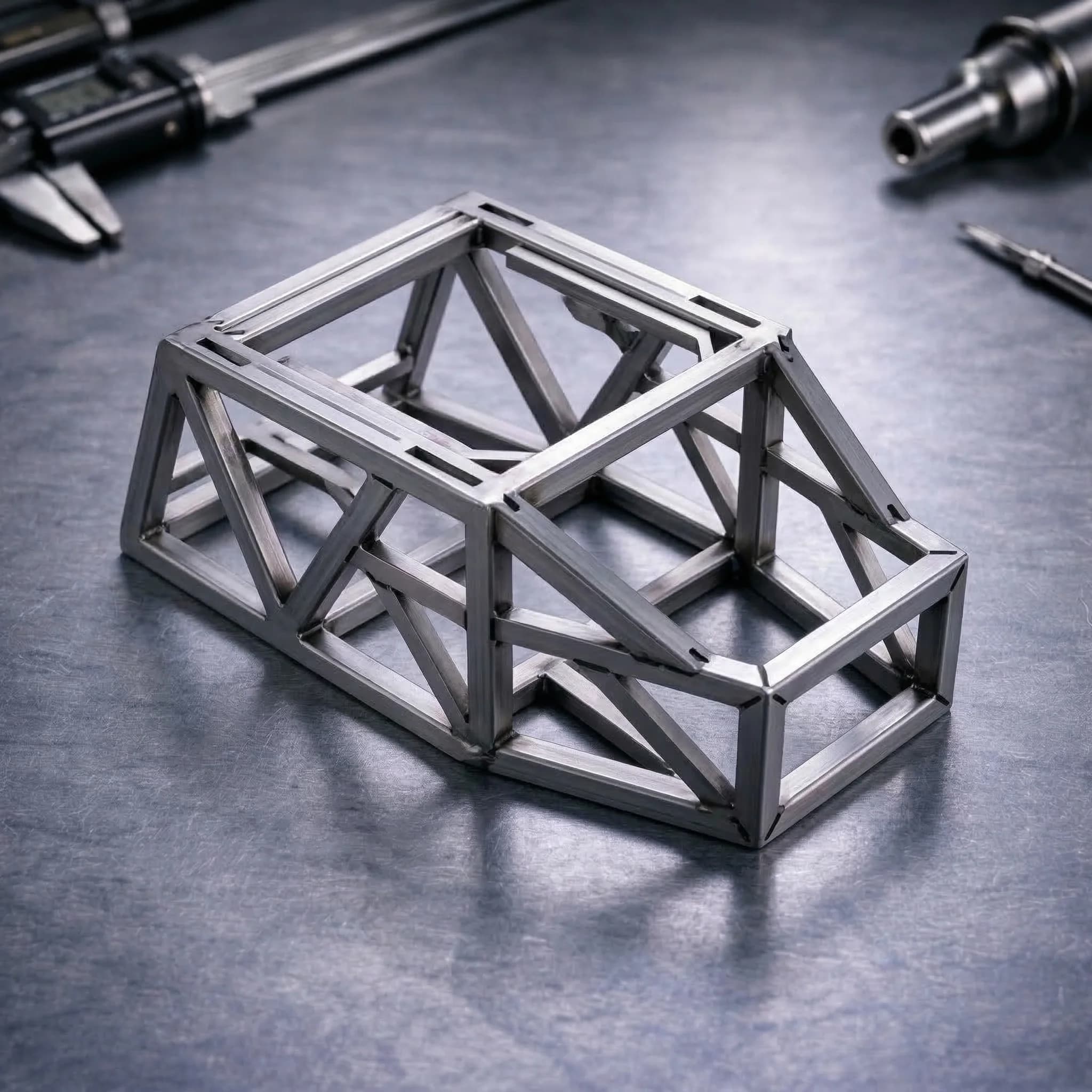
Guards, Carts & Structures
Tube components designed for durability and consistent fit-up across batches and revisions.
Tube Cutting Industries
Automotive
Precision tube cutting for chassis components, structural supports, exhaust systems, and welded vehicle assemblies.

Robotics
Laser-cut tubular frames, support structures, and precision profiles used in robotic cells and automation equipment.

Supply Chain
Tubular components used in racking systems, material handling equipment, carts, and warehouse infrastructure.

FAQs & Knowledge Base
Tube Cutting FAQs

Ready to cut production-ready tube components?
Upload drawings and cut lists for a fit-up-backed quote. We’ll review end-distance rules, clamp/clocking requirements, cut method selection, burr control, and CTQ callouts to deliver tube parts that assemble right.
Engineering Review: Under 2 Hours