Home/Capabilities/Custom Plastic Part Production Services
Built for Repeatability

Plastic Part Production

Injection molding engineered for stable dimensions, clean cosmetics, and scalable output—supported by DFM, polymer selection, and inspection planning.

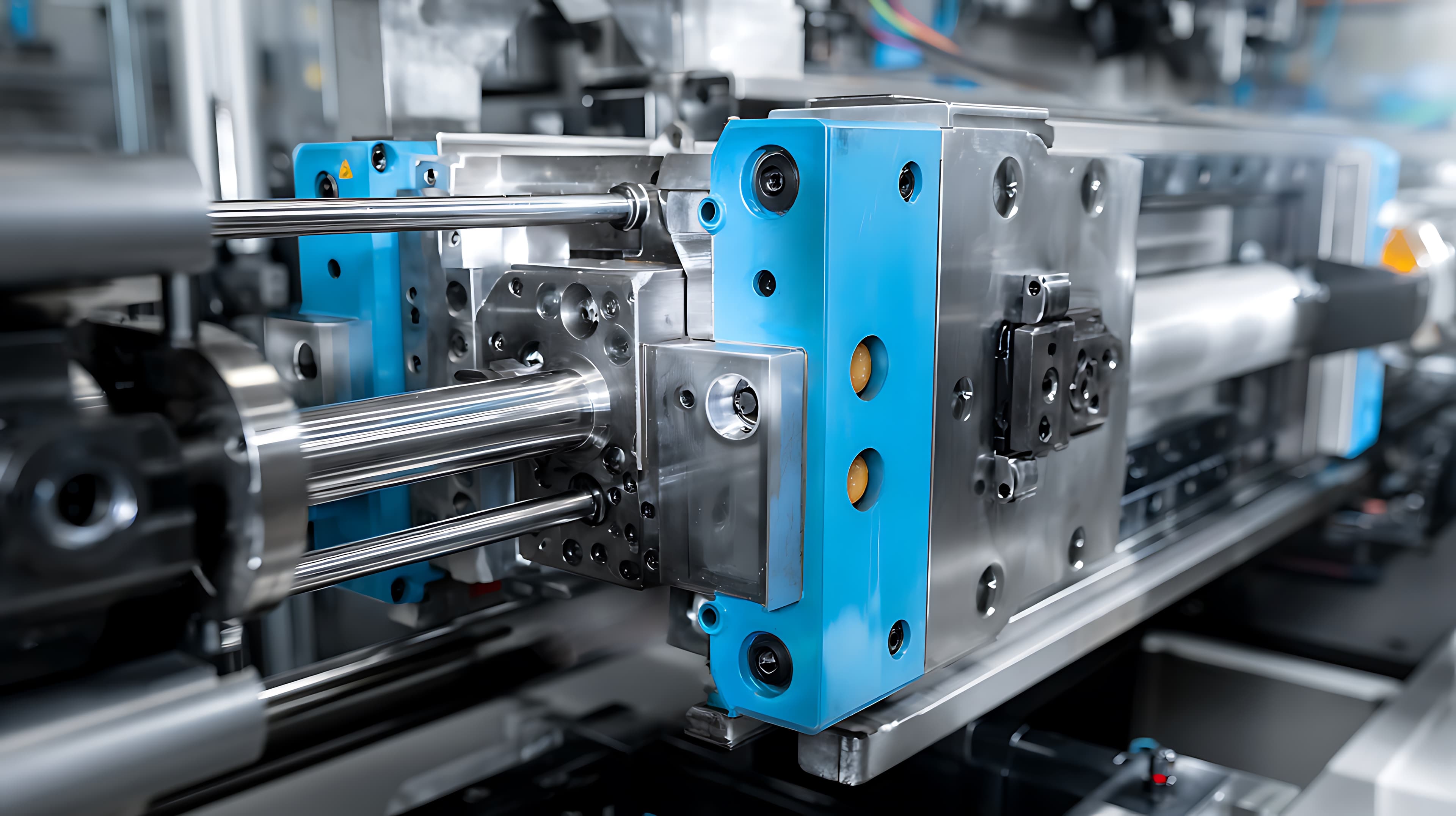
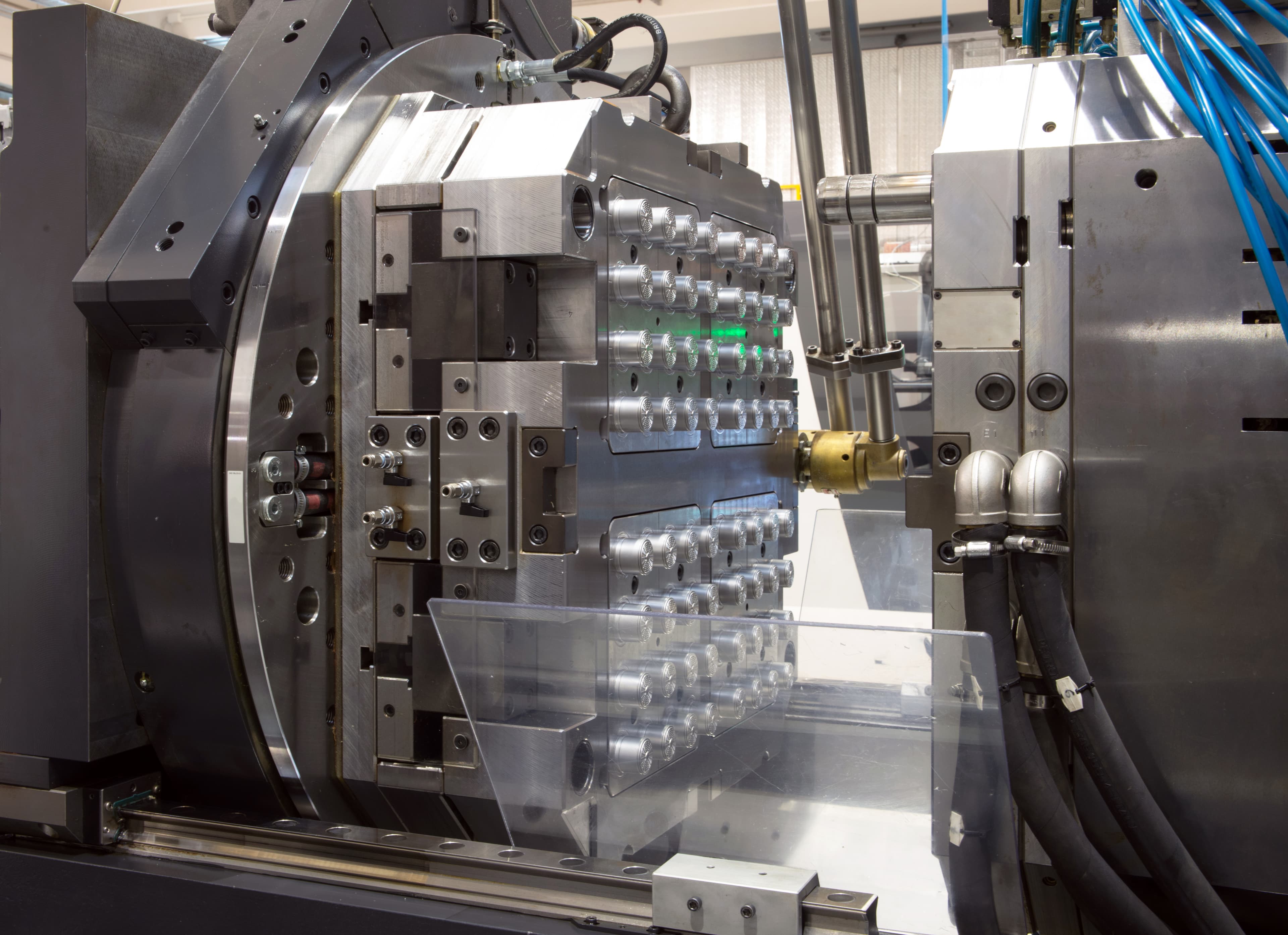
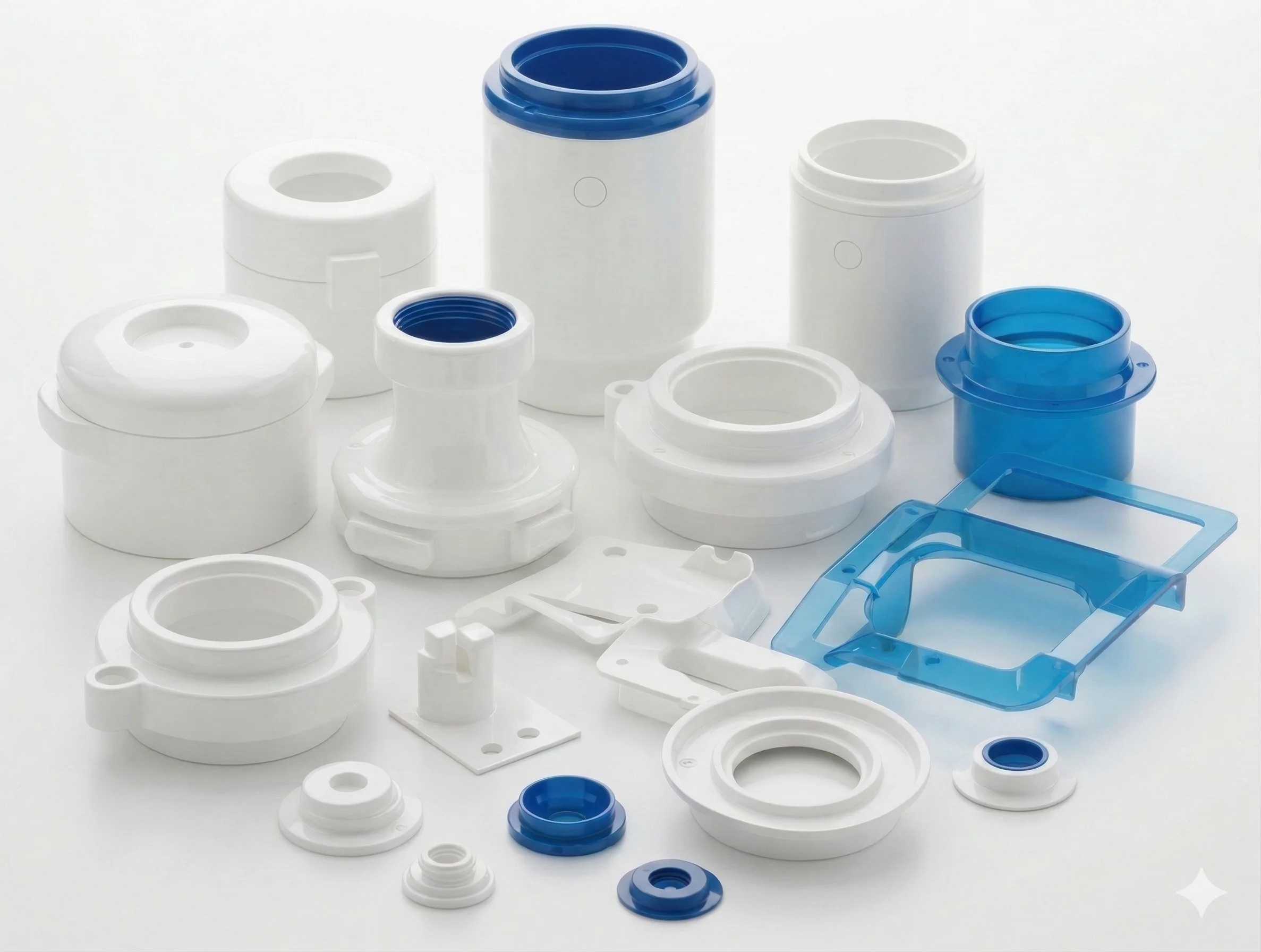
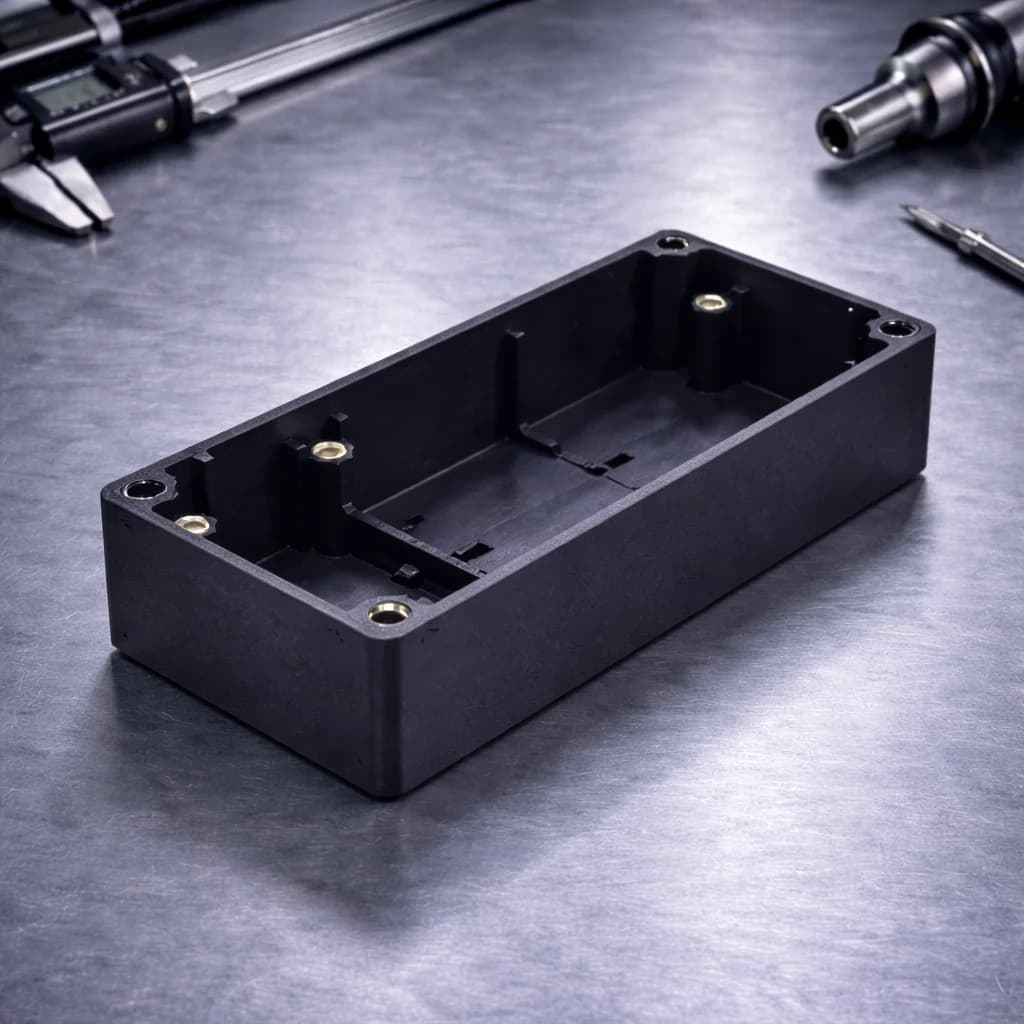
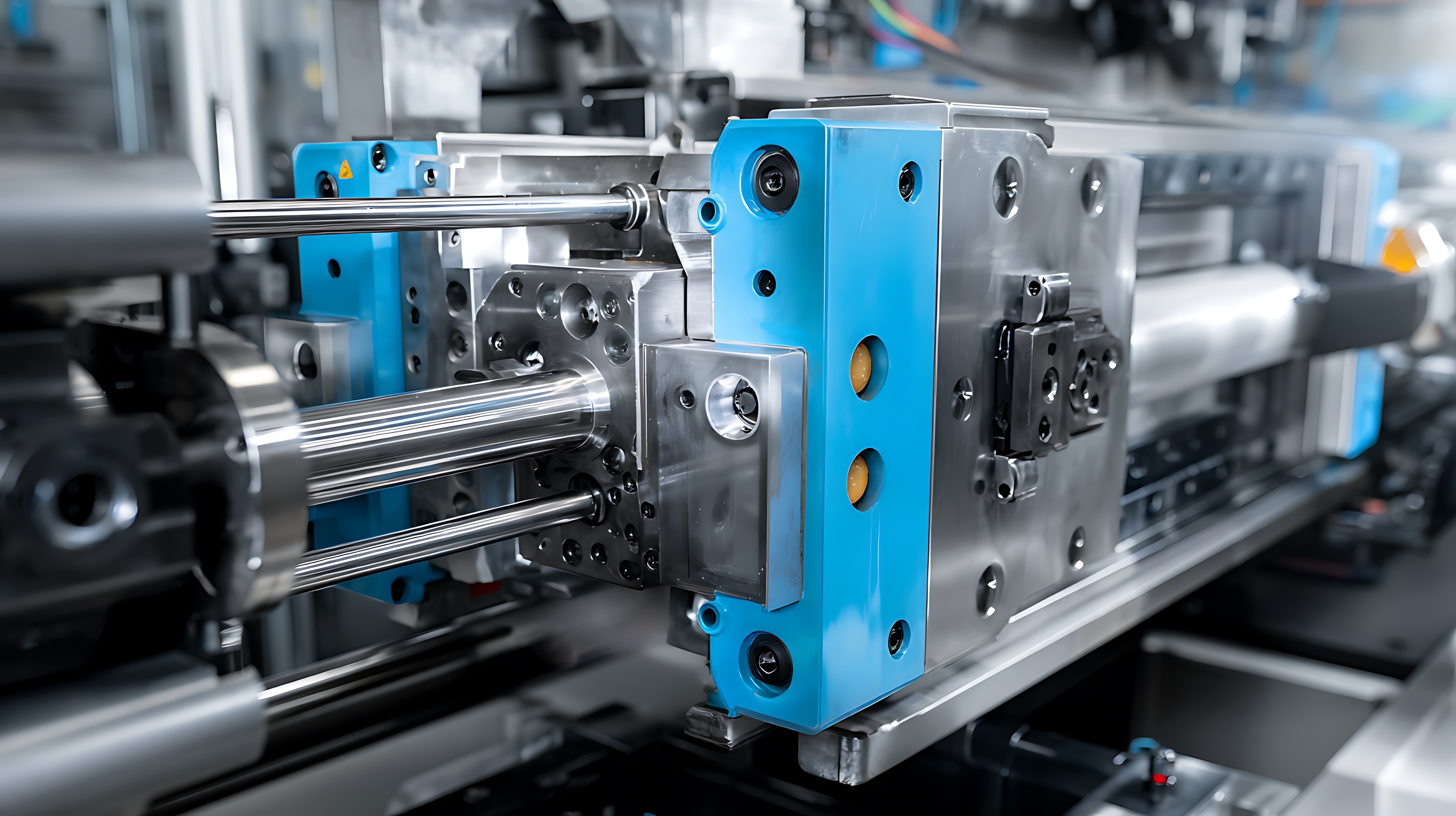
Injection molding producing precision plastic components for production assemblies

Typical Tolerance

±0.10–0.25 mm

Tooling Lead

2–6 Weeks

Program Scale

100 – 1M+ Pcs

PREMSA Plastic Part Production

Engineering-led injection molding programs—from prototype tools to production scale.

PREMSA delivers plastic part production for teams that need predictable fit, stable dimensions, and consistent cosmetics. We build programs around the realities of molding: polymer shrink behavior, gate strategy, ejection, and tool design.

Our quoting stage includes molding-focused DFM—draft, wall uniformity, ribs/bosses, parting line, gating, and insert/overmold considerations. This reduces tooling rework and avoids surprises at first shot.

From early prototypes to long-running production programs, PREMSA focuses on repeatability with documented specifications, controlled process windows, and clear communication from sampling through ongoing production.

How PREMSA Works

From CAD upload to stable production runs.

app.premsaindustries.com/viewer

DFM Review

Transparent program flow so you know exactly what happens from design to production.

System Status20% Complete

Plastic Part Production

What is Plastic Part Production?

Plastic part production is the manufacturing of components made from thermoplastics and elastomers using repeatable processes designed for consistent output. For most end-use programs, injection molding is the primary method because it produces parts with stable geometry, good cosmetics, and low cost-per-part at scale.

Successful plastic production depends on more than a mold: polymer selection, shrink prediction, gate strategy, venting, cooling, and ejection all influence dimensional stability and surface quality. A strong DFM step aligns the part design with tooling and processing to reduce risk and achieve consistent results.

How Plastic Part Production Works

1. Part DFM & Requirements

We validate draft, wall thickness, ribs/bosses, parting line, shutoffs, and critical dimensions. Cosmetic zones, fit interfaces, and functional requirements are aligned upfront.

2. Polymer Selection

We confirm polymer family and grade (e.g., ABS, PC, PA, PBT, PP, TPE) based on mechanical loads, temperature, impact resistance, chemical exposure, and dimensional stability.

3. Tooling Strategy & Cavitation

We define tool type, steel class, cavitation strategy, and expected tool life based on volume, tolerances, and long-term production needs.

4. Tooling Design & Build

Tool design defines gating, venting, cooling, and ejection strategy. Tool construction and surface finishing establish cosmetic potential and process robustness.

5. First Shots & Sampling

Initial samples are molded and reviewed for dimensions, warpage, gate vestige, cosmetic appearance, and functional fit against requirements.

6. Process Window Definition

Processing parameters are adjusted to establish a stable operating window that balances dimensional control, cosmetics, and cycle time.

7. Inspection & Validation

Critical features are inspected per the agreed plan. First-article reports and validation steps are completed as required by the program.

8. Production & Ongoing Control

Approved programs move into controlled production with defined parameters, traceability options, packaging standards, and repeatable output.
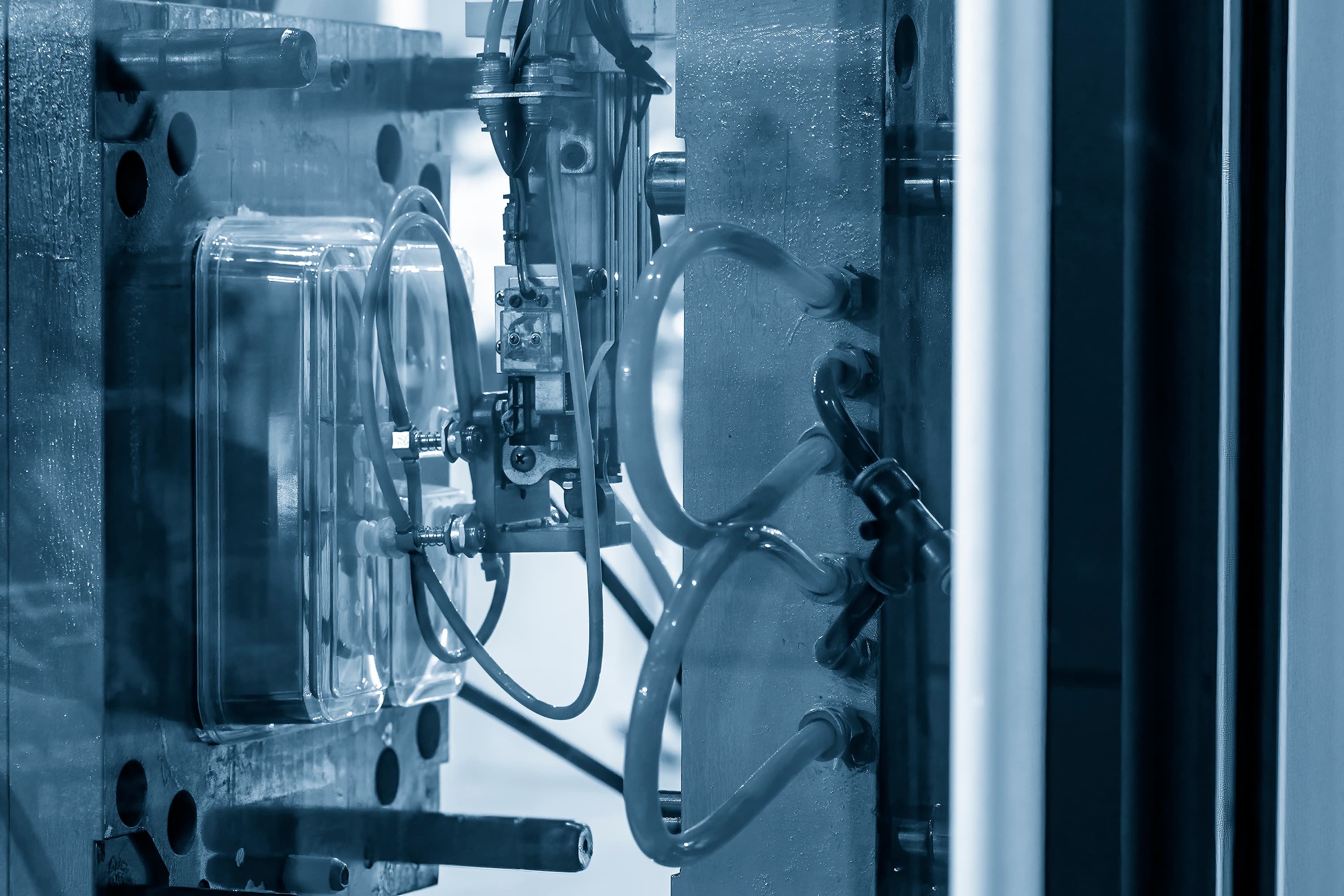
When to Choose Plastic Part Production

Cost-Per-Part Must Drop at Scale

Injection molding is ideal when volume drives unit economics and you need repeatability beyond what additive manufacturing or machining can offer.

Consistent Cosmetics & Textures

When surface appearance matters—texture, gloss, and uniformity—molding provides a stable cosmetic baseline if tool finish and processing are controlled.

High Repeatability for Assemblies

Molding supports consistent snap fits, ribs, bosses, and assembly geometry when shrinkage and warpage are engineered from the start.

Integrated Functional Features

Choose molding to integrate clips, living hinges, ribs, and functional details that reduce secondary operations and assembly steps.

Overmolded or Inserted Components

Molding is well suited for parts requiring soft-touch overmolds, sealing features, or metal inserts captured reliably at production volumes.

Material Performance Drives Design

Select molding when polymer-specific properties—impact resistance, chemical compatibility, temperature stability, or flexibility—are critical to part performance.

Plastic Part Production Services

A focused service stack for injection molding programs—built to support prototypes, production, and advanced molding features.Each program is aligned to DFM, polymer behavior, and cosmetic + dimensional targets.

Service 01
End-Use Programs

Plastic Injection Molding

Production-ready injection molding for thermoplastics and elastomers with controlled processing, consistent cosmetics, and inspection planning. Optimized for stable dimensions, repeatability, and scalable output.

View Details
Plastic Injection Molding

Program Focus

DFM → Tooling → Production

Service 02
Fast Tooling & Validation

Prototype Molding

Prototype molding to validate geometry, fits, and basic cosmetics before committing to full production tooling. Designed to shorten iteration loops while keeping polymer behavior realistic.

View Details
Prototype Molding

Program Focus

DFM → Tooling → Production

Service 03
Stable Long-Run Output

Production Molding

Production programs with defined process windows, controlled parameters, and consistent inspection plans. Ideal for recurring releases, steady demand, and high-volume programs.

View Details
Production Molding

Program Focus

DFM → Tooling → Production

Service 04
Multi-Material Parts

Overmolding

Overmolding combines substrates with elastomer layers for grip, sealing, vibration damping, and soft-touch surfaces. We design for adhesion strategy, shutoffs, and cosmetic edges.

View Details
Overmolding

Program Focus

DFM → Tooling → Production

Service 05
Metal Inserts & Capture

Insert Molding

Insert molding captures metal or engineered inserts during molding for threads, strength, grounding, or assembly. We design for retention, thermal behavior, and repeatable placement.

View Details
Insert Molding

Program Focus

DFM → Tooling → Production

Capability Benchmarks

Work Envelope & Capabilities

Program Range

Support for prototype through long-run production programs with sampling and controlled production ramps.

Prototype → High-Volume

Cosmetics & Surface Control

Tool finish options from functional surfaces to controlled cosmetic finishes and textures when specified.

Texture / Gloss / Matte

Advanced Molding Features

Programs that require inserts, overmolded seals/grips, and feature consolidation for assembly-friendly designs.

Overmold + Inserts

Not sure if your part is mold-ready?

Upload your CAD and we’ll run a molding-focused DFM review to flag risks and recommend next steps.

Tolerances & GD&T

Injection molding tolerances depend on polymer family, part geometry, gate/cooling strategy, and tool construction. Clear requirements help align cost, risk, and inspection strategy.

CategoryTechnical DescriptionTypical Notes
Dimensional ExpectationsTypical molded parts are controlled by polymer shrink behavior and part geometry. Critical features require stable datums, balanced fill, and robust cooling.

Define critical-to-function dimensions; avoid over-specifying non-functional dimensions.

Shrinkage & Warpage StrategyShrink varies by polymer family and can change with fiber orientation, wall thickness variation, and cooling imbalance. Warpage risk rises with long flat spans and non-uniform walls.

Uniform wall thickness and symmetric geometry reduce warp; gating/cooling strategy matters.

Cosmetics & Surface CriteriaCosmetics are affected by weld lines, flow fronts, sink, gate vestige, and ejection marks. Tool finish controls texture/gloss potential.

Specify cosmetic zones and acceptance criteria; allow non-cosmetic areas for functional marks.

Inspection & ReportingInspection ranges from sampling critical features to full dimensional reports depending on program needs and risk profile.

We can support first-article reports and ongoing sampling plans as required.

Process Validation (as needed)Programs with higher risk may require documented process controls and validation approaches (e.g., sampling plans, capability checks) depending on customer requirements.

If you have a required format or standard, include it in the RFQ so we align early.

Best Practice: Define CTQ dimensions + cosmetic zones upfront

Polymers & Materials

Polymer selection drives strength, impact performance, temperature resistance, chemical compatibility, dimensional stability, and cosmetic quality. Share your environment, load case, regulatory needs, and end-use requirements so we can recommend the best material family and grade for your program.

Commodity Polymers

Engineering Polymers

High-Performance Polymers

Elastomers (TPE / TPU)

Secondary Operations & Finishing

Beyond molding, production programs often require controlled cosmetic finishes, trimming, assembly steps, hardware installation, traceability, and packaging support to deliver production-ready parts that integrate cleanly into downstream operations.

Secondary Operations & Finishing

Injection Molding DFM (DFM)

Molding DFM reduces tooling revisions and improves yield. These guidelines focus on shrink/warp control, ejection reliability, and cosmetic predictability.

Design FeatureTechnical Recommendation
Draft & Pull DirectionAdd draft on vertical faces to release cleanly from the tool. More draft is recommended on textured surfaces. Align pull direction with critical cosmetic faces when possible.
Wall Thickness & UniformityMaintain uniform wall thickness to reduce sink and warpage. Avoid abrupt thickness transitions; use smooth blends and coring to keep mass consistent.
Ribs, Bosses & StiffeningUse ribs for stiffness instead of thick walls. Bosses should be supported with ribs/gussets and designed to avoid sink on cosmetic faces.
Gates, Parting Line & EjectionGate location affects weld lines, flow fronts, and cosmetics. Keep parting line and ejector marks out of cosmetic zones or define acceptance criteria.
Undercuts, Slides & LiftersUndercuts add tool complexity, cycle time, and risk. Minimize undercuts or design for simpler shutoffs when possible.
Designing for Overmolding & InsertsFor overmolds, define adhesion vs mechanical lock strategy and protect cosmetic edges. For inserts, design capture features and consider thermal expansion and placement repeatability.

Applications & Industries

Plastic Part Production Applications

Housings & Enclosures

Housings & Enclosures

Injection molded housings for electronics, sensors, and controls—designed for stable assembly interfaces, cosmetic consistency, and repeatable fit.

Clips, Covers & Internal Hardware

Clips, Covers & Internal Hardware

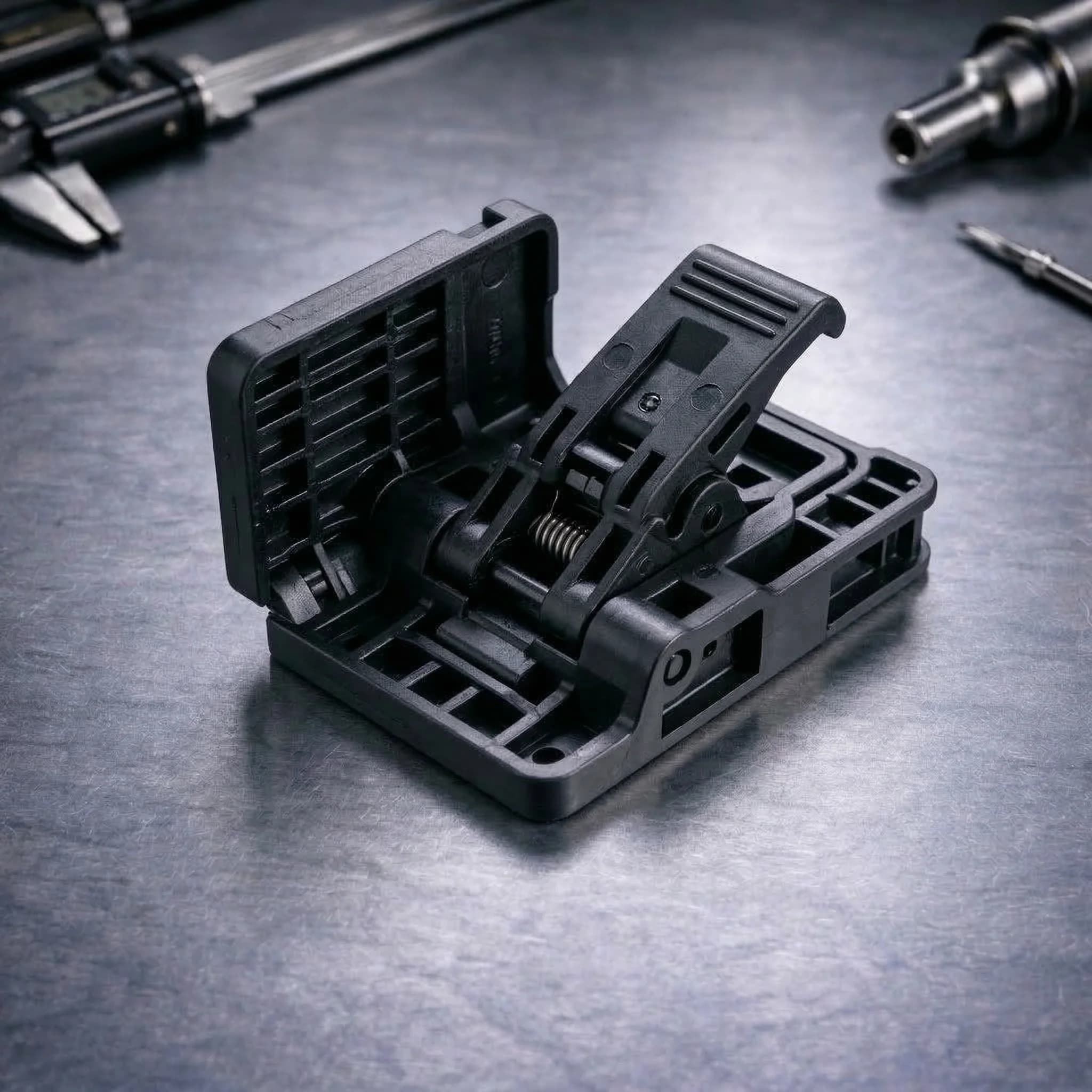
Functional parts with ribs, snaps, bosses, and feature consolidation that reduce assembly steps and improve repeatability.

Sealing, Grip & Soft-Touch Components

Sealing, Grip & Soft-Touch Components

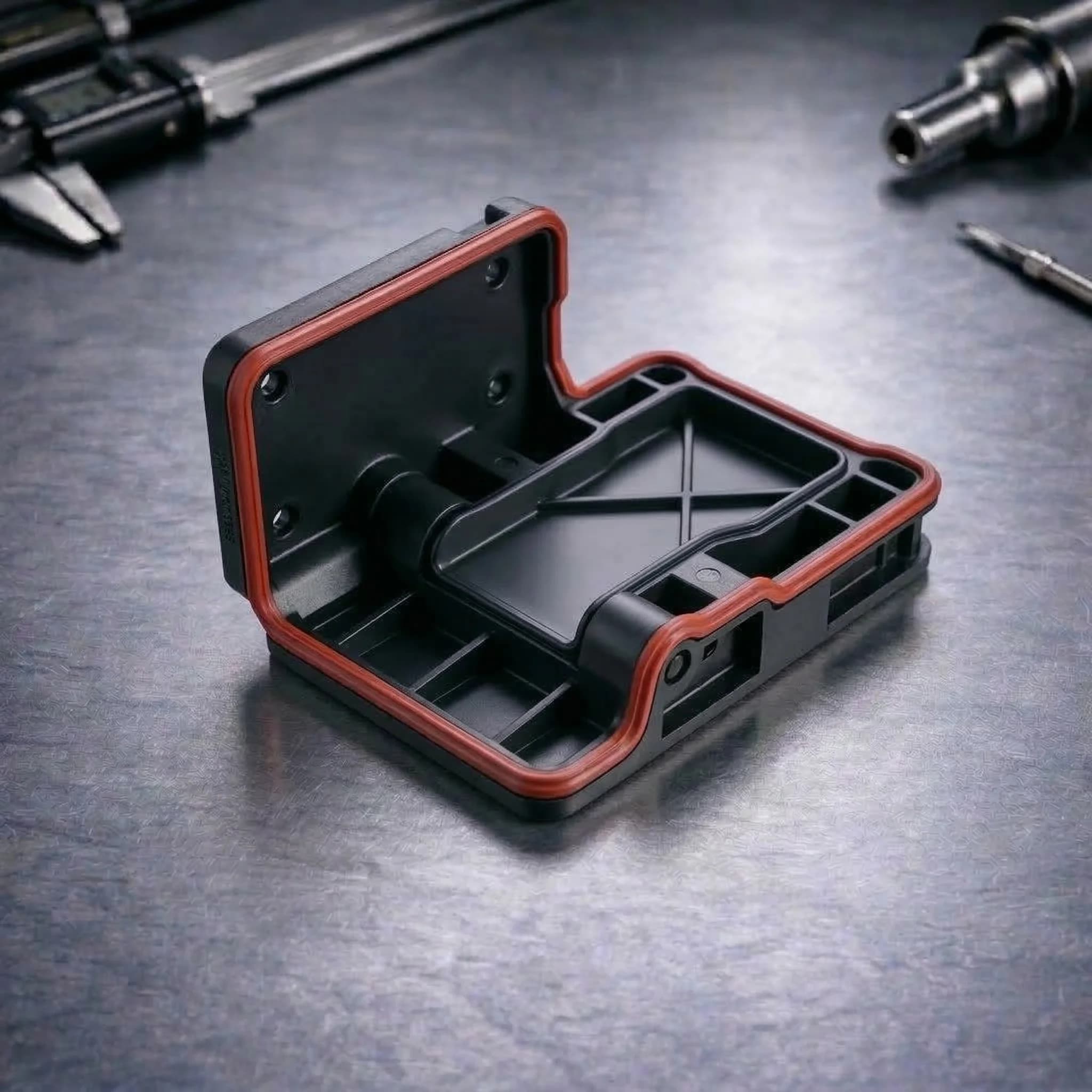
Overmolded grips and sealing surfaces that improve ergonomics, damp vibration, and support environmental sealing requirements.

FAQs & Knowledge Base

Plastic Part Production FAQs

PREMSA

Ready to start your plastic part production program?

Upload your CAD and requirements for a molding-focused DFM review and a clear path to prototype or production.

Typical Response: Under 6 Hours