Home/Capabilities/Custom Additive Manufacturing Services
Prototype → Production Ready

Additive Manufacturing

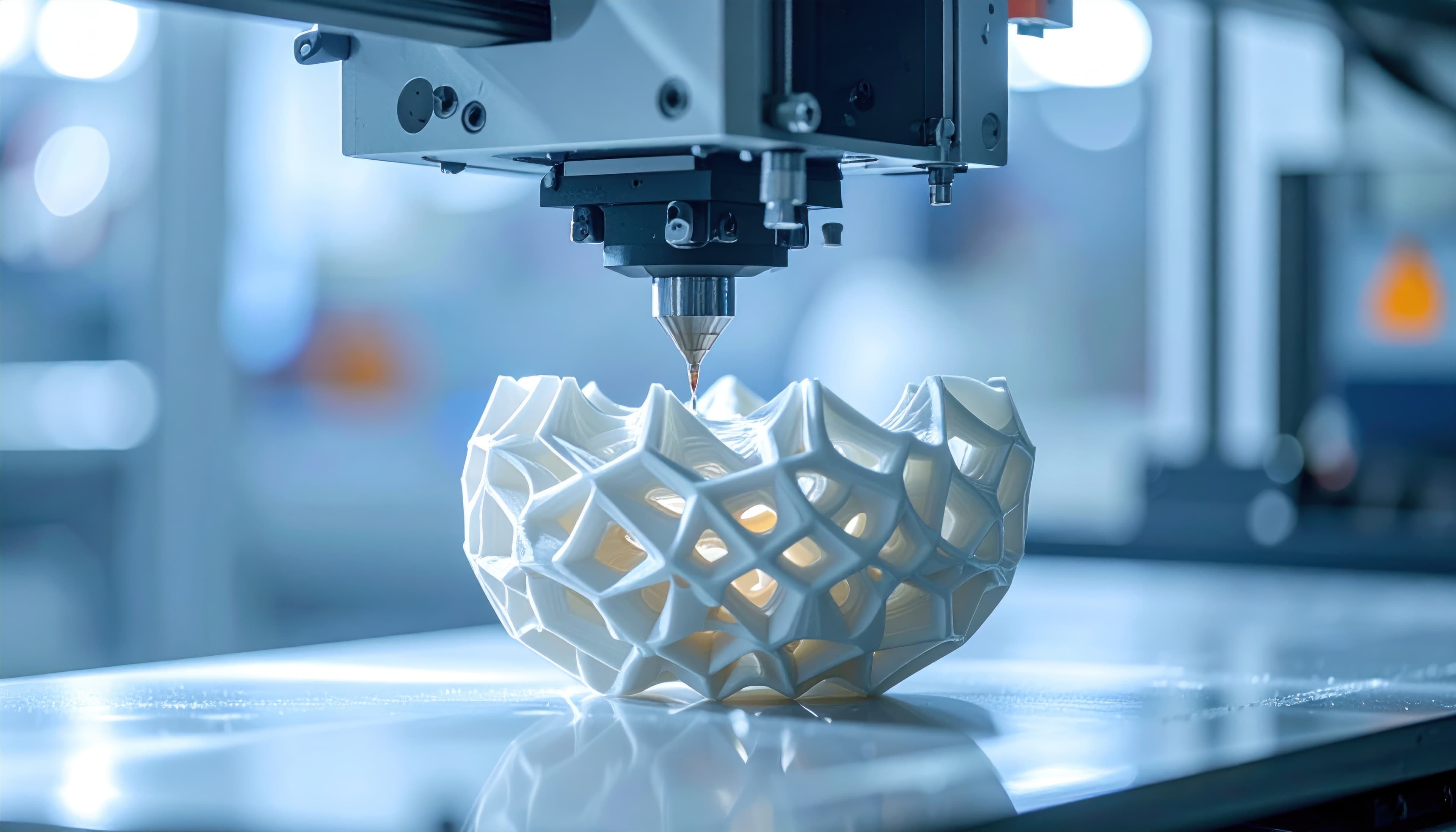
3D printing engineered for accuracy, functional performance, and repeatable output—supported by orientation strategy, material selection, and post-processing control.

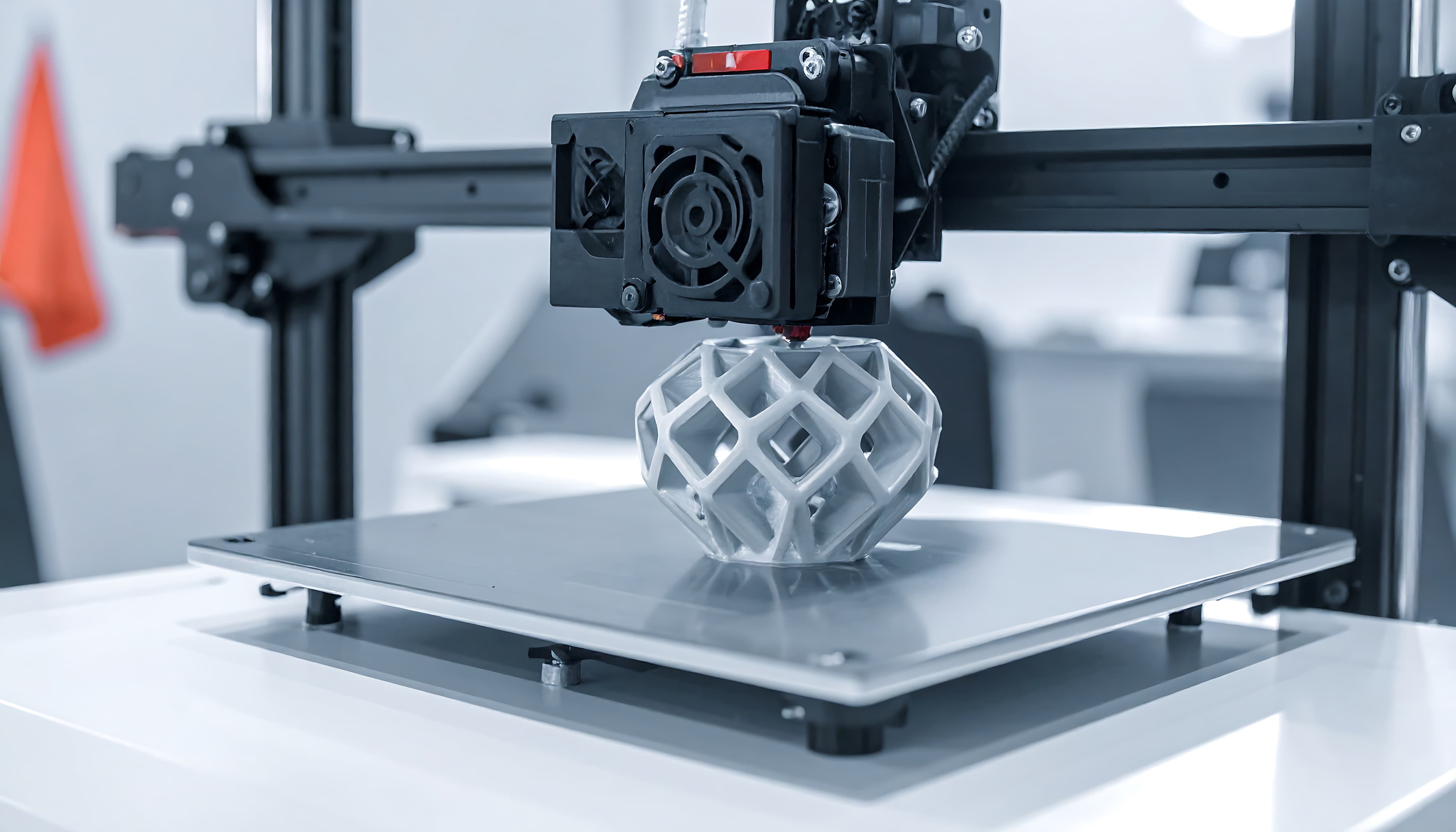
Industrial additive manufacturing producing precision 3D printed components

Typical Tolerance

±0.10–0.30 mm

Typical Lead Time

1–5 Days

Program Scale

1 – 10k+ Pcs

PREMSA Additive Manufacturing

Why Choose PREMSA for Custom 3D Printed Parts

PREMSA delivers additive manufacturing for teams that need fast iteration without sacrificing fit, function, or reliability. We help you select the right process—FDM, SLA/DLP, SLS, MJF, or metal printing—based on mechanical needs, cosmetic targets, and production intent.

Our quoting stage includes DFAM guidance—orientation, support strategy, minimum feature checks, hole/thread planning, and surface zone definition. This reduces print failures, improves dimensional outcomes, and avoids surprises after post-processing.

From single parts to production lots, PREMSA focuses on repeatability with clear specs, controlled finishing steps, and an inspection plan aligned to the features that matter most.

How PREMSA Works

From CAD upload to shipped parts—fast and transparent.

app.premsaindustries.com/viewer

DFAM Review

A structured flow so you know what happens from design to delivered parts.

System Status20% Complete

Additive Manufacturing

What is Additive Manufacturing?

Additive manufacturing (AM) produces parts by building material layer-by-layer rather than removing material (machining) or forming it in a mold. This makes AM ideal for fast iteration, complex geometry, internal channels, lightweight lattices, and consolidated assemblies.

Successful AM depends on the right match between process physics (layering, curing/sintering, thermal gradients), material behavior, and post-processing steps. DFAM aligns geometry, orientation, supports, and critical surfaces to achieve reliable results.

How Additive Manufacturing Works

1. Requirements & DFAM

Confirm intent (prototype vs production), functional loads, cosmetic zones, and CTQ dimensions. We evaluate minimum features, supports, and orientation effects.

2. Process Selection

Choose the technology that matches your requirements: FDM for robust thermoplastics, SLA/DLP for fine detail, SLS/MJF for production polymers, or DMLS/SLM for metal performance.

3. Build Preparation

We set orientation, nesting, support strategy, and build parameters to balance surface quality, strength direction, and dimensional stability.

4. Printing / Building

Parts are produced with controlled machine settings and monitored for quality indicators (as applicable to the process).

5. Post-Processing

Supports removed, parts cleaned/cured (SLA/DLP), depowdered (SLS/MJF), or stress-relieved/heat-treated (metal) as needed.

6. Finishing (Optional)

Bead blast, dye, paint, machining of critical faces, thread inserts, or sealing surfaces depending on requirements.

7. Inspection & Documentation

CTQs inspected per plan; first-article reporting available when requested.

8. Packaging & Delivery

Parts packed to protect surfaces and geometry, shipped with any required documentation.

When to Choose Additive Manufacturing

Fast Iteration & Design Validation

When you need quick prototype cycles to validate fit, function, airflow/fluid paths, or assembly before committing to tooling.

Complex Geometry & Feature Consolidation

Use AM for internal channels, undercuts, lattices, and assemblies that would be expensive or impossible to machine or mold.

Scalable Production Without Molds

SLS/MJF and some FDM workflows can support production runs where tooling cost/time is not justified.

Functional Polymers or Metal Performance

Select AM when you need nylon production parts, high-detail resins, or metal components with complex forms.

Mass Customization

Ideal when each part varies (fixtures, jigs, patient-specific, serialized components) without tooling changes.

Bridge Manufacturing

AM can bridge demand while injection molding tools or cast tooling are being built.

Additive Manufacturing Services

A focused service stack for 3D printing—optimized for detail, function, and scalable output.Each program is aligned to DFAM, material behavior, and finishing + inspection targets.

Service 01
Full Technology Stack

3D Printing Services

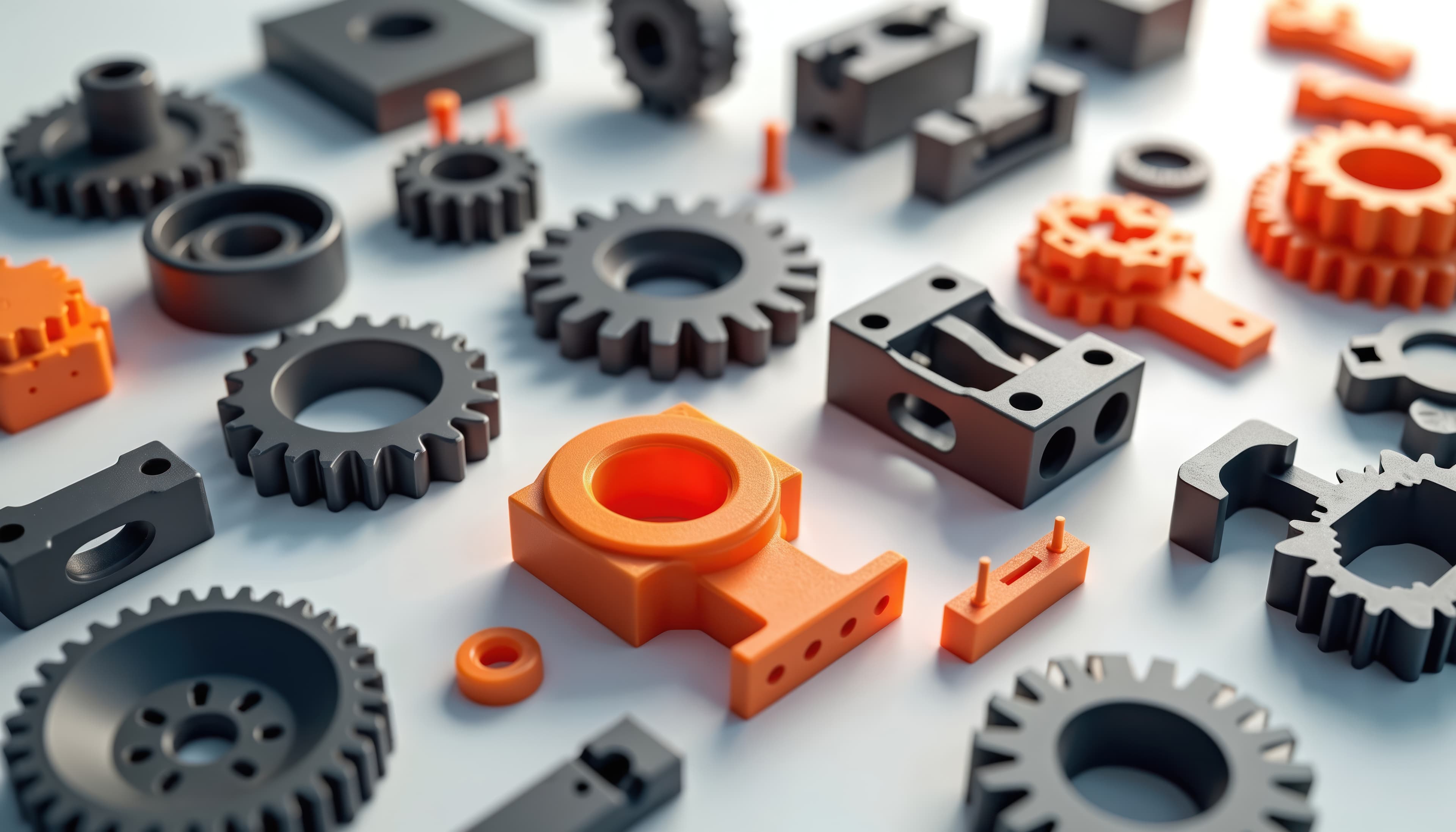
Comprehensive additive manufacturing solutions covering polymers and metals—from concept validation to production-ready components with controlled finishing and inspection.
View Details
3D Printing Services

Program Focus

DFAM → Build → Finish
Service 02
Durable Thermoplastics

Fused Deposition Modeling (FDM)

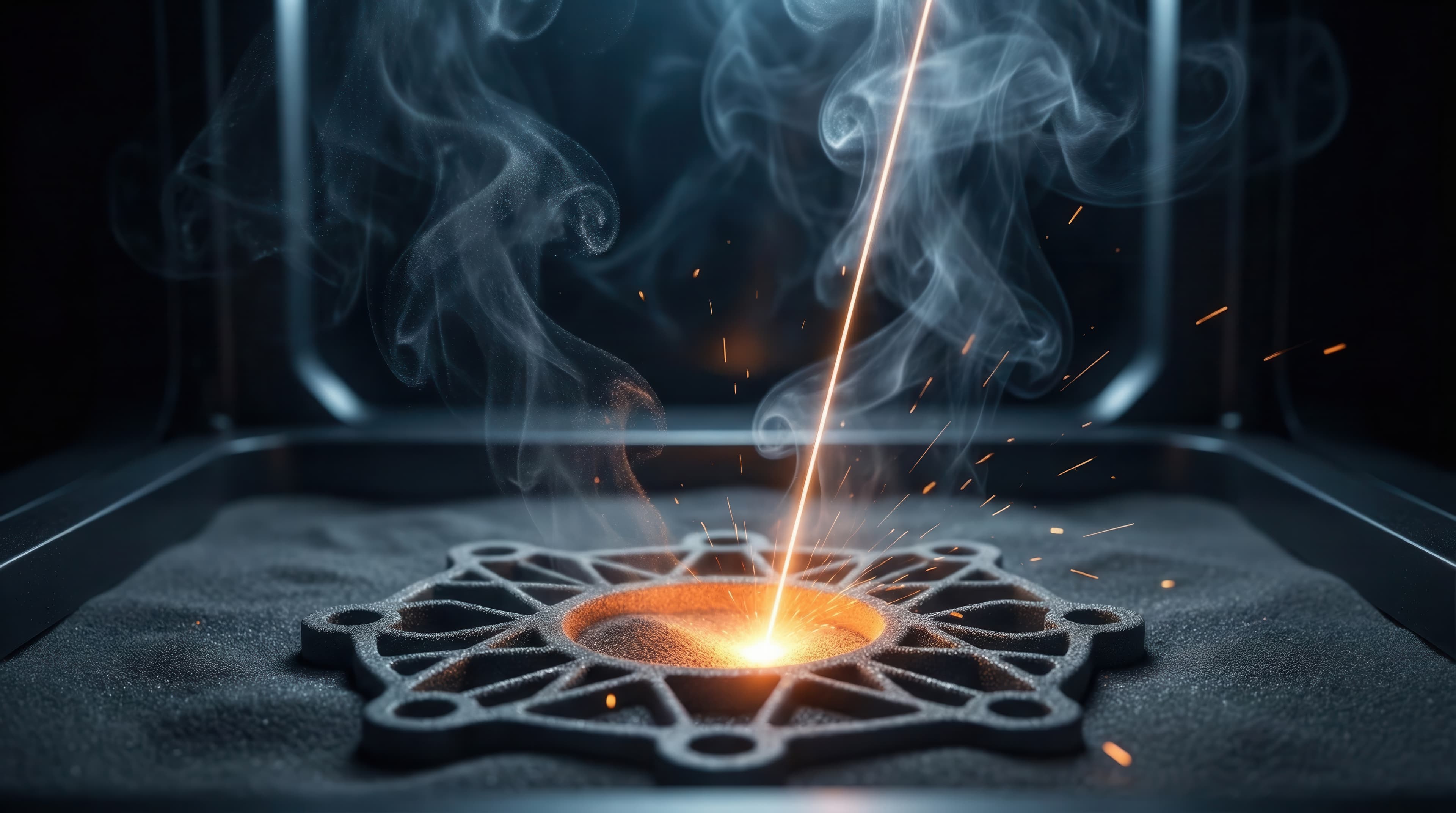
Layer-based thermoplastic extrusion for functional prototypes, fixtures, housings, and engineering components requiring strength and cost efficiency.

View Details
Fused Deposition Modeling (FDM)

Program Focus

DFAM → Build → Finish
Service 03
High Detail & Surface Quality

Stereolithography (SLA / DLP)

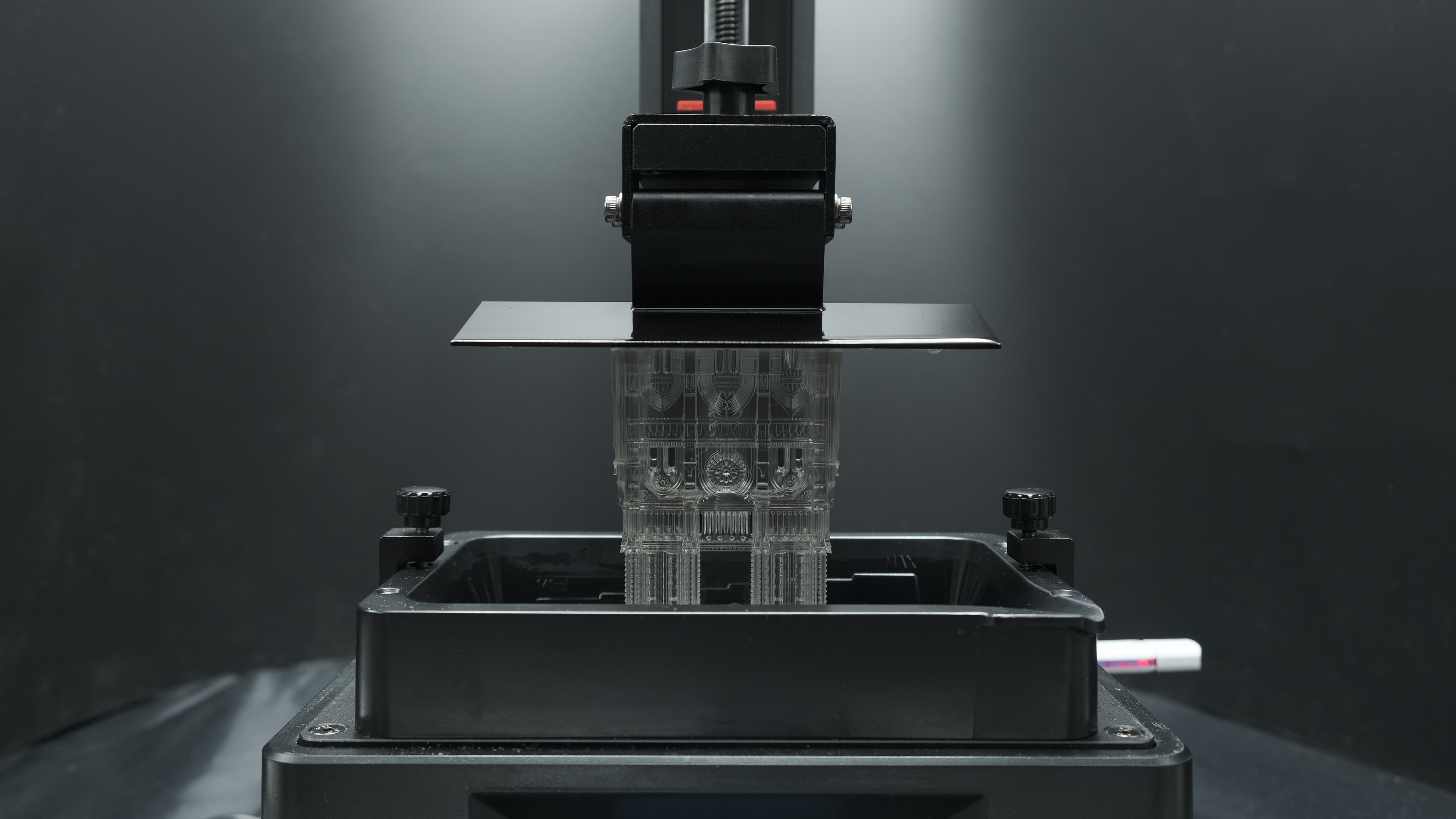
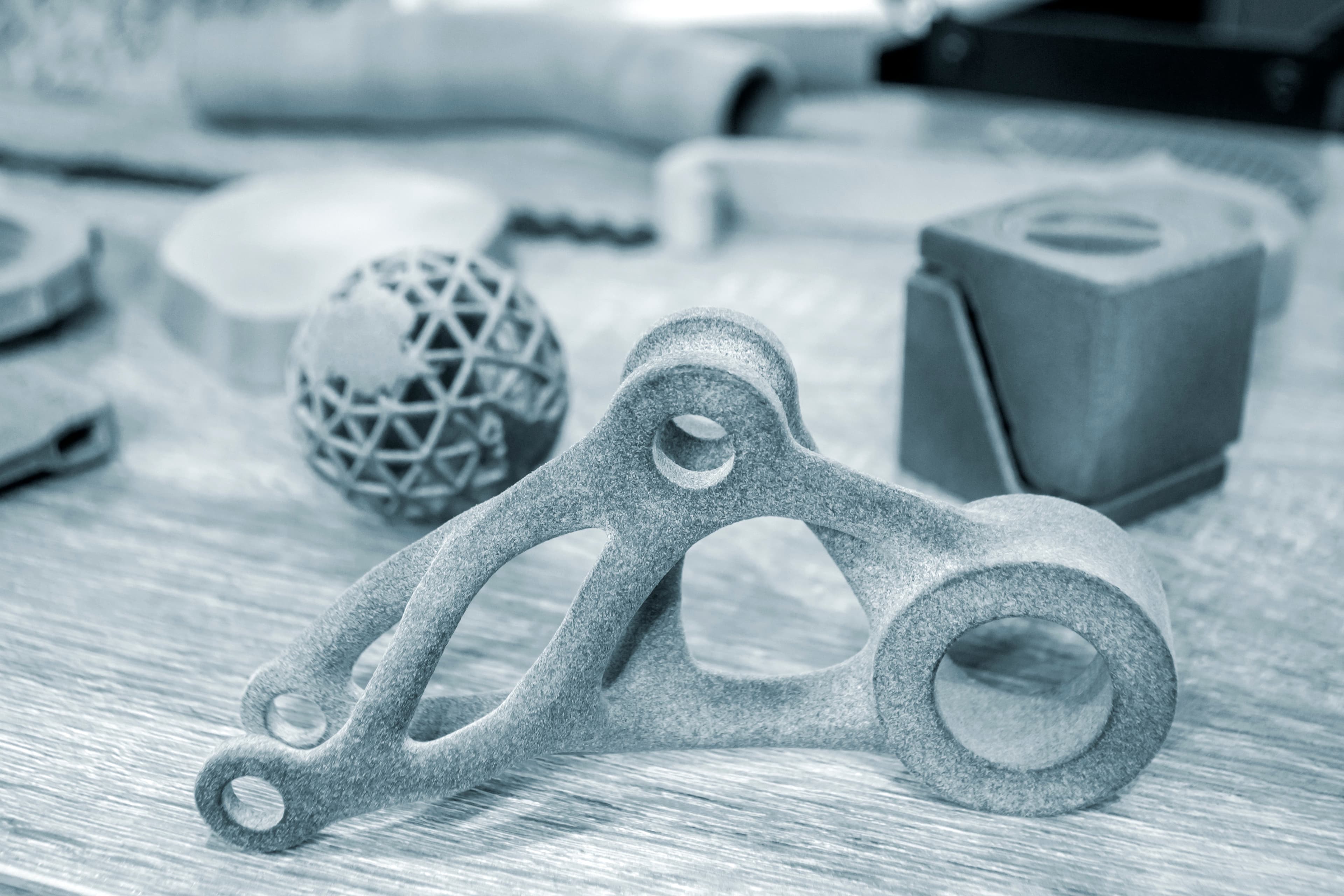
Photopolymer resin printing for fine features, smooth surfaces, and aesthetic prototypes where precision and finish are critical.

View Details
Stereolithography (SLA / DLP)

Program Focus

DFAM → Build → Finish
Service 04
Support-Free Polymer Production

Selective Laser Sintering (SLS)

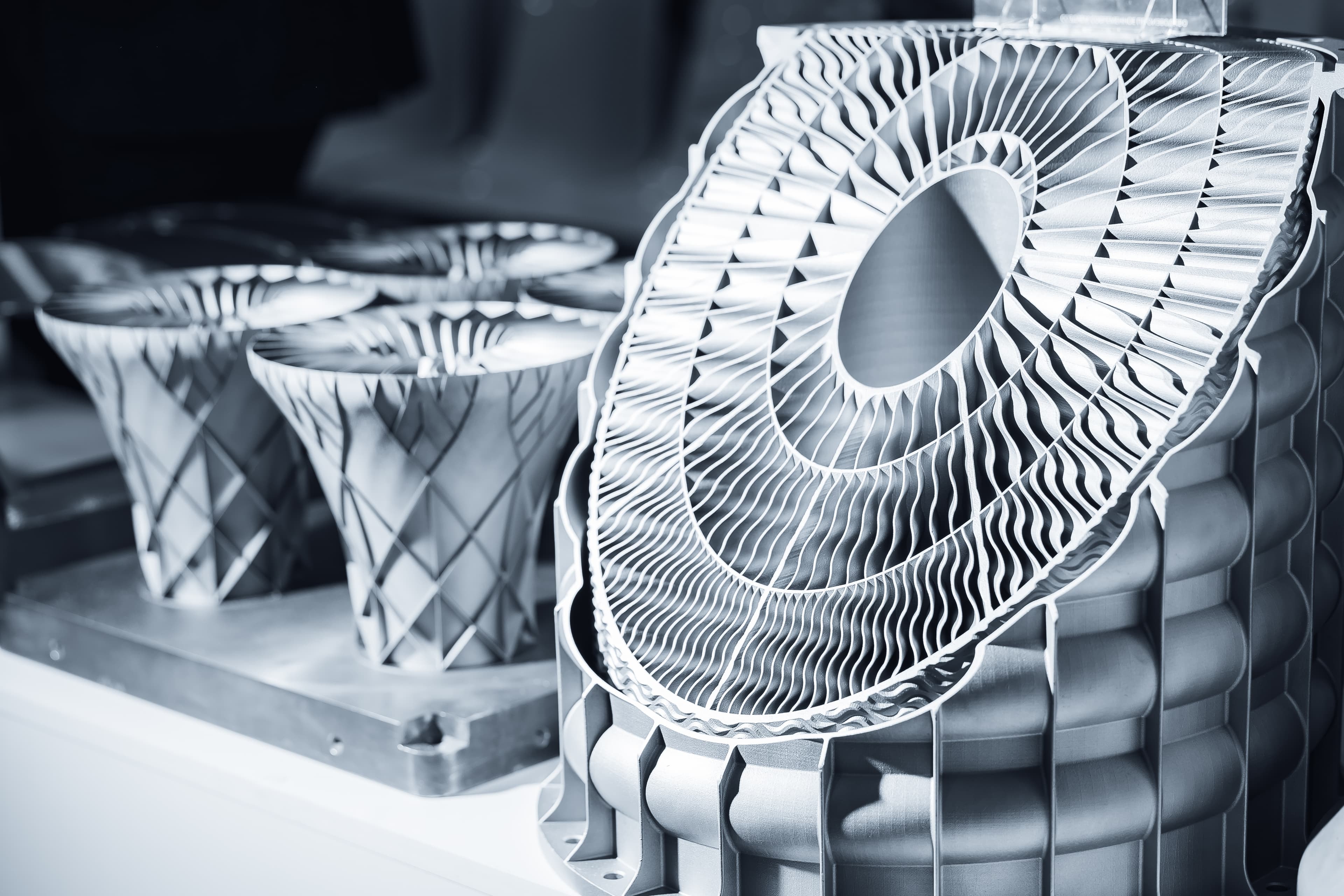
Powder-based nylon printing without support structures—ideal for complex geometries and functional end-use components.

View Details
Selective Laser Sintering (SLS)

Program Focus

DFAM → Build → Finish
Service 05
Repeatable Nylon Production

Multi Jet Fusion (MJF)

Industrial nylon printing with consistent mechanical properties and surface uniformity—well suited for mid-volume production programs.

View Details
Multi Jet Fusion (MJF)

Program Focus

DFAM → Build → Finish
Service 06
High-Performance Metal Parts

Metal Additive Manufacturing (DMLS / SLM)

Laser-based metal powder fusion for complex, high-strength components requiring advanced geometry and post-machined precision interfaces.

View Details
Metal Additive Manufacturing (DMLS / SLM)

Program Focus

DFAM → Build → Finish
Service 07
Rapid Validation

Prototype 3D Printing

Fast-turn additive builds for fit, form, and functional validation—optimized for engineering iteration and decision-making speed.

View Details
Prototype 3D Printing

Program Focus

DFAM → Build → Finish
Service 08
Industrial-Scale Manufacturing

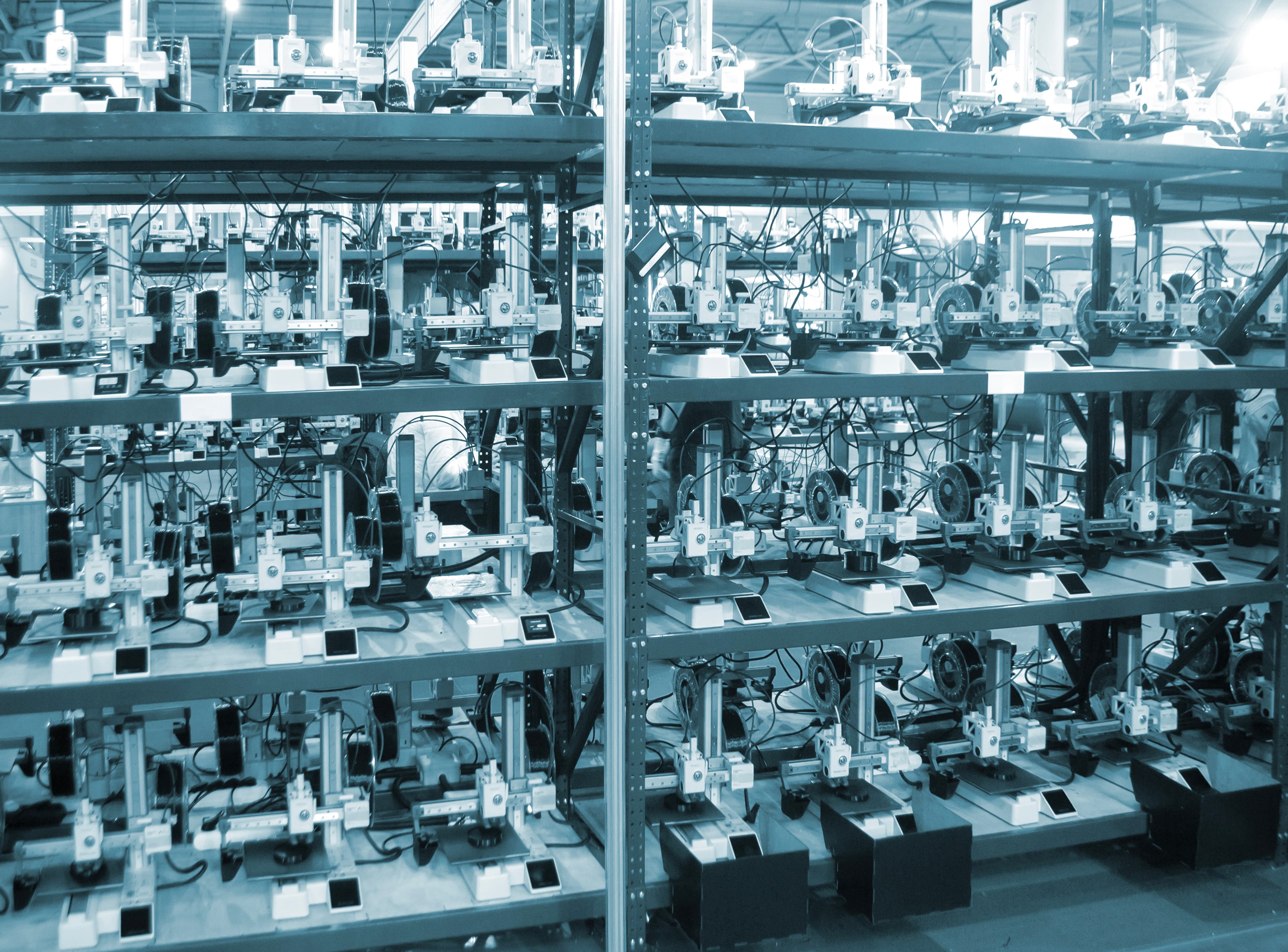
Production 3D Printing

Scalable additive manufacturing programs with controlled build parameters, standardized finishing workflows, and defined inspection plans—engineered for repeatable, production-ready output.

View Details
Production 3D Printing

Program Focus

DFAM → Build → Finish
Capability Benchmarks

Work Envelope

Program Range

Support for one-off prototypes through repeatable production runs depending on process and material.

Prototype → Production

Detail & Surface Control

From high-detail resins (SLA/DLP) to production polymer surfaces (SLS/MJF) with finishing options.

Fine Detail → Production Texture

Material Performance

Thermoplastics, production nylons, and metals depending on functional needs and environment.

Polymers → Metals

Not sure which 3D printing process fits your part?

Upload your CAD and we’ll recommend the best process based on geometry, requirements, and volume.

Tolerances & GD&T

Additive tolerances depend on process, material, part size, orientation, and post-processing. Clear requirements help align cost, risk, and inspection strategy.

CategoryTechnical DescriptionTypical Notes
Dimensional ExpectationsDimensional results vary with process and part envelope. Critical features often benefit from design allowances and post-machining of datums or mating interfaces.

Call out CTQs; consider machining allowances for tight fits and sealing surfaces.

Surface Finish & Layer LinesLayering can create visible texture depending on process and orientation. Finishing steps (bead blast, tumbling, sanding, coating) can improve cosmetics.

Define cosmetic zones; allow non-cosmetic surfaces where supports or texture may exist.

Anisotropy & Orientation EffectsStrength and stiffness can vary by build direction. Orientation impacts surface quality, support marks, and dimensional outcomes.

Share load directions so we can orient parts for performance, not just appearance.

Inspection & ReportingInspection can range from sampling key features to detailed first-article reports, depending on program needs.

We can support first-article reporting and ongoing sampling plans as required.

Process Control & RepeatabilityRepeatability improves with stable build parameters, consistent post-processing, and controlled finishing workflows—especially for production runs.

For production, define finishing steps and acceptance criteria (color, texture, marks).

Best Practice: Define CTQ dimensions + cosmetic zones + finishing requirements upfront

Materials

Material selection drives strength, thermal resistance, chemical compatibility, surface quality, dimensional stability, and long-term performance. Share your environment, loads, tolerances, and critical features so we can recommend the right additive process and material family.

FDM Thermoplastics

FDM is widely used for engineering prototypes, fixtures, jigs, manufacturing aids, and low-volume functional parts. Mechanical performance depends on material family, wall design, infill strategy, and build orientation.

SLA / DLP Resins

Photopolymer resins provide excellent surface quality and high feature resolution. Final properties depend on resin chemistry and post-curing.

SLS / MJF Polymers

Powder-bed polymer processes support complex geometry without support structures and are well suited for functional end-use parts.

Metal Additive Materials (DMLS / SLM)

Metal additive manufacturing supports complex geometries and internal channels. Secondary heat treatment and finish machining are often required.

Post-Processing & Secondary Operations

Additive parts require controlled post-processing to achieve cosmetic grade, interface accuracy, and mechanical performance. Workflows are selected based on geometry, material, and end-use requirements.

Secondary Operations & Surface Options

Additive Manufacturing Design Guidelines (DFM)

DFAM reduces print risk and improves yield. These guidelines focus on orientation, supports, minimum features, and post-processing realities.

Design FeatureTechnical Recommendation
Orientation & Support StrategyOrient parts to protect cosmetic faces, reduce supports, and align strength direction with load paths. Support contact areas should be placed on non-cosmetic zones where possible.
Wall Thickness & Minimum FeaturesMaintain adequate wall thickness for stability and handling. Avoid long thin walls without ribs; use fillets and gradual transitions to reduce distortion risk.
Holes, Threads & Critical FitsHoles often print undersized; plan to drill/ream if needed. For threads, consider inserts or machining for durability and precise fit.
Snap Fits, Flexures & ComplianceDesign compliant features with material and build-direction behavior in mind. Validate flexure life and allow iterations for performance tuning.
Surface Zones & Cosmetic ControlDefine A/B/C surfaces and acceptance criteria (layer lines, support marks, texture). Cosmetic clarity prevents misalignment during finishing.
Designing for Post-ProcessingPlan access for depowdering/cleaning and finishing steps. Add machining allowances on datums and sealing faces if tolerances are tight.

Applications & Industries

Additive Manufacturing Applications

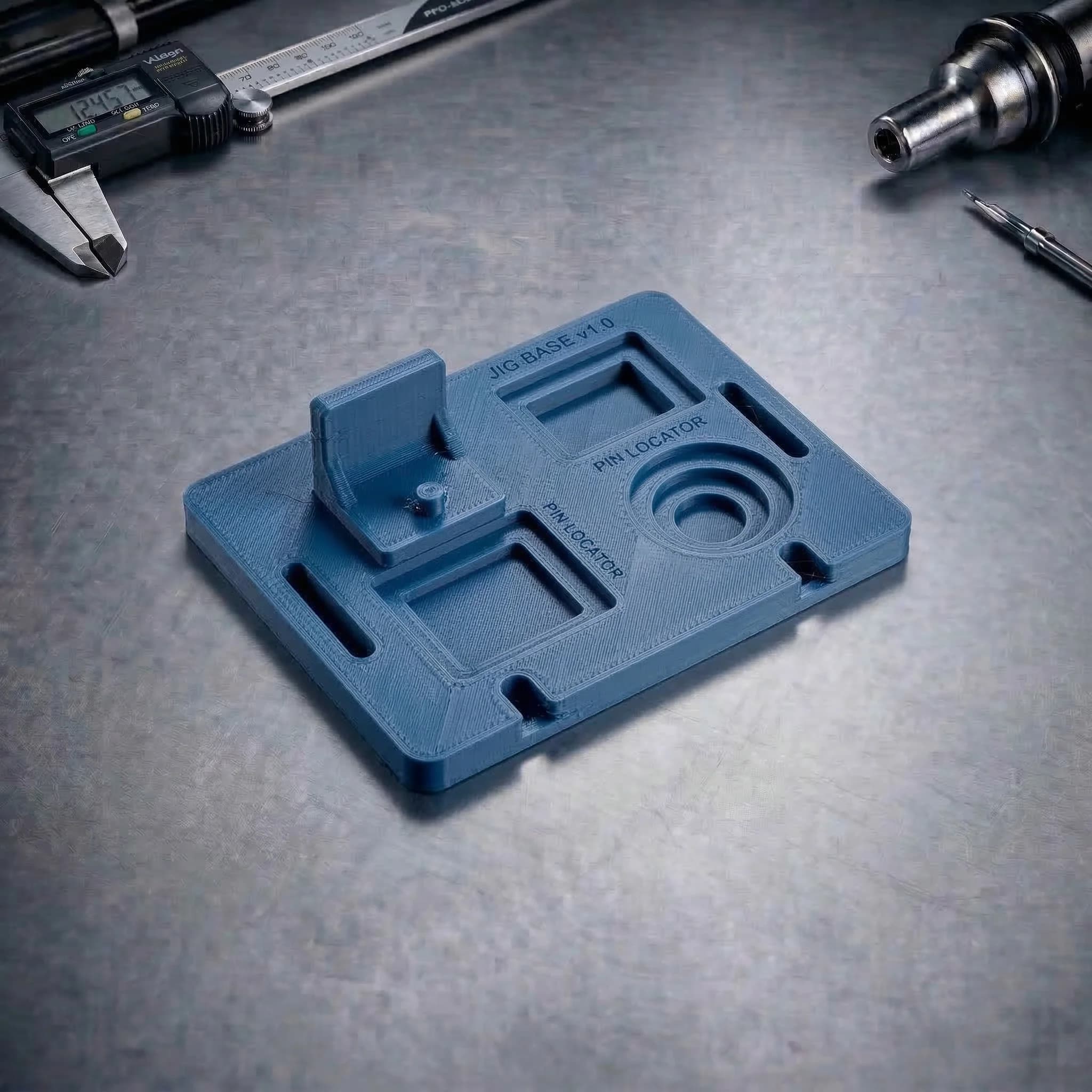
Jigs, Fixtures & Tooling Aids

Jigs, Fixtures & Tooling Aids

Custom fixtures, nests, drill guides, and assembly aids—optimized for fast iteration and ergonomic improvements without tooling cost.

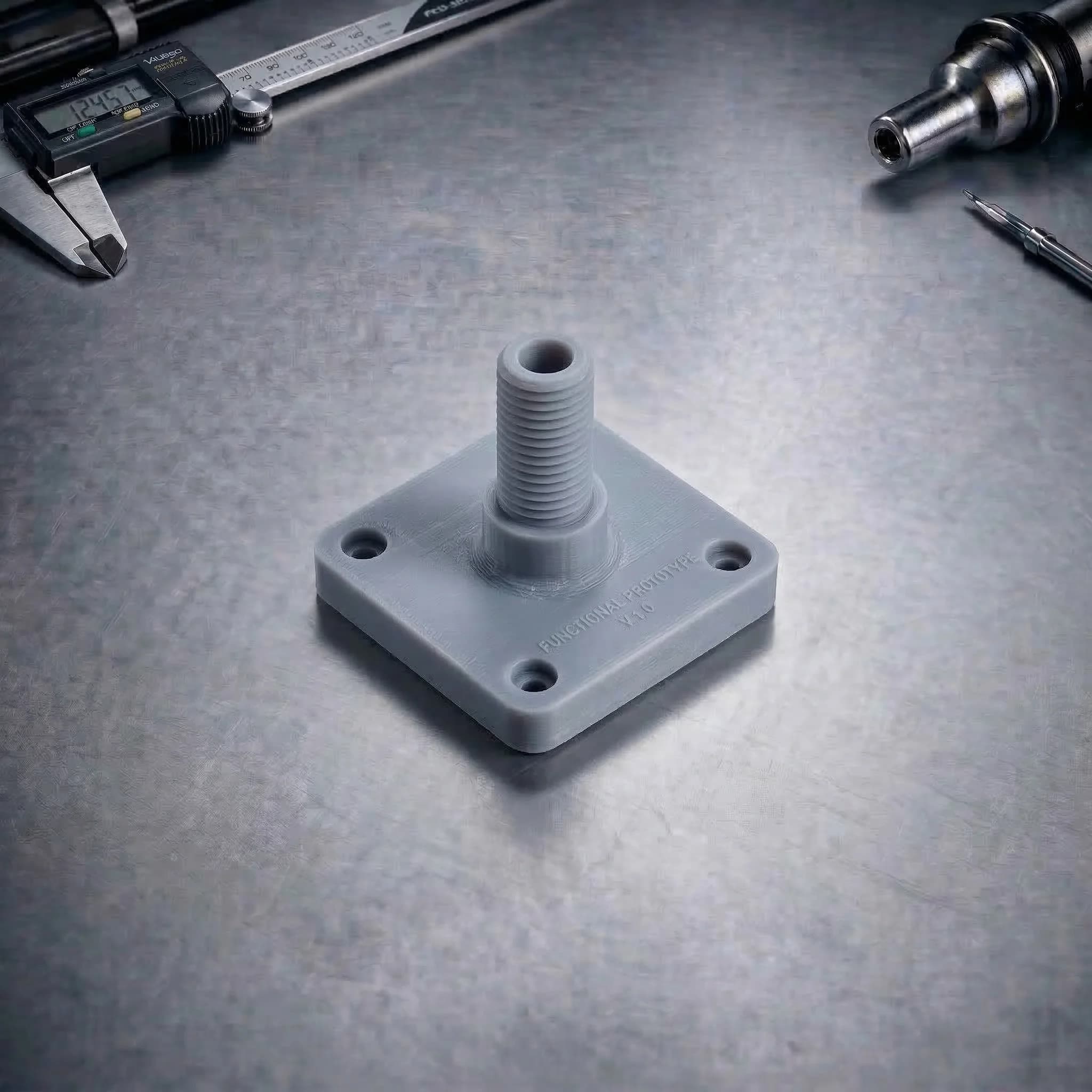
Functional Prototypes & Fit Checks

Functional Prototypes & Fit Checks

Rapid prototypes to validate assemblies, interfaces, and design intent—choose process/material based on the decision you need to make.

Production Polymer Components

Production Polymer Components

SLS/MJF nylon parts for end-use components and assemblies where tooling is not justified or customization is required.

FAQs & Knowledge Base

Additive Manufacturing FAQs

PREMSA

Ready to start your additive manufacturing program?

Upload your CAD and requirements for DFAM review, process selection, and a clear path from prototype to repeatable production.

Typical Response: Under 2 Hours