Complex Parts,One SetupCNC Mill-Turn
CNC mill-turn machining for components that need both turned diameters and milled features—flats, cross-holes, ports, keyways, and precise clocking. Fewer setups means better coaxiality, tighter feature-to-axis relationships, and faster throughput.
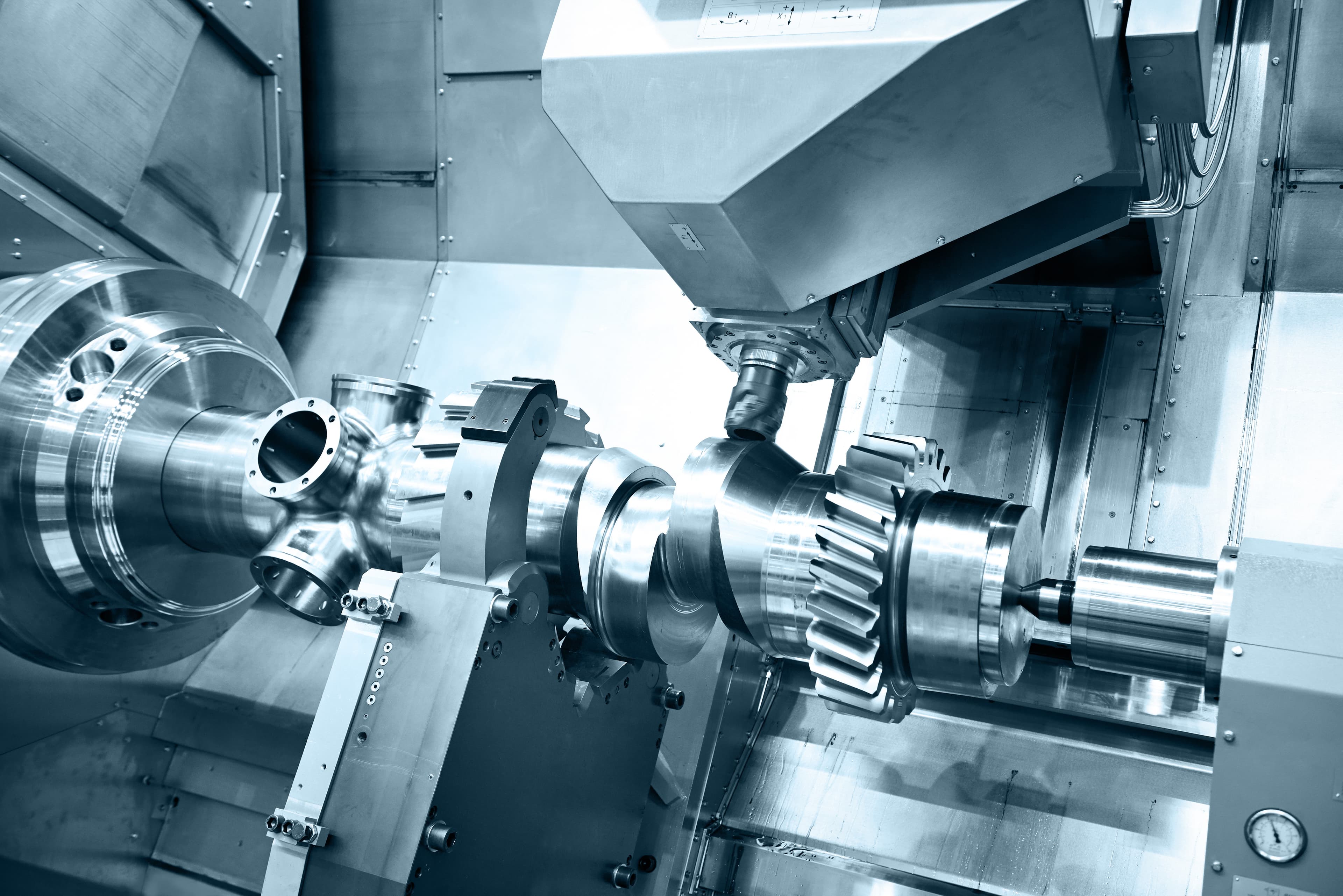
Feature-to-Axis Control
Setup-reduced
Prototype Lead Time
5–15 Days
Production Volume
50k+ Units
CNC Mill-Turn
Mill-Turn for Parts That Can’t Tolerate Setup Error
CNC mill-turn is the right process when your part needs turned diameters plus milled features (flats, cross-holes, ports, keyways) that must stay tightly related to the main axis. Combining operations in one machine reduces re-clamping and protects concentricity, coaxiality, and clocking.
Instead of “turn it first, then move it to a mill,” we plan around datum strategy and feature order. That means fewer stacked tolerances, better repeatability, and a cleaner inspection plan—especially for parts with functional relationships like hole position to bore centerline or flat orientation to a thread.
Mill-turn is also a cost tool. When a part can be completed in one cycle (including back-side ops via sub-spindle), you save on handling, fixtures, WIP, and inspection complexity—without pretending every dimension needs extreme tolerance.
What is CNC Mill-Turn?
CNC mill-turn (also called turn-mill) is a machining method that combines turning (the part rotates) with milling/drilling (a rotating tool cuts features) on the same platform. The machine uses live tooling and typically a C-axis to index or synchronize rotation so milled features can be placed at specific angles around a turned diameter.
It’s commonly used for parts where feature-to-axis relationships matter: flats aligned to bores, cross-holes positioned to threads, ports intersecting internal passages, or keyways timed to a shoulder. The goal is to finish more of the part without moving it between machines.
The Mill-Turn Workflow
Process planning that prioritizes datums, clocking, and minimizing re-clamps.
1. DFM + Datum Plan
We map the functional datums (axis, faces, shoulders) and identify what must stay in one setup to protect coaxiality, runout, and clocking.
2. Operation Sequencing
We choose when to turn, when to mill, and when to transfer to a sub-spindle (if used). This sequencing prevents distortion and avoids creating inspection traps.
3. Live Tooling + C-Axis Execution
Milled features are produced with live tools using indexed C-axis positions (or continuous C-axis synchronization when required by the geometry).
4. Verification & Gaging
We validate the relationships that matter—feature position to axis, runout, thread function, and sealing surfaces—using the appropriate mix of micrometers, pin/air gages, optical measurement, and CMM when required.
Why Mill-Turn Often Wins
Fewer Setups, Less Stack-Up
Completing turned and milled features in one platform reduces re-clamping, which is a major source of positional error and runout growth.
Better Feature-to-Axis Relationships
Milled flats/holes/ports can be held in tighter relationship to the turning axis because the same datum axis is maintained through the process.
Lower Total Handling Cost
Less WIP movement, fewer fixtures, and fewer inspection stages can reduce the real cost-per-part—especially on medium volumes.
Back-Side Completion
Sub-spindle finishing avoids a second operation or flip, which helps maintain face squareness, length control, and coaxiality.
Cleaner Inspection Plan
When features share the same setup datum, it’s easier to verify true position, runout, and functional relationships without guesswork.
Cycle-Time Efficiency
When a part can be finished in one run, you often cut total cycle time even if the machine itself is more capable—because you remove secondary setups entirely.
Mill-Turn Envelope & Throughput
Turning Envelope
General capability for parts that require both turning and milling features. Exact limits depend on part geometry, stock type, and workholding strategy.
Application-dependent
Live Tooling Features
Common mill-turn features include flats, cross-holes, ports, keyways, bolt circles, and milled hexes—often without removing the part from the machine.
Indexed C-axis milling (typical)
Bar Work & Volumes
For bar-fed parts, production scalability is strong when the design is mill-turn friendly and stable to machine without excessive tool reach.
50,000+ Units
Not sure if your part is a fit?
Send your CAD + 2D print and we’ll confirm whether mill-turn reduces setups or if a separate mill/lathe route is more efficient.
Tolerances & GD&T for Mill-Turn
Mill-turn success is usually about controlling relationships (position/orientation/runout) rather than chasing blanket tight tolerances. Call out what truly matters—fits, runout, and feature position to the axis—and keep everything else reasonable.
| Category | What’s Typically Practical | Notes That Prevent Rework |
|---|---|---|
| General (Turned + Milled) | For non-critical dimensions, typical shop capability is often in the ±0.10 mm (±0.004") range depending on feature type and size. | Avoid over-tolerancing non-functional features; it increases cost without improving assembly performance. |
| Runout / Coaxiality | Runout and coaxial control depends on datum definition, stock straightness, and whether the part can stay on one datum axis through completion. | Specify datum axis clearly (and where it is established). Total runout is often more functional than concentricity callouts. |
| Position of Milled Features | True position of cross-holes/flats relative to the axis is highly setup-dependent; mill-turn can reduce variability because the axis is preserved. | Include clocking (angle) requirements when needed. If angle doesn’t matter, don’t specify it. |
| Threads + Sealing Seats | Thread performance is driven by pitch diameter and gaging strategy; sealing performance is driven by surface finish and geometry (seat angle/radius). | Call out thread standard/class and whether functional gaging is required; specify finish on sealing surfaces only. |
| Surface Finish | Turned finishes are generally more uniform on cylindrical surfaces; milled finishes depend on tool diameter, stepover, and strategy. | Specify Ra only where it matters (seals, bearings, sliding fits). |
| Inspection Strategy | Choose inspection that matches the tolerance: hand gages for basics, pin/air gages for IDs, CMM/optical for positional and form controls. | If you need a report (FAI/PPAP-style control plan), define it in the RFQ to avoid surprises. |
CNC Mill-Turn Materials
We machine a wide selection of production-grade metals and engineering plastics. Don’t see your specific material? Upload your spec and our team will confirm availability and custom machinability within 24 hours.
CNC Mill-Turn Metals
CNC Mill-Turn Plastics
Surface Finishes
Select a finish to enhance functional performance—including corrosion resistance, wear protection, electrical conductivity, or cosmetic requirements. Need a custom specification? Upload your print or finishing spec and our team will validate process compatibility and availability.
CNC Mill-Turn Finishing Options
Mill-Turn DFM Standards (DFM)
Designing for mill-turn is about datum clarity, tool access, and avoiding features that force secondary setups. The best mill-turn parts keep critical relationships in the same cycle and avoid excessive tool reach.
| Design Area | Practical Guideline |
|---|---|
| Datums & Clocking (C-Axis) | If angular orientation matters, define a clocking datum (e.g., flat, keyway, or hole pattern) and specify the angular relationship to the primary axis. If it doesn’t matter, do not add angle callouts—unnecessary clocking increases cost. |
| Tool Access & Clearance | Provide clearance for live tools near shoulders and close features. Avoid crowding milled features against a large shoulder radius where the tool cannot reach without collision. Add small reliefs only when they are functionally required. |
| Cross-Holes, Ports & Intersections | Intersecting holes create burr traps and break-through edges. If a port intersects a bore, consider adding a small chamfer or deburr note at intersections. Avoid extremely deep cross-holes unless you accept higher cycle time and potential drill wander. |
| Thin Walls & Slender Geometry | Long, slender parts and thin walls amplify chatter during both turning and live-tool milling. Keep unsupported length-to-diameter ratios conservative unless you accept tailstock/steady-rest requirements. For thin walls, specify only essential tight tolerances. |
| Threads, Grooves & Sealing Seats | For threads, specify the standard/class and whether functional gaging is required. For sealing seats, specify the sealing geometry (angle/radius) and finish on the sealing region. Add runout controls only if the seal is speed/pressure sensitive. |
| Drawing Checklist | Call out datums, CTQ dimensions, fit classes, and inspection expectations. Provide a section view for internal passages/ports. If you need a report (FAI/control plan), state it in the RFQ to align cost and lead time. |
Applications & Industries
CNC Mill-Turn Applications
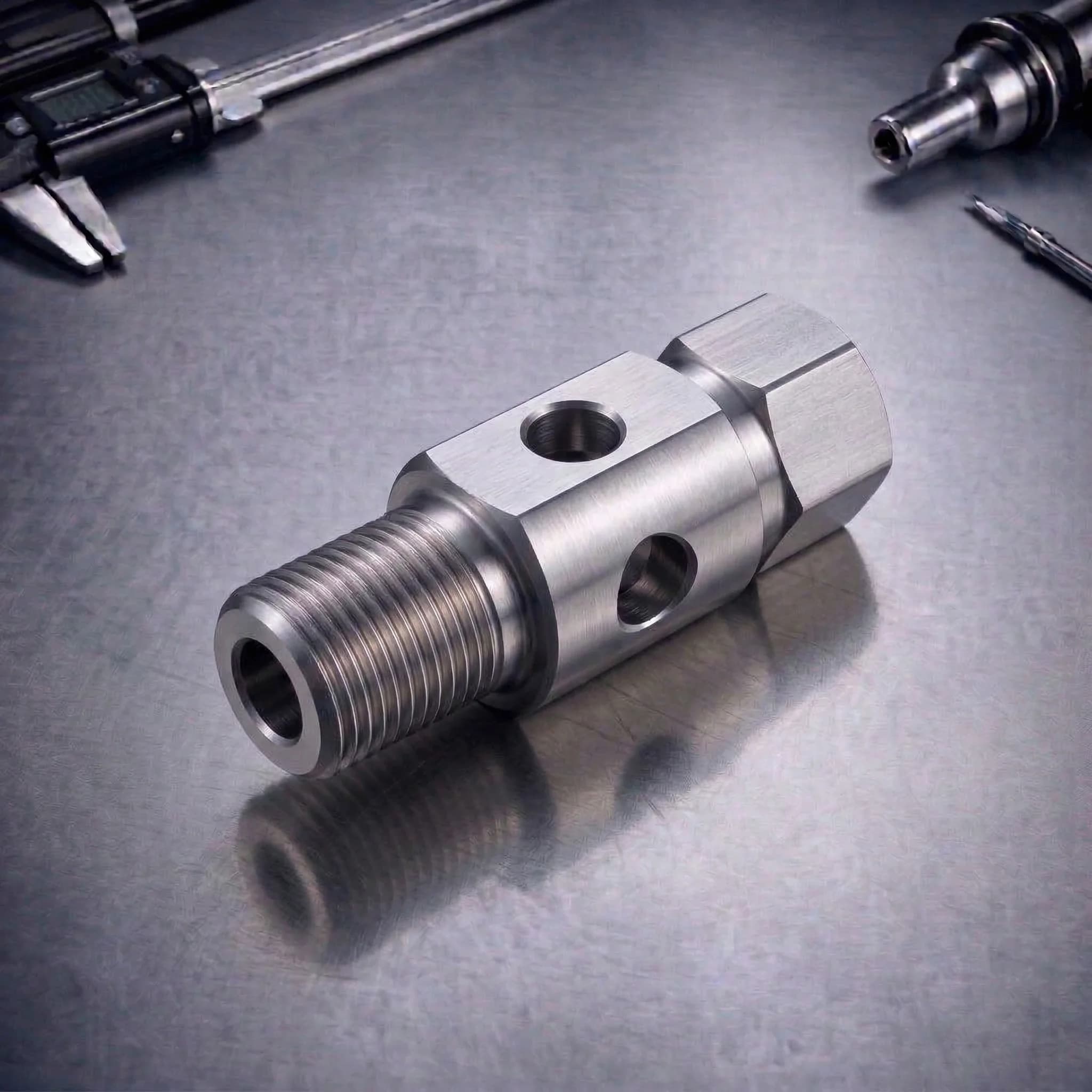
Fittings with Flats + Cross-Holes
Turned threads and seal seats combined with milled wrench flats and cross ports—kept aligned to the axis without re-clamping.
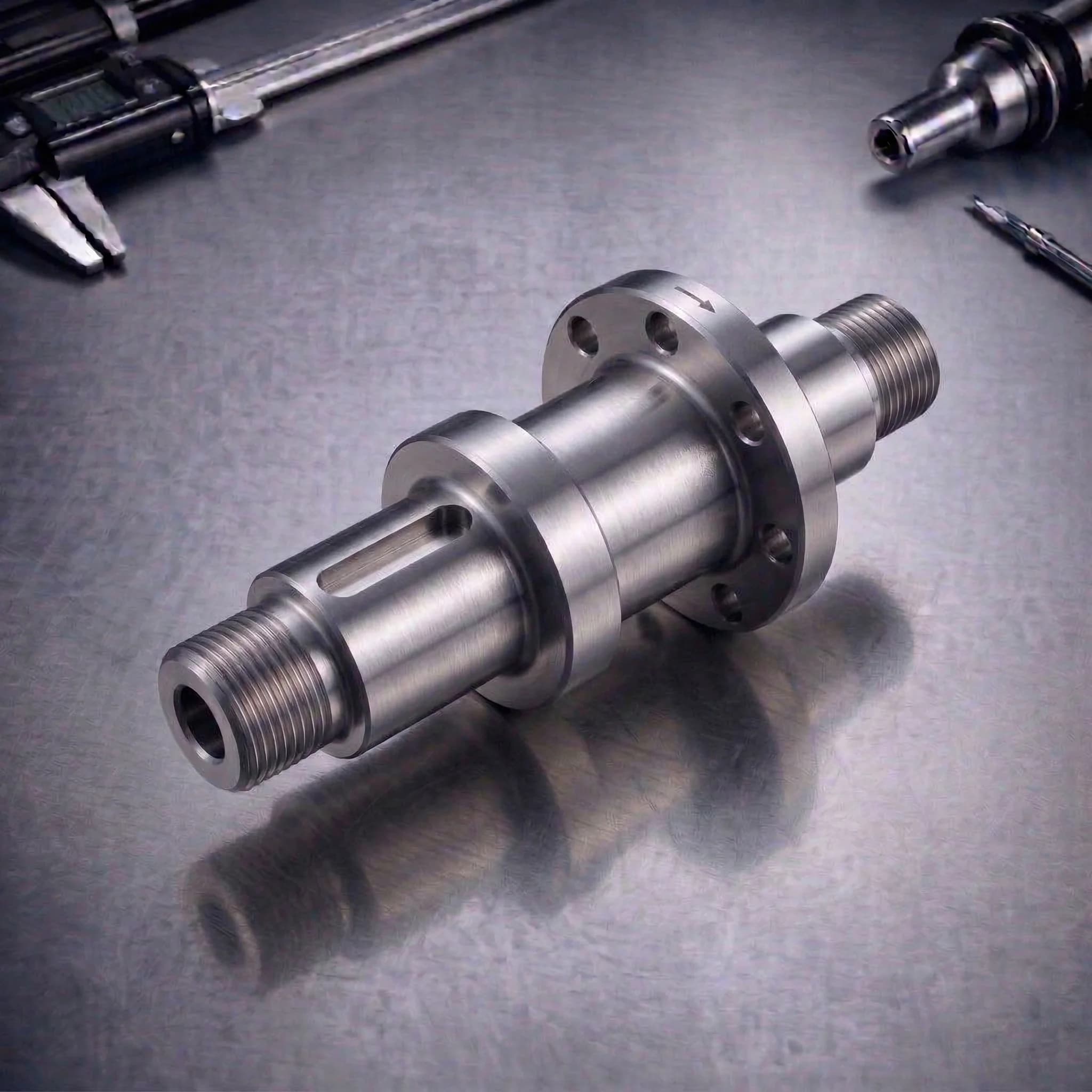
Shafts with Keyways + Bolt Circles
Turned bearing journals plus milled keyways, flats, or bolt circles that must maintain position to the main axis for assembly accuracy.
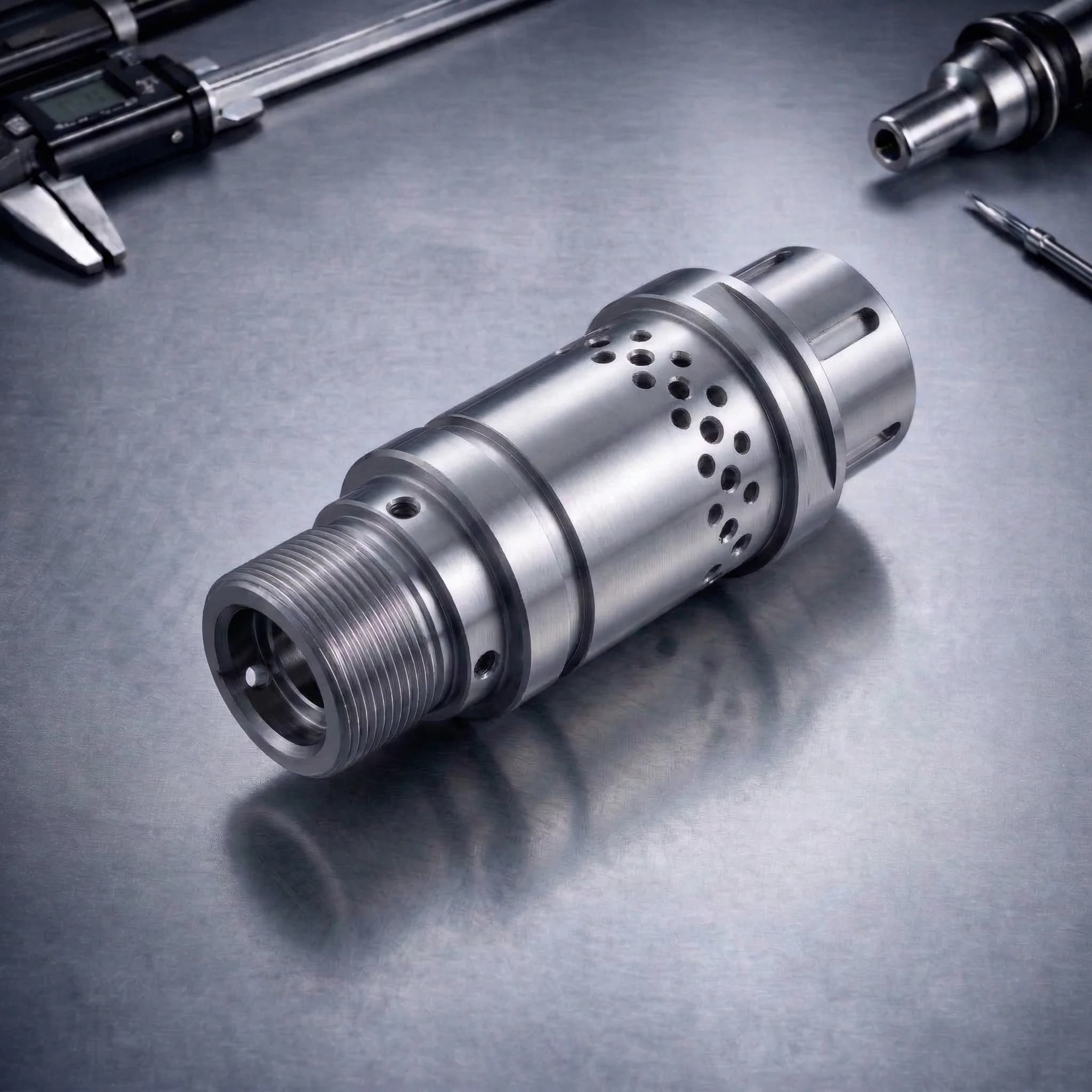
Ported Sleeves & Housings
Parts with turned IDs/ODs and milled ports/slots where feature position to bore centerline drives performance.
CNC Mill-Turn Target Industries
Manufacturing
Precision components where clocking and concentricity matter: couplers, motor shafts, adapters, and sensor housings.

Aerospace & High-Reliability
Complex fittings and rotational components where feature relationships must be controlled and documented.

Medical & Instrumentation
Small precision parts (including swiss-style when applicable) with functional threads, ports, and tight feature placement.

FAQ & Mill-Turn Knowledge Base
Mill-Turn FAQs

Ready to machine complex parts in fewer setups?
Upload CAD + drawings for a mill-turn DFM review. We’ll confirm datum strategy, clocking requirements, and whether a one-cycle approach reduces cost and risk.
Engineering Review: Under 2 Hours