Drilling &
Threading
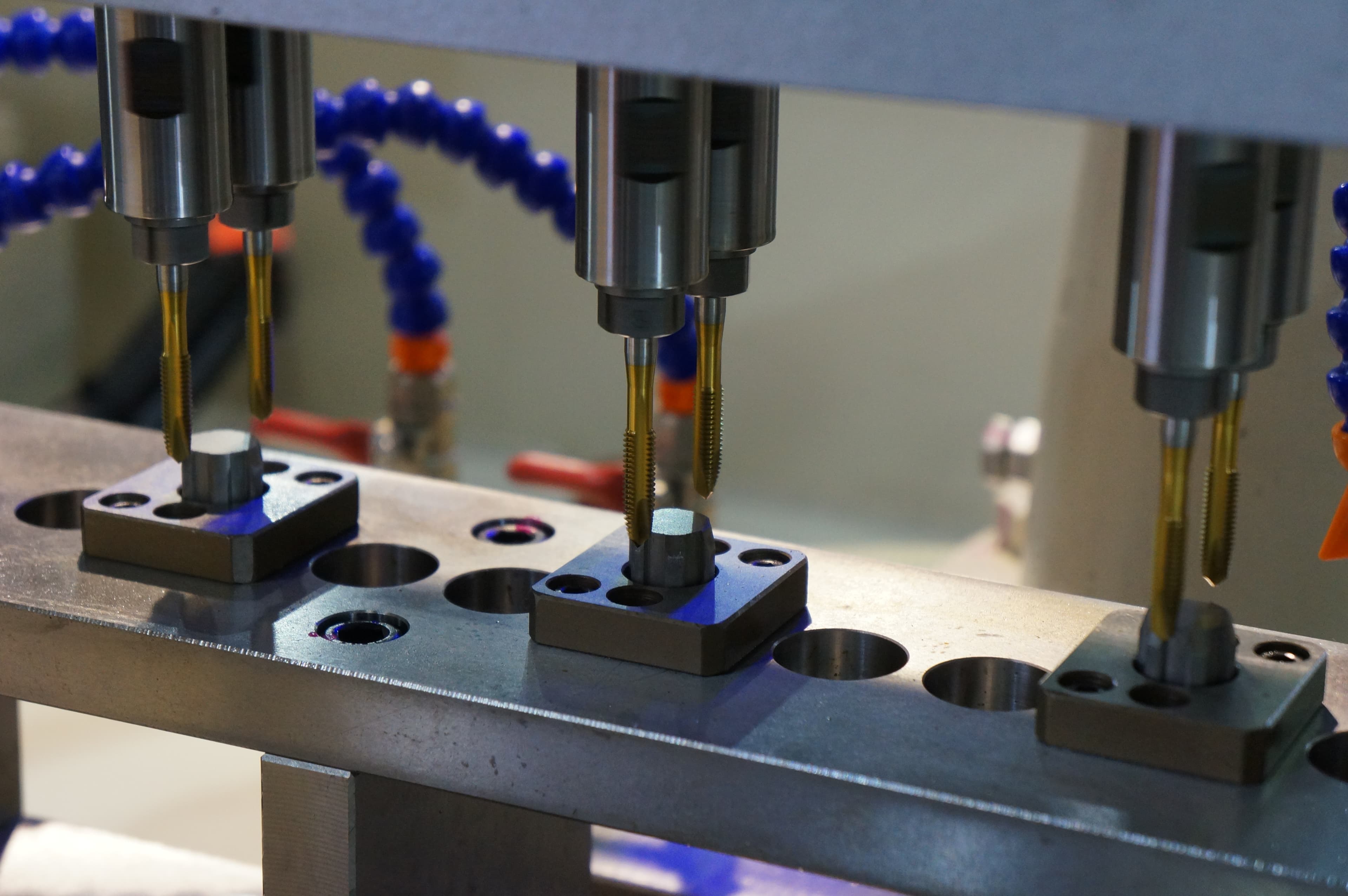
Precision holemaking and internal threads built for assembly confidence. We control burrs, verify datums, and choose the right method (drill/ream/tap/thread mill) to hit functional requirements—repeatably.
Quality Focus
Datums + Gauged
Lead Time
3–7 Days
Volumes
50k+ Pcs
Controlled process
Holemaking + thread strategy + deburr + gauging aligned to CTQs.
Drilling & Threading
Why Choose PREMSA for Drilling & Threading
PREMSA delivers drilling and threading built for functional assemblies: controlled hole size, reliable thread fit, and repeatable true position relative to your datums. We focus on the details that make holes work in production—burr strategy, tool selection, and verification method.
Our approach is engineering-driven: we confirm critical features, define the right holemaking method (drill vs ream) and threading method (tap vs thread mill), and align inspection scope (gauging, CMM, or functional checks) to the risk and requirement.
From prototype assemblies to repeat production, we support stable results with documented processes, optional material certifications, and inspection reporting—so parts assemble consistently lot to lot.
What is Drilling & Threading?
Drilling and threading are manufacturing operations used to create functional holes and internal threads for fasteners, pins, dowels, fluid paths, and assembly alignment. Hole performance depends on size, straightness, true position, edge condition, and surface integrity.
In production, success means controlling variation: selecting the correct method (drill/ream/counterbore/countersink), choosing the right thread process (tap or thread mill), managing burrs, and verifying results with gauges and metrology.
How Drilling & Threading Works
A practical workflow designed for repeatable holes, durable threads, and assembly-ready results.
1. CAD + Drawing Review
We confirm hole callouts, datum scheme, true position, thread standard/class, edge break, and any functional requirements such as sealing, alignment, or load transfer.
2. Holemaking Method Selection
We define the optimal strategy (drill, ream, bore) based on tolerance band, surface finish, and assembly function to ensure repeatability and size control.
3. Threading Strategy
We select tapping or thread milling according to material, diameter, depth, and quality requirements. Parameters are tuned for dimensional control and thread integrity.
4. Controlled Production + Verification
Holemaking and threading are executed with defined parameters and burr control. Threads are verified with functional gauges when applicable, and critical features are inspected per the agreed plan.
Threading Methods: Tapping vs Thread Milling
Tapping (Rigid/Program-Based)
Fast and cost-effective for standard internal threads in many materials. Best when the thread form is common, depths are reasonable, and geometry supports stable chip evacuation.
Thread Milling
Greater control over thread size and fit, and typically safer for tougher materials, larger diameters, and critical threads. Also reduces risk of broken taps in certain applications.
Inserts (When Durability Matters)
For plastics or high-cycle torque features, inserts can provide stronger, more durable threads. Selection depends on material, wall thickness, and service requirements.
Benefits of Controlled Holes & Threads
Assembly-Ready Fit
Controlled hole size and verified threads reduce rework and improve first-pass assembly.
Repeatable True Position
Datum-driven setups and inspection keep hole patterns aligned across batches.
Burr-Controlled Edges
Defined deburr strategy prevents assembly damage and improves safety and handling.
Right Process for the Requirement
Drill vs ream and tap vs thread mill choices balance cost, throughput, and quality.
Verified Results
Functional gauging and metrology aligned to CTQs builds confidence in production lots.
Scales from Prototype to Production
Process documentation and inspection scale with volume and program maturity.
Capabilities & Production Envelope
Hole Size Range
Supported hole sizes depend on material, thickness, tool reach, and tolerance requirements. Tight holes are evaluated for reaming or post-ops to ensure repeatability.
Application-dependent
Depth-to-Diameter Ratios
Straightness and finish degrade as depth increases. We review deep holes for process strategy, tool selection, and inspection feasibility.
Reviewed by DFM
Thread Sizes & Standards
We support common UNC/UNF, metric, and tapered threads when specified. Method selection depends on material, size, and depth.
Standard + custom
Have a difficult hole pattern or critical thread fit?
Upload your CAD and drawing callouts for a technical review focused on hole strategy, thread method, burr control, and verification plan.
Tolerances, Thread Standards & Verification
Hole and thread requirements directly drive method selection, setup planning, and inspection. Clear datums, true position, thread standard/class, and edge condition callouts reduce ambiguity and improve repeatability.
| Category | Technical Description | Engineering Notes |
|---|---|---|
| Hole Size Tolerances (Drill vs Ream) | Drilling is efficient for general holes; reaming is used when size control, finish, and repeatability must improve. The right method depends on functional fit and tolerance band. | Call out tight size requirements only on functional holes; consider reaming or post-ops for critical fits. |
| True Position, Datums & GD&T for Holes | Hole patterns that locate assemblies should be controlled to datums with true position requirements. Setup strategy and inspection method follow the datum scheme. | Define functional datums and the inspection expectation (spot checks vs CMM/FAI) for critical patterns. |
| Thread Standards & Classes (UNC/UNF, Metric, NPT) | Threads should specify standard, size, pitch, class/fit, depth, and any special requirements like plating allowance or sealing. Tapered threads require correct gaging and depth control. | Specify thread standard + class/fit and whether functional gauging is required. |
| Surface Condition, Burr Control & Edge Break | Burr control is part of hole quality. Edge breaks, countersinks, and controlled deburr protect assembly interfaces and prevent damage to fasteners and seals. | Call out edge break requirements on assembly-critical holes and fastener seats. |
| Inspection, Gauging & Metrology | Verification may include GO/NO-GO thread gauges, pin gauges for hole size, and metrology for position and datums. Scope should match risk and function. | Align inspection scope early: functional gauging, sampling plans, or full FAI/CMM when required. |
Drilling & Threading Materials
We machine a wide selection of production-grade metals and engineering plastics. Don’t see your specific material? Upload your spec and our team will confirm availability and custom machinability within 24 hours.
Drilling & Threading Metals
Drilling & Threading Plastics
Surface Finishes
Select a finish to enhance functional performance—including corrosion resistance, wear protection, electrical conductivity, or cosmetic requirements. Need a custom specification? Upload your print or finishing spec and our team will validate process compatibility and availability.
CNC Machining Finishing Options
Design Guidelines (DFM) for Holes & Threads (DFM)
Designing holes and threads for manufacturability improves yield, thread integrity, and assembly performance. These guidelines help control burrs, reduce risk, and keep costs predictable.
| Design Feature | Technical Recommendation |
|---|---|
| Hole Depth Ratios & Straightness | Limit deep holes where possible. As depth increases, straightness and finish are harder to control. Deep holes may require strategy changes and added verification. |
| Tap Drill Sizing, Chamfers & Lead-ins | Provide a clean chamfer/lead-in for thread starts and specify thread standard/class. Proper lead-ins reduce cross-threading risk and improve thread quality. |
| Thread Engagement & Strength | Right-size thread engagement for the material and load. Overly deep threads add cost and risk without improving performance for many applications. |
| Thin Walls, Breakout Risk & Boss Design | Avoid placing threaded holes too close to edges or thin walls. Use bosses, add thickness, or consider inserts when durability is required. |
| Deburr Access & Feature Protection | Design for deburr access on critical holes and fastener seats. Protected interfaces should avoid burr traps that compromise assembly. |
| Drawing Checklist (Holes & Threads) | Specify hole type (drill/ream), size tolerance, true position to datums, thread standard/class, depth, chamfer, finish/coating, and inspection scope (gauging/CMM/FAI) where required. |
Applications & Industries
Drilling & Threading Applications
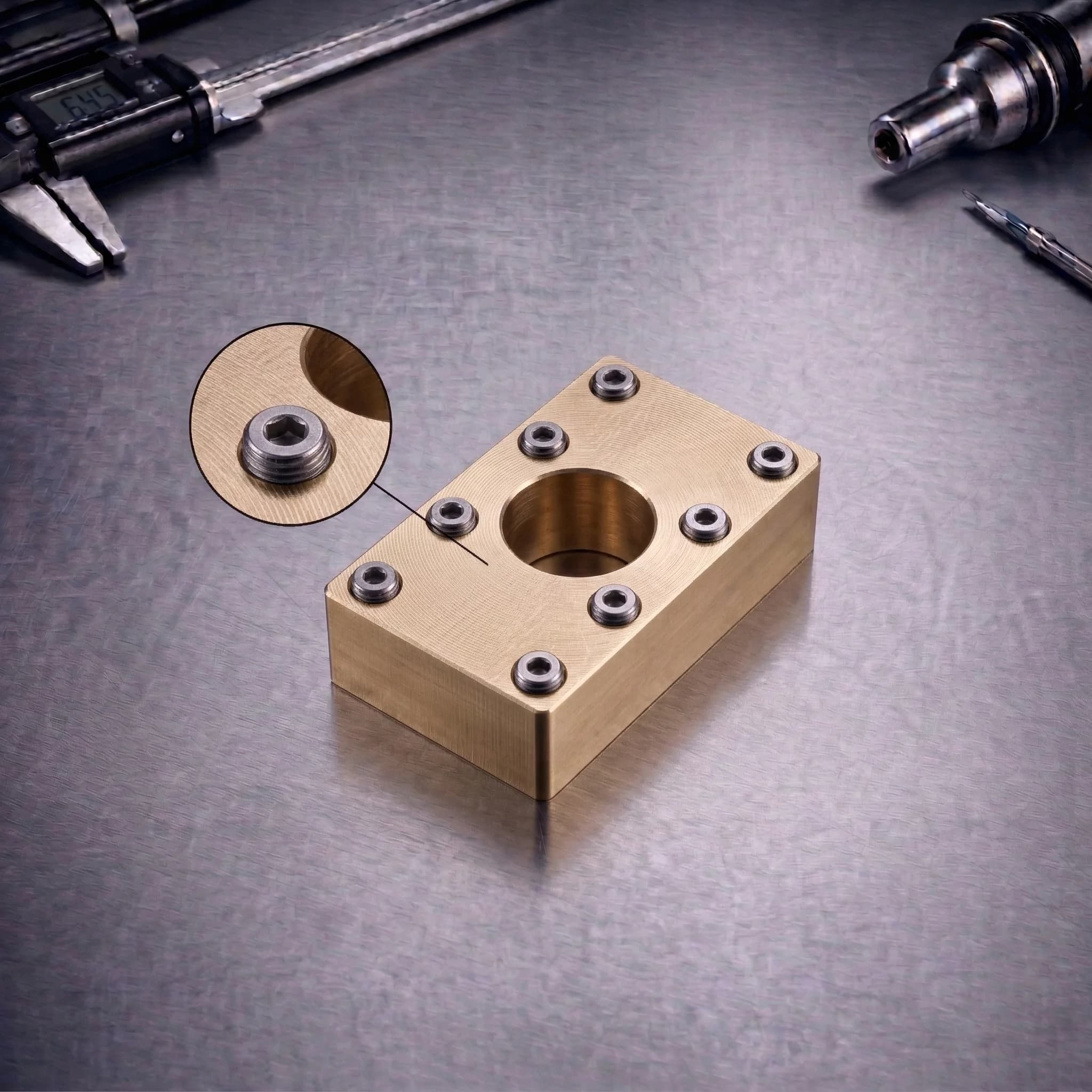
Fastener Holes & Threaded Assemblies
Tapped holes, thread-milled features, and fastener seats that require consistent fit and clamp load behavior.
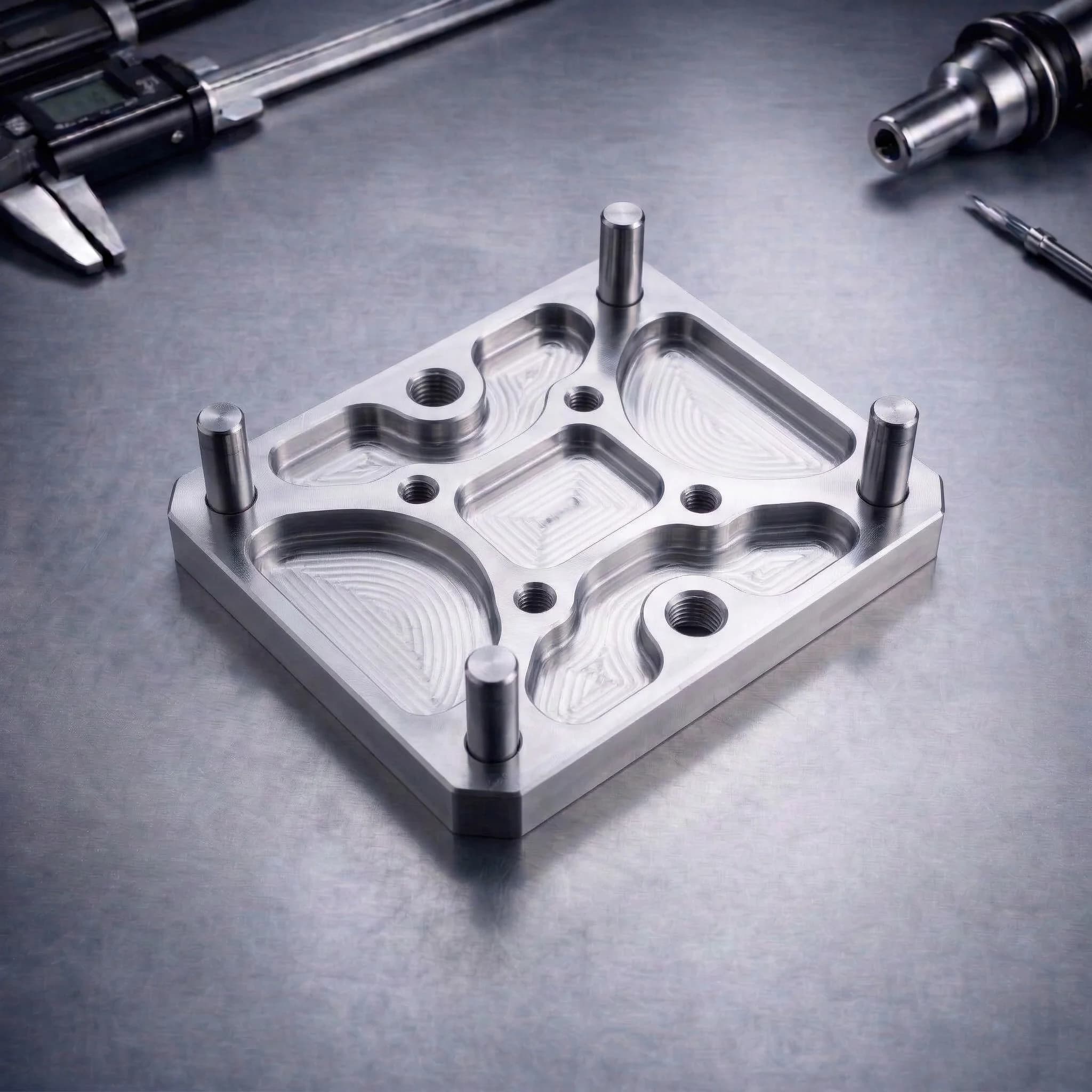
Precision Dowel & Alignment Features
Reamed holes and location patterns that drive repeatable assembly alignment and serviceability.
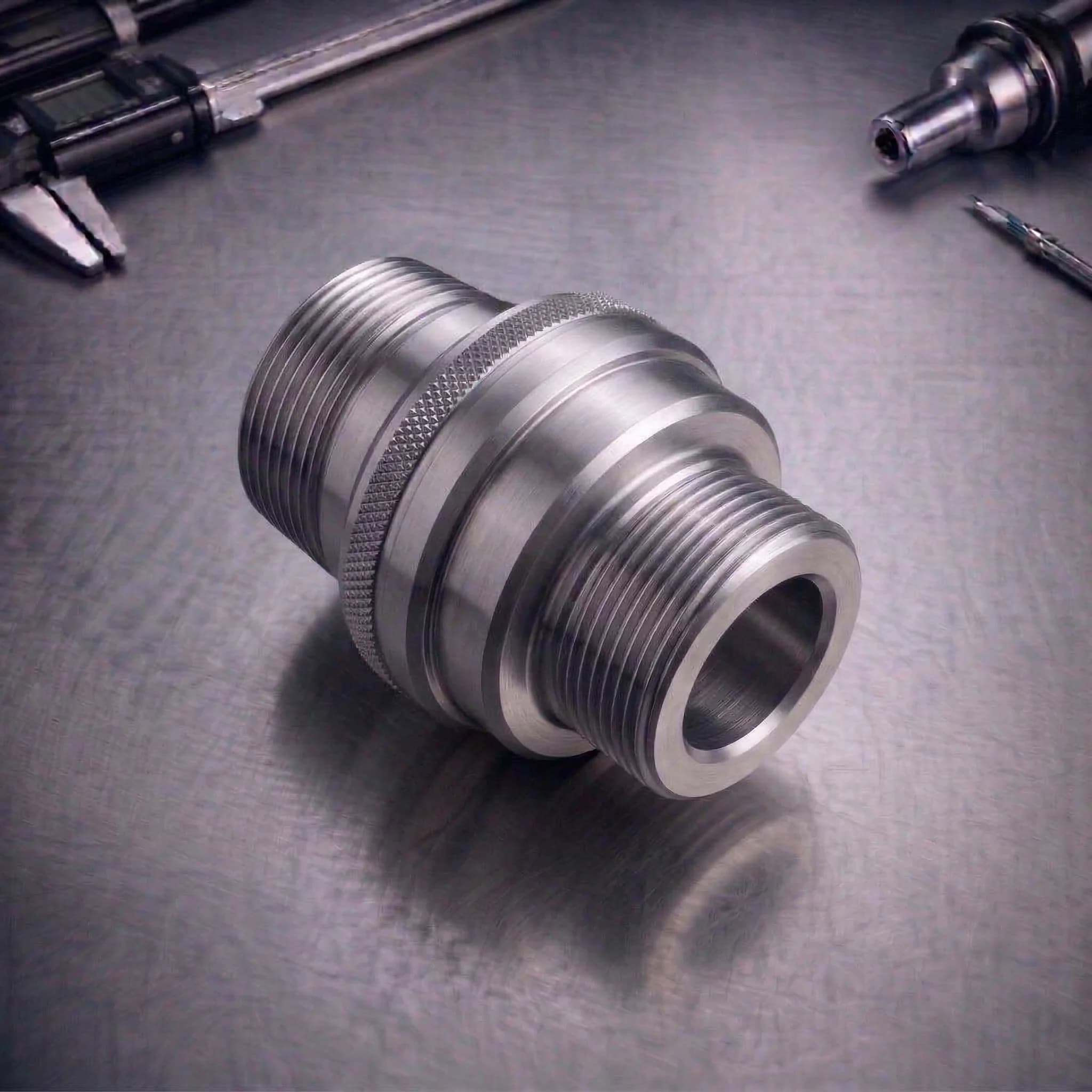
Fluid & Interface Features
Holes and threaded ports where sealing surfaces, burr control, and inspection matter for performance.
Drilling & Threading Target Industries
Industrial Equipment & Machinery
Assembly-critical holes and threads used in fixtures, mounts, housings, and machine components.

Automation & Robotics
Hole patterns and threaded interfaces for sensors, brackets, and repeatable alignment features.

Energy & Power Systems
Durable threads and verified hole patterns for mechanical assemblies and field-service components.

FAQs & Knowledge Base
Drilling & Threading FAQs

Ready to start your drilling & threading project?
Upload your CAD and drawing callouts for a fast technical review focused on hole strategy, thread method, burr control, and inspection planning.
Typical Response: Under 2 Hours